






Creating play spaces that welcome every child
Inclusive playgrounds are vital in today's urban landscape, providing access to play for children of all abilities. They address the limitations of traditional playgrounds by incorporating features that cater to diverse needs. As awareness grows, communities increasingly demand these inclusive spaces for their children's development.
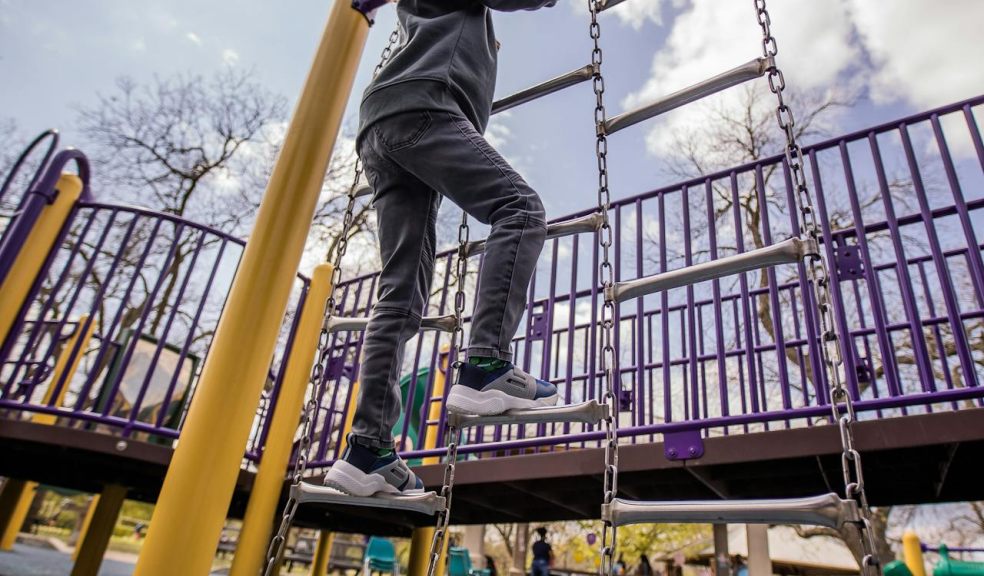
In recent years, the concept of inclusive playgrounds has gained traction among urban planners and community leaders. These playgrounds are designed to accommodate children with varying abilities, ensuring that every child can enjoy playtime without barriers. The growing demand reflects an evolving understanding of the importance of play in child development and the need for accessible environments. Incorporating elements like sensory zones and adaptive equipment, these playgrounds ensure that children with disabilities are not left out. By focusing on inclusivity, these spaces promote equality and foster a sense of belonging for all children. Children’s Climbing Frames are often included in these designs to provide diverse play opportunities.
Understanding the necessity of inclusive playgrounds
Traditional playgrounds often present significant challenges for children with disabilities. Uneven surfaces, narrow pathways, and inaccessible equipment can prevent these children from participating in play activities. This exclusion not only hinders physical activity but also impacts social interactions and cognitive development. Inclusive playgrounds aim to bridge this gap by offering a welcoming environment where every child can thrive. They provide opportunities for children to engage in activities that stimulate their senses and encourage social interaction.
By addressing the challenges faced in conventional settings, inclusive playgrounds create an environment where differences are celebrated rather than seen as obstacles. This approach helps in building empathy and understanding among all children, fostering friendships that transcend physical or cognitive limitations. As communities recognise the importance of equal play opportunities, the push for inclusive designs continues to grow. With inclusive playgrounds, you witness a shift towards more equitable community spaces.
Identifying essential features of inclusive play areas
Inclusive playgrounds boast features specifically designed to accommodate various needs. Accessible pathways ensure that wheelchairs can navigate the area with ease, while sensory play areas cater to children with autism or sensory processing disorders. Adaptive equipment such as swings with harnesses and ramps to elevated platforms enable children with mobility impairments to participate fully in playtime activities. Thoughtful design is crucial in creating a safe environment where all children feel engaged.
The emphasis on safety does not compromise fun or creativity; instead, it enhances it by encouraging diverse forms of play. Safety surfacing materials reduce injury risks while maintaining accessibility standards. Well-designed inclusive playgrounds stimulate imagination through interactive elements that engage multiple senses. By investing in such thoughtful designs, you contribute to creating vibrant spaces that invite every child to explore their potential.
Exploring benefits of inclusive play environments
Inclusive play spaces offer numerous benefits beyond physical activity. They enhance social skills by encouraging interaction among children from different backgrounds and abilities. Such interactions break down stereotypes and foster a culture of acceptance and empathy from a young age. Physical benefits include improved coordination and strength as children navigate various equipment tailored to their needs.
Cognitive development also receives a boost as kids engage in problem-solving activities within these environments. Inclusive playgrounds serve as microcosms of society where diversity is embraced, preparing children for real-world interactions. As families gather at these playgrounds, community bonds strengthen, promoting a sense of belonging among all members. Investing in these spaces represents an investment in a more inclusive society where everyone thrives.