






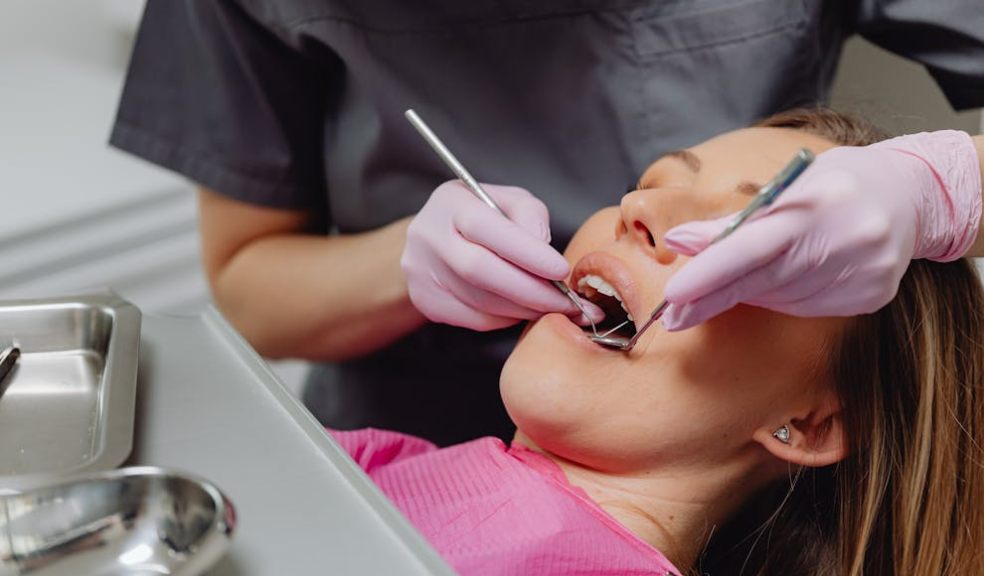
How Often Should You Really Visit the Dentist? Expert Answer
Visiting the dentist regularly is one of the simplest ways to keep your teeth and gums healthy over the long term. Routine check ups allow problems to be spotted early, often before you notice any changes yourself, making treatment easier and far less disruptive. Rather than waiting for discomfort or visible issues, regular visits help keep everything on track.
Many people still hear conflicting advice about how often they should attend, which can lead to uncertainty or delayed appointments. In reality, consistent dental visits are about prevention and oversight, with the right frequency shaped by your individual risk, daily habits and what is happening beneath the surface of your teeth and gums.
Why is there no single answer that fits everyone?
Teeth do not age at the same pace for every person. Some mouths stay stable for years with minimal intervention, while others develop problems quietly and quickly.
Genetics play a role, as does diet, stress, smoking and how consistently you clean your teeth. Research shows that around 90% of adults experience tooth decay at some point in their lives, which tells us how common hidden problems can be even among people who feel fine.
Your dentist looks for early changes that you cannot see or feel. These include microscopic enamel wear, inflammation around the gums, and small areas of decay that have not yet caused pain. Catching these early usually means simpler treatment and less disruption later.
What does a routine dental visit actually prevent?
A check up is not just about spotting cavities. It is also about preventing gum disease, monitoring bite changes and screening for oral conditions that often show no early symptoms. Gum disease is a good example, as it can progress quietly and is linked to wider health concerns. Studies suggest that nearly 50% of adults show some signs of gum disease, often without realising it.
Regular appointments give your dentist a timeline of your oral health. Changes are easier to spot when there is a clear history, and advice can be adjusted as your circumstances change.
Does lifestyle affect how often you should go?
Yes, someone who drinks sugary drinks frequently, snacks often or smokes may need more frequent reviews. The same applies to people who grind their teeth, are undergoing orthodontic treatment or have existing restorations that need monitoring.
On the other hand, a person with excellent home care and a low risk profile may be advised to attend less often without compromising their health. Your dentist should explain why they recommend a particular interval. It is not about filling appointment books, but about managing risk sensibly.
What if you feel fine and have no pain?
Pain is a poor indicator of dental health. By the time a tooth hurts, the problem is often well advanced.
Many serious dental issues are painless in their early stages, which is why waiting for discomfort can lead to more complex treatment later. Feeling fine is reassuring, but it should not replace professional assessment.
Does location or access change anything?
Whether you are visiting a dentist in Southfields in south London, areas of west London such as Hammersmith or Chiswick, central London locations like Soho or Bloomsbury, or travelling beyond the capital, the principles remain the same.
What matters is continuity of care and seeing a professional who understands your history. Convenience can make it easier to attend regularly, which in turn makes prevention more effective.
How often do dentists usually recommend?
After an examination, your dentist will suggest a recall period based on what they see and your overall risk. This is reviewed over time and can change. Someone who has stabilised their oral health may move to less frequent visits, while someone managing active issues may be seen more often until things settle.
The key point is that this recommendation is personalised. If you are unsure why a certain interval has been suggested, ask. A good dentist will be happy to explain their reasoning clearly.
What is the smartest approach to dental visits?
Think of dental appointments as maintenance rather than repairs. Regular reviews are about staying ahead of problems, not waiting for them to appear. When visits are timed to your actual needs, they tend to be quicker, less stressful and more predictable.
So rather than asking how often you should visit the dentist in general, the better question is how often your mouth needs professional attention right now. That answer can only come from an honest conversation and a thorough examination, which makes your next visit a sensible place to start.