






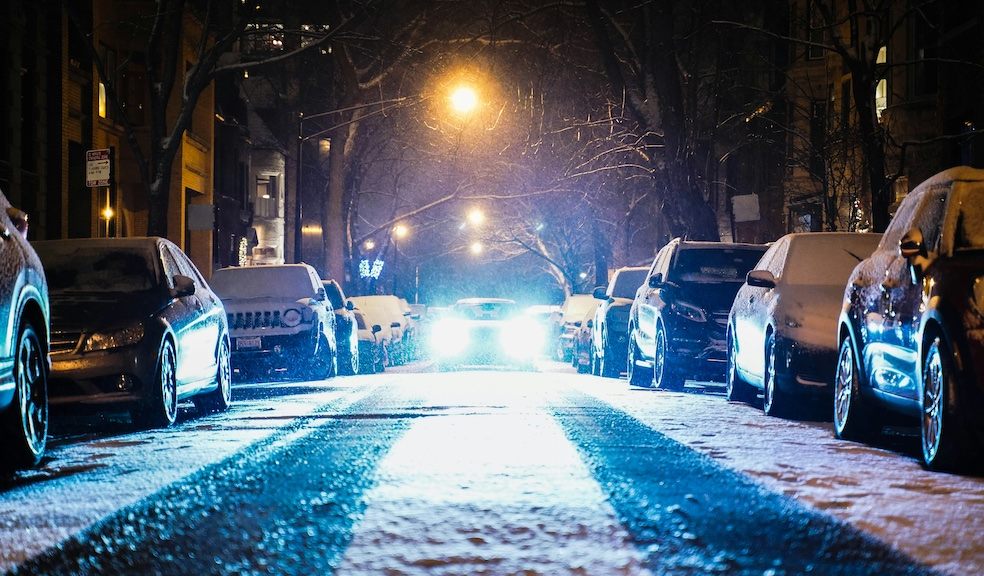
Drivers urged to follow 10 safety tips as expert warns icy roads are winter’s biggest collision risk
Drivers are being urged to take extra care this winter as experts warn that icy roads remain the UK’s biggest cause of winter-related road collisions, despite increased awareness and advances in vehicle safety.
Ahead of expected icy weather this week, new analysis of Department for Transport data by Fletchers Solicitors reveals that ice-related collisions have been linked to more than 77,000 casualties over the past decade. More than 12,250 people were seriously injured and over 650 were killed. On average, icy conditions contribute to around 7,700 casualties every year, making them the most significant winter driving hazard on Britain’s roads.
Mary Lomas, Associate Solicitor & Serious Injury Solicitor at Fletchers Solicitors said,
“Icy road conditions remain one of the most dangerous and underestimated hazards on UK roads. We regularly see serious and life-changing injuries arising from collisions where drivers have little warning and even less time to react. Ice doesn’t need heavy snowfall to be dangerous; a thin, barely visible layer is enough to cause catastrophic loss of control.
“While not every collision is preventable, winter road safety depends on preparation, appropriate road maintenance, and shared responsibility between road users and those responsible for keeping roads safe.”
Alongside icy roads, the analysis highlights other seasonal risks too. Low winter sun, which can significantly impair driver vision during morning and evening commutes, has been linked to almost 50,000 casualties over the past decade, including more than 9,000 people killed or seriously injured. When low winter sun is combined with wet roads and freezing temperatures, experts say this creates a “perfect storm” for accidents.
Concern is also growing among cyclists and motorcyclists. Google search data shows interest in “bike accident claims” has more than doubled over the past year, suggesting rising awareness of the dangers faced by vulnerable road users in winter conditions.
Fletchers Solicitors’ 10 road safety tips to reduce the risk of fatal accidents this Winter:
Expert Mary Lomas said,
-
Slow down and leave more space than you think you need: On icy or untreated roads, stopping distances can double (or worse). If you’re close enough to read the bumper sticker ahead, you’re probably too close.
-
Be gentle with the controls: Sudden braking, sharp turns or quick acceleration can turn a small skid into a full loss of control. Smooth, steady movements give your tyres a better chance to grip road surfaces.
-
Give yourself extra time and don't rush: Most winter collisions happen when people are late and stressed. Setting off earlier removes the temptation to take risks when conditions are against you.
-
Check your car before setting off: Tyres with good tread, responsive brakes and working lights aren’t optional in winter, they’re your first line of defence when grip and visibility disappear.
-
Watch out for sneaky icy spots: Rural roads, side streets, bridges and shaded areas will often freeze first and thaw last. Just because the main road looks clear doesn’t mean the next bend will be. Approach with caution and don't make assumptions.
-
Make yourself impossible to miss: High-visibility or reflective clothing for cyclists and motorcyclists isn’t just for night-time riding. In grey winter daylight, it can be the difference between being seen or not, meaning that what you wear can be life-saving.
-
Keep your lights clean and correctly aligned: Road grime builds up fast in winter and can seriously reduce how visible you are to other drivers.
-
Stay out of blind spots, especially at junctions: Drivers may already be struggling with glare, fogged windscreens or poor light, so whether in a car, motorbike or bicycle, don’t assume other drivers have seen you.
-
Expect visibility to be worse than usual: Low winter sun at dawn and dusk can be blinding. Drive as if other road users can’t see clearly, as often they can’t - take an extra second to check all is clear.
-
Protect your eyes from glare: Sunglasses or anti-glare lenses aren’t just for summer. Reducing glare helps you spot hazards earlier and react more calmly.
With further cold weather expected, experts warn that caution and preparation remain essential to staying safe on winter roads. For further guidance on road safety during the winter months, visit the Fletchers Solicitors website.