






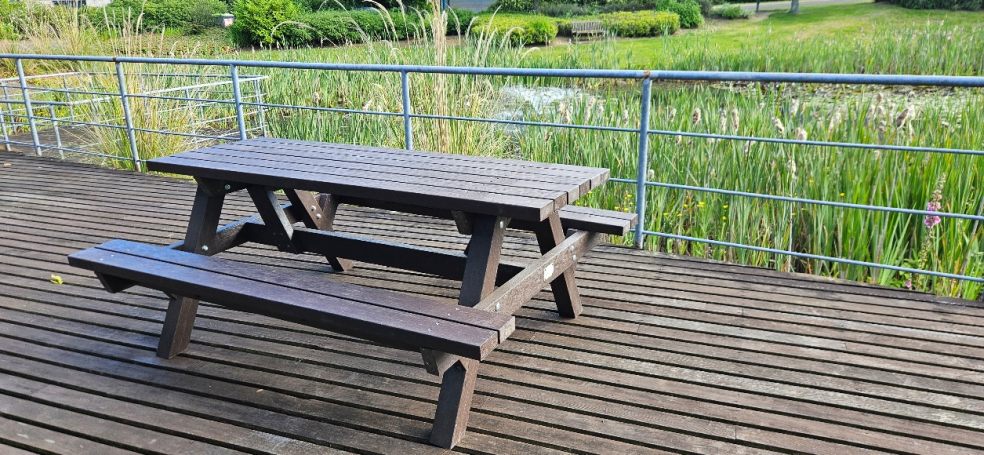
Get Your Garden Ready for Spring and Choose Furniture That Will Last
There’s a particular moment, usually sometime in March, when the garden starts to feel usable again. The light shifts, the soil begins to dry out a little, and suddenly you can imagine sitting outside without a coat. That’s often when people start thinking about furniture. What needs replacing, what survived the winter, and what might finally make the space feel finished. It’s tempting to rush out and buy whatever looks good in the showroom. But spring furniture choices tend to stay with us for years, so it’s worth pausing for a moment before deciding.
Thinking Beyond One Summer
For many households, the garden becomes the centre of things once the weather improves. Children spill outside after school. Friends come round for lunch. Someone inevitably suggests eating outdoors at the first hint of sunshine. A sturdy bench or a well-placed picnic table can quickly become the most used item in the garden.
That’s why durability matters more than we sometimes admit. British weather has a habit of testing outdoor furniture. A warm April afternoon can be followed by a week of rain. Timber swells and shrinks. Screws loosen. Surfaces fade where the sun hits them most. Wood remains popular, and understandably so. It feels traditional and warm, especially in older gardens. But even treated timber needs attention. Sanding, oiling, repainting – it all takes time. And if you have children, you’ll know how quickly softwood can pick up dents, scratches and the odd enthusiastic carving with a stick.
Metal has its strengths too. It can look elegant and suits more contemporary spaces. Still, it has its own quirks. It heats up quickly in direct sun and can feel unwelcomingly cold on cooler days. If the protective finish chips, rust isn’t far behind.
Recycled Plastic – A Practical Alternative
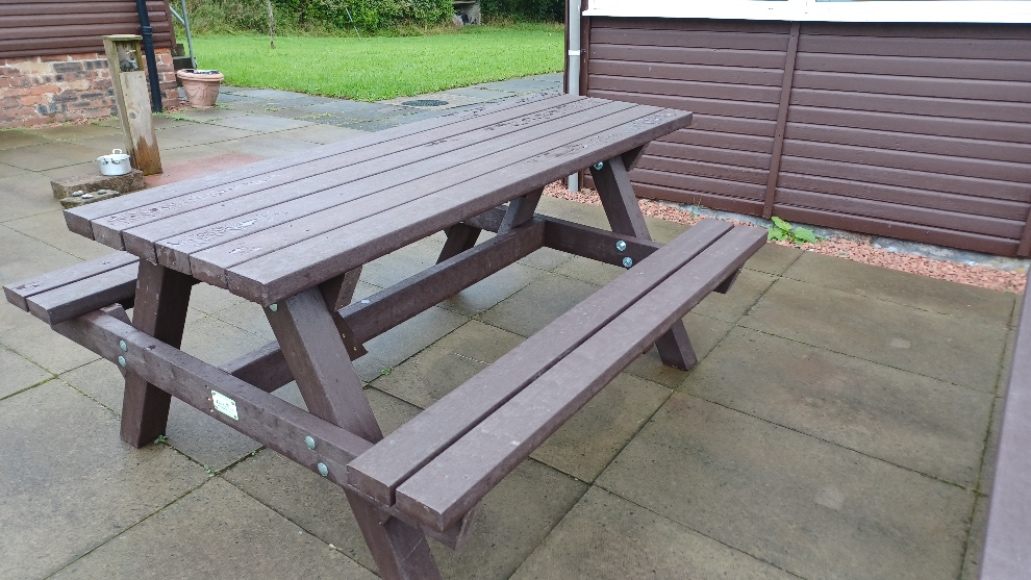
In recent years, recycled plastic furniture has become a far more common sight in gardens, schools and public parks. At first glance, many pieces resemble painted wood. The colours are generally muted – greens, browns, soft greys – and the finish often includes a subtle grain effect. What sets it apart is how it behaves over time. Recycled plastic doesn’t rot or splinter. It won’t absorb moisture after a week of rain, and it doesn’t need repainting every spring. For families, that can be a real advantage. Children climbing over benches or dragging chairs across paving are unlikely to leave much of a mark. The material is solid, and minor scuffs don’t show up in the same way they might on varnished timber.
Cleaning tends to be straightforward as well. A bucket of warm water or a quick rinse with a hose is usually enough. There’s no need for preservatives or protective coatings, which also means fewer chemicals in the garden environment. Furniture made from recycled plastic also gives waste material a second life and reduces reliance on freshly cut timber. It’s not about being perfect, but about choosing something that will last rather than replacing it every few seasons.
Choosing What Suits Your Space
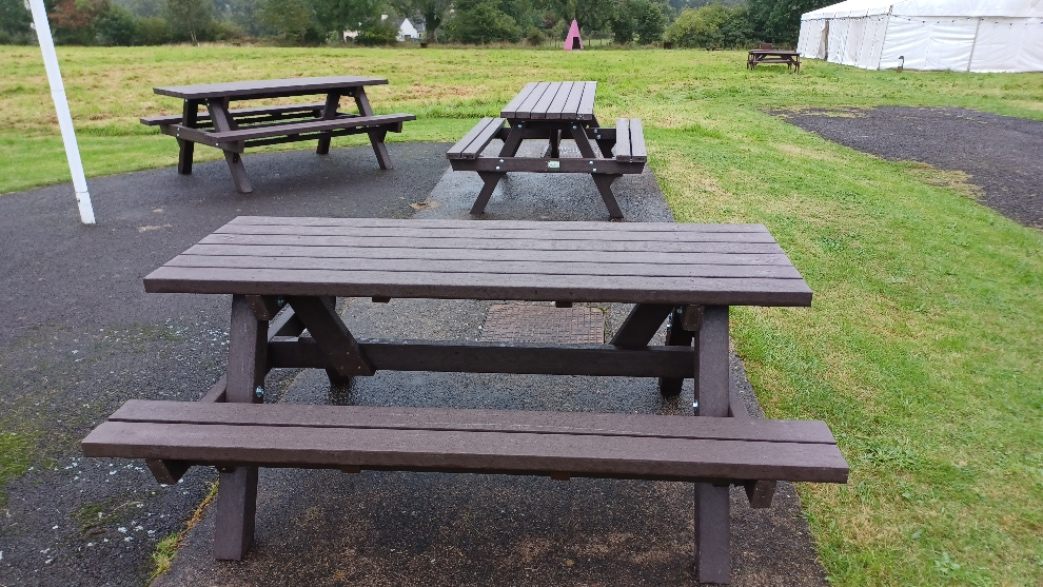
Spring has a way of encouraging optimism. We picture long evenings outdoors and relaxed weekend lunches. When choosing garden furniture, it helps to think about how the space is actually used. A quiet corner for reading calls for something different from a patio that regularly hosts family gatherings.
Whatever the style, it makes sense to choose pieces that can stay outside without constant worry. British weather rarely offers guarantees. A sudden shower shouldn’t mean rushing out to cover everything.
In the end, the best garden furniture is the kind you don’t have to think about too much once it’s in place. It simply does its job, season after season, while you get on with enjoying the lighter evenings and the return of spring.
Image source: LL Plastic