




What is Airflow Polishing?
When you think of a professional dental cleaning, the first thing that usually comes to mind is the traditional "scale and polish." For decades, this involved manual scraping and a rotating gritty paste to remove plaque and tartar. While effective, it can be time-consuming and – for those with sensitive teeth – somewhat uncomfortable.
Enter Airflow Polishing at Arc Dental Surgery Blackpool. This revolutionary preventative treatment is changing the way we approach dental hygiene. It offers a faster, deeper, and much more comfortable way to clean teeth and gums. If you are looking for a way to remove stubborn stains from coffee, tea, or smoking while improving your oral health, this might be the solution you’ve been waiting for.
In this comprehensive guide, we will explore exactly what Airflow Polishing is, how it works, and why it has become the gold standard for dental hygiene.
Airflow Polishing is an advanced hygiene treatment that uses a controlled stream of air, warmed water, and fine powder particles (usually sodium bicarbonate or erythritol) to clean the surfaces of the teeth and deep into the periodontal pockets.
Unlike traditional methods that use mechanical friction (scraping), Airflow uses kinetic energy. This allows the practitioner to remove "biofilm" – the sticky layer of bacteria that leads to decay and gum disease – without even touching the tooth surface with a metal instrument. It is essentially a "power wash" for your smile.
How the Technology Works
The device features a specially designed nozzle that spray-cleans the teeth. Because the particles are so fine, they can reach into the nooks and crannies that a toothbrush or a traditional polishing cup simply cannot access. This includes the areas between teeth and just under the gumline, where bacteria often hide and thrive.
The Core Benefits of Airflow Polishing
Why are so many patients and clinicians switching to this method? The benefits extend far beyond just aesthetics.
1. Superior Stain Removal
We live in a world of stain-causing habits. Whether it’s your morning espresso, a glass of red wine in the evening, or a history of tobacco use, these pigments can bond to the protein pellicle on your teeth. Airflow Polishing is incredibly effective at lifting these extrinsic stains, often restoring a tooth’s natural whiteness in a single session without the need for chemical bleaching.
2. Enhanced Comfort and Reduced Sensitivity
Traditional scaling can be uncomfortable for patients with "dentinal hypersensitivity" (sensitive teeth). The scraping sensation and the vibration of ultrasonic tools can be off-putting. Airflow Polishing is non-invasive and painless. The water is often warmed to a comfortable temperature, and because there is no direct pressure or heat generated by friction, even the most nervous patients find it relaxing.
3. Effective Biofilm Management
Oral biofilm is a complex community of bacteria. If not removed, it hardens into calculus (tartar). Airflow is statistically more effective at removing 100% of biofilm compared to traditional hand tools. clearing this bacteria from the gums, it helps prevent gingivitis and more serious periodontal diseases.
4. Ideal for Braces and Dental Implants
If you wear fixed orthodontic braces, you know how difficult it is to clean around the brackets and wires. Airflow is the perfect solution, as the spray easily navigates around the hardware to keep the enamel healthy during treatment. Similarly, it is the safest way to clean dental implants, as it won't scratch the delicate surface of the titanium or ceramic.
Airflow vs. Traditional Scale and Polish: What’s the Difference?
To understand the value of Airflow, it helps to compare it to the traditional method:
- The Traditional Method: Involves an ultrasonic scaler to vibrate tartar loose, hand instruments for scraping, and a rubber cup with prophy paste for polishing. It is effective but can feel "gritty" and sometimes causes minor gum bleeding.
- The Airflow Method: Uses a spray of air, water, and powder. It is much faster (often taking half the time of a traditional polish) and reaches 5mm to 10mm into the gum pockets, providing a more "medical" level of clean rather than just a cosmetic one.
Most modern dental practices now combine the two: using the ultrasonic scaler to remove heavy tartar (calculus) and the Airflow to finish the job by removing the fine biofilm and stains.
The Procedure: What to Expect During Your Appointment
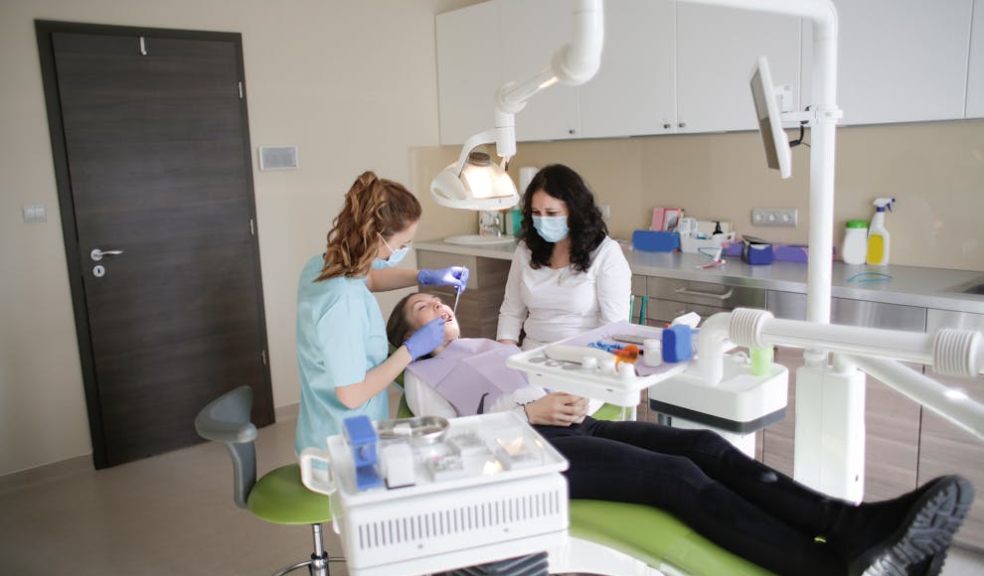
If you’ve booked an appointment for this treatment, here is a step-by-step look at what happens in the chair:
- Assessment: The hygienist will check your gums and teeth to identify areas of heavy staining or plaque buildup.
- Disclosing (Optional but Recommended): Sometimes, a "disclosing solution" is applied to the teeth. This is a harmless dye that turns plaque a bright colour (usually purple or pink), showing exactly where the biofilm is hiding.
- The Polishing: The hygienist moves the Airflow nozzle around your mouth. You will feel a cool or warm spray of water and a slightly sweet taste from the powder.
- Rinse and Review: Once the staining is removed, you’ll rinse your mouth. The result is an instantly smoother, brighter feeling.
Who is the Ideal Candidate?
Almost everyone can benefit from Airflow Polishing, but it is particularly beneficial for:
- Smokers: To remove stubborn nicotine stains.
- Heavy Tea/Coffee Drinkers: To lift dark pigments.
- Patients with Orthodontics: To maintain hygiene around braces.
- Patients with Sensitive Teeth: Who want a pain-free cleaning experience.
- Those Planning Teeth Whitening: Using Airflow before a whitening treatment ensures the whitening gel can penetrate the enamel evenly, leading to better results.
Are there any contraindications?
While safe for most, patients with severe respiratory issues (like advanced asthma or COPD) should consult their dentist first, as the fine powder mist could potentially cause irritation. Also, those on extremely restricted salt-free diets may need an alternative to the standard sodium bicarbonate powder.
Frequently Asked Questions
Does Airflow Polishing whiten teeth?
It is important to distinguish between whitening and brightening. Airflow removes surface stains to reveal the natural shade of your teeth. It does not chemically change the colour of the enamel as professional bleaching does. However, because it removes so much surface discolouration, most patients find their smile looks several shades lighter immediately after.
Is it safe for the enamel?
Yes. The powders used in Airflow (especially erythritol) are much less abrasive than the pastes used in traditional polishing. It is safe for daily use if needed and will not thin or damage your tooth enamel.
How often should I get it done?
For most patients, a professional hygiene appointment every six months is sufficient. However, if you are prone to heavy staining or are undergoing periodontal treatment, your hygienist may recommend it every three to four months.
Does it hurt?
Not at all. In fact, many patients describe the sensation as a "spa treatment for the mouth." The absence of scraping and the use of warmed water make it significantly more pleasant than a standard cleaning.
Why Oral Hygiene Matters More Than You Think
Investing in treatments like Airflow Polishing isn't just about having a "Hollywood smile." Scientific research has increasingly linked oral health to systemic health. Chronic gum disease (periodontitis) is associated with an increased risk of:
- Heart Disease: Bacteria from the mouth can enter the bloodstream and contribute to arterial plaque.
- Diabetes: Gum disease can make it harder for the body to control blood sugar levels.
- Pregnancy Complications: Poor oral health has been linked to low birth weights.
By using advanced technology to manage the bacteria in your mouth, you are making a proactive choice for your entire body’s well-being.
Maintaining Your Results at Home
After your Airflow treatment, your teeth will feel incredibly smooth. This smoothness actually makes it harder for new plaque to stick to the surface. To keep that feeling for as long as possible, follow these tips:
- Wait Before Staining: Try to avoid highly pigmented food and drink (curry, red wine, coffee) for at least 2 to 3 hours after treatment, as the "protein pellicle" that protects the teeth needs a little time to reform.
- Use an Electric Toothbrush: Modern electric toothbrushes are much more efficient at breaking up biofilm than manual ones.
- Clean Between the Teeth: Whether you use floss or interdental brushes, cleaning the gaps is essential. Airflow cleans these areas professionally, but you must maintain them daily.
- Stay Hydrated: Drinking water after meals helps wash away food particles and neutralises acids that lead to staining.
Conclusion: A Modern Solution for a Brighter Future
Airflow Polishing represents the future of preventative dentistry. It combines efficiency, comfort, and superior clinical results into a single treatment. Whether you are looking to freshen up your look for a special event, manage a chronic gum condition, or simply want the most comfortable dental experience possible, Airflow is an investment worth making.
The days of dreading the dental hygienist are over. With this "air-water" technology, you can achieve a sparkling, healthy smile without the discomfort of the past.
Ready to experience a deeper level of clean? Consult with a dental professional today to see how Airflow Polishing can be integrated into your oral health routine. Your teeth – and your confidence – will thank you.