






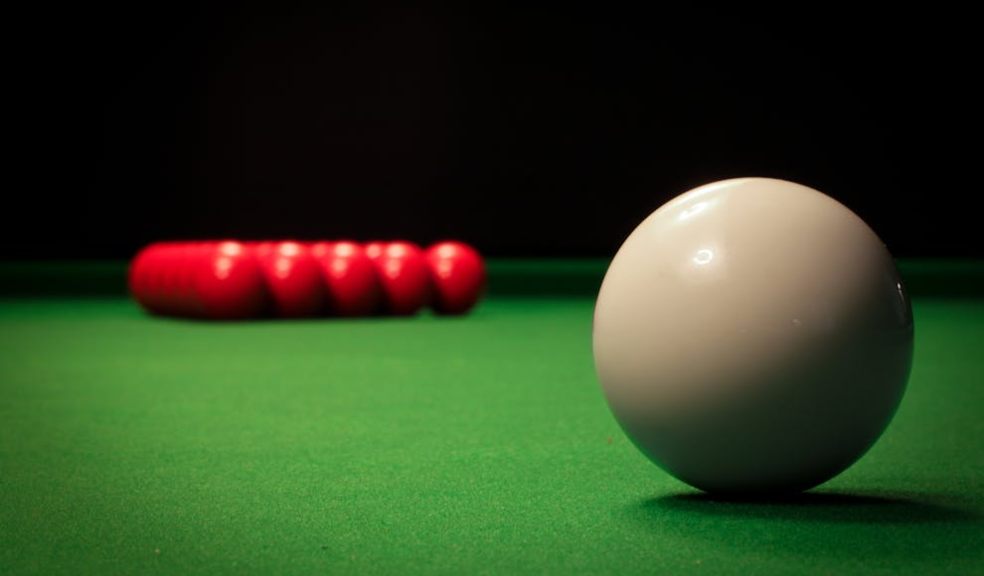
Cue Ball Control Secrets: The key Skill Differentiating Recreational Players from Experts
To be honest, we've all complained about the snooker table: "It's the tablecloth." "Those cushions are so lifeless." "The balls bounce too much.
Maybe so, but usually, the real difference between recreational players and those who quietly master the table lies in one thing: cue ball control. Not potting, not power, not fancy techniques. It's control.
If you've ever beautifully cleared the table with three balls, only to end up with a snooker behind the black, you've definitely experienced that frustration. Potting is satisfying, but controlling the landing point is the key to victory. Mastering this is the essence of the sport.
The Truth Most Beginners Miss
Beginner players focus almost entirely on the object ball. They carefully aim, strike, and then pray for luck.
Experienced players, on the other hand, think two shots ahead: Where will the cue ball stop? Will it hit one or two cushions? Do I need to stun, screw, or a touch of side?
This forward-thinking approach is the key difference between average players and true masters who improve every week. And the key is this: without reliable equipment, mastering good cue ball control is virtually impossible.
Why Equipment Affects Control Far More Than You Think
Cue ball control relies on clean contact and consistent feedback. If you’re using warped house cues or mismatched cue sticks pool setups, you’re fighting against inconsistency. A poorly shaped tip won’t grip the cue ball properly. A badly balanced shaft throws off your stroke. Even slight vibrations affect precision.
A well-crafted 3/4 jointed snooker cue with 9.5mm tip for precise cue ball control gives you something invaluable: predictability. When you strike low for backspin, it responds cleanly. When you feather side, it grips instead of sliding.
This consistency builds trust. And trust leads to better decision-making. Many serious snooker players upgrade their cues not for flashy moves, but to maintain reliable control under pressure.
Three Core Cue Ball Techniques Every Player Should Master
You don't need to memorize physics formulas, but you do need to understand the basics.
1. The Stun Shot
Hit the centre of the cue ball with a firm, level stroke. The cue ball stops dead after contact. This shot is gold in both snooker and pool. It keeps things tidy and predictable especially useful when navigating tight clusters. A balanced pool cue makes stun shots easier because the weight distribution supports a smooth, straight delivery.
2. The Screw (Backspin)
Strike the bottom of the cue ball to generate backspin, causing the ball to spin towards you after being pocketed. This is where the value of a cue lies. A high-quality cue tip can better hold chalk, reducing the risk of errors. With a cheap cue, hitting backspin often feels like a gamble.
If you’re serious about developing controlled screw shots, upgrading your pool cues or investing in dedicated snooker equipment can transform your confidence.
3. Controlled Sidespin
Sidepin refers to adding angle after the shot, but it's also one of the most easily misunderstood techniques. Overusing sidespin reduces accuracy. Using it correctly allows you to easily open up the table. A solid ash shaft, like a high-end snooker cue, provides clearer touch feedback. You can truly feel the shot, rather than guessing.
Does a Better Cue Really Make That Much Difference?
In short? Yes. Not because it magically improves your aim, but because it removes uncertainty. When you trust your equipment, you can focus more intently on the shot. Your acceleration will be smoother. Your follow-up movements will be more precise. This alone significantly improves shot consistency.
Players researching upgrades often begin by visiting the Mark Richard homepage to compare cue specifications, tip sizes, and shaft types before making a decision. It’s worth taking time to learn more about how different builds affect performance.
Small Habits That Improve Control Instantly
Even without upgrading, you can sharpen ball control today:
- Chalk before every shot.
- Keep your bridge hand steady.
- Deliver the cue straight don’t jab.
- Stay down after contact.
However, if you practice frequently but still feel inconsistent, your pool cues might be limiting your progress. Perhaps it's time to try some new snooker cues, explore better options, and choose billiard cues that truly suit your style.
The Bigger Picture
Cue ball control isn't flashy, nor will it earn you applause like a beautiful long putt.
But it can win games, boost confidence, and transform chaotic situations into a controlled pattern. When your cue feels like a natural extension of your arm, rather than a clumsy tool, everything becomes much smoother.
Pool and snooker are sports where every second counts. Master the cue ball, and you master the table. Everything else? They're just minor distractions.