






How to Manage Unexpected Expenses
Whether a boiler breaks down in mid-winter or the car fails its MOT, these sudden costs rarely arrive at a convenient moment. While you cannot predict every crisis, you can certainly prepare for the financial impact.
Developing a resilient strategy ensures that a temporary setback does not evolve into a long-term debt spiral.
Why Unexpected Expenses Can Disrupt Your Budget
Most monthly budgets rely on a delicate balance between fixed income and known outgoings. When a large, unforeseen bill arrives, it creates an immediate deficit that forces you to pull funds from other essential categories.
This displacement often triggers a domino effect, leading to missed utility payments or reliance on high-interest credit cards to cover the gap.
Understanding this vulnerability helps you recognise that a budget must be viewed as a flexible estimate rather than a rigid set of rules.
Building an Emergency Fund for Peace of Mind
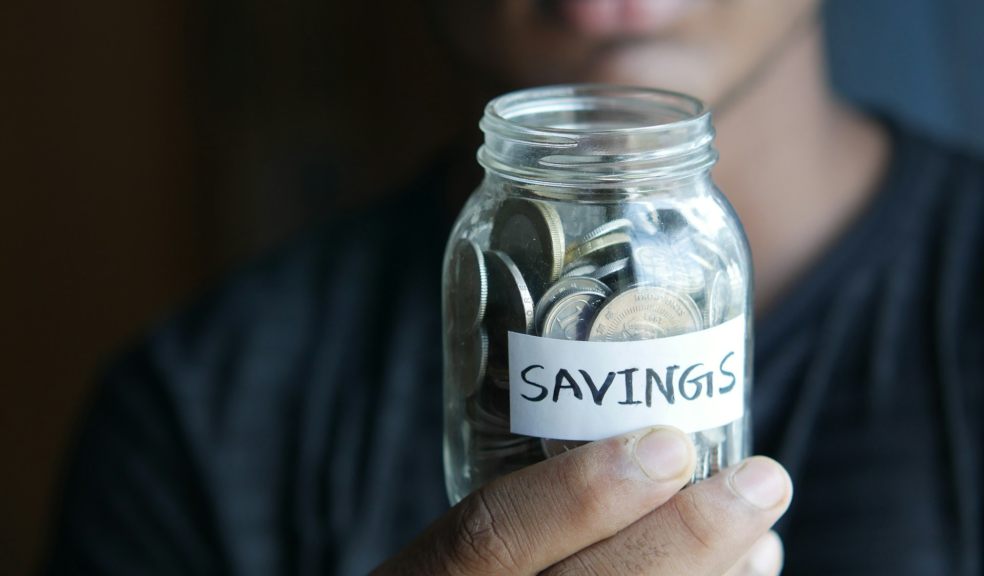
A dedicated cash reserve acts as a vital shock absorber for your finances. You should aim to set aside a small, manageable amount via standing order immediately after payday to ensure the fund grows consistently.
Experts generally suggest accumulating three months of essential living expenses, but even a few hundred pounds provides a significant safety net.
Keeping these funds in an instant-access savings account allows you to react instantly when an emergency strikes without waiting for lengthy transfer periods.
Reviewing Bills and Cutting Discretionary Spending
Examine your bank statements to identify unused subscriptions, such as gym memberships you no longer use or streaming services that overlap in content. Negotiating with service providers for better rates on broadband deals or insurance can free up significant monthly capital.
During a crisis, you might temporarily pause non-essential habits, such as dining out or premium coffee purchases, to redirect that liquidity toward the urgent debt.
Cost-Saving Alternatives to Reduce Immediate Pressure
Before committing to a large payment, investigate whether you can lower the cost through alternative means.
You might source refurbished parts for a vehicle repair or use community tool libraries instead of purchasing expensive equipment for a home fix. Exploring these secondary markets reduces the total amount of capital leaving your pocket during a lean month.
Responsible Short-Term Solutions
Sometimes, the urgency of a situation outweighs your available liquid cash, especially if a repair is essential for your livelihood.
In these specific instances, some people choose to take out quick loans to bridge the gap until the next pay packet arrives. Always compare the total cost of credit and the Annual Percentage Rate (APR) to ensure you understand the full repayment burden. Selecting a reputable lender with transparent terms prevents a short-term fix from becoming a permanent financial weight.
Planning Ahead to Avoid Future Financial Stress
Resilience stems from a proactive mindset rather than reactive panic. You can implement a strategy where you save specifically for known but irregular costs, such as annual car maintenance or dental check-ups.
Maintaining a detailed inventory of your home appliances and their ages also allows you to anticipate when replacements might become necessary.