






How Modern Cars Are Cutting Fuel Bills Without Changing Driving Habits
Fuel prices continue to fluctuate across the UK, yet many drivers are reducing their petrol bills without changing their routines. Modern hybrid cars improve fuel efficiency by combining a petrol engine with electric systems that recover energy and lower overall fuel consumption.
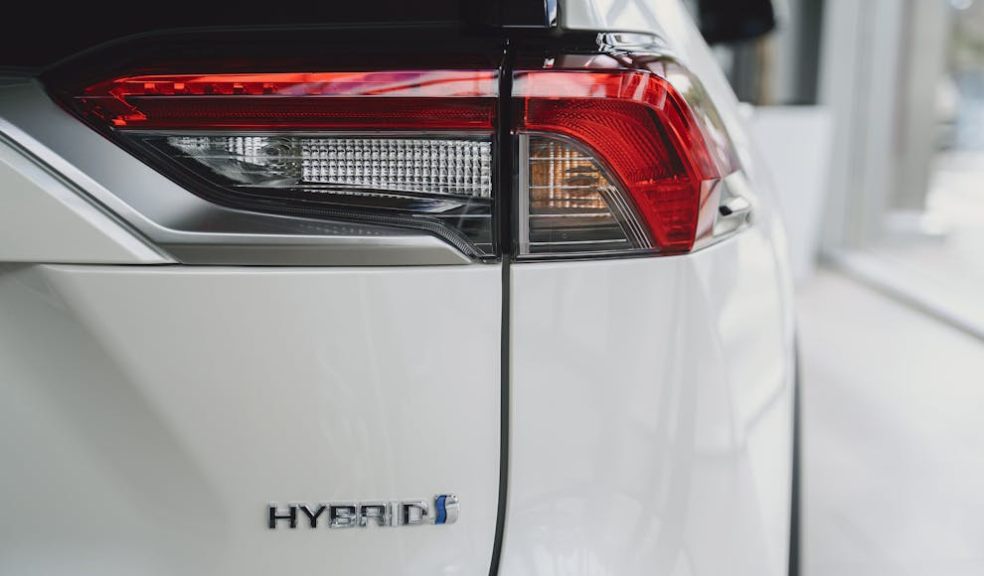
Hybrid cars pair a petrol engine with an electric motor and battery. When braking, the system captures energy, stores it and reuses it to support acceleration. In city traffic, some models can travel short distances on electric power alone, cutting petrol use without requiring changes in driving habits.
The Evolution of Fuel-Efficient Technology in Modern Vehicles
Vehicle efficiency has progressed significantly over the past two decades. Earlier petrol and diesel engines lost a substantial proportion of energy through heat and mechanical friction. Today’s vehicles rely on advanced engineering and electronic control systems to extract more usable energy from each litre of fuel.
Hybrid technology represents a clear development in this direction. By pairing combustion engines with electric motors, manufacturers reduce fuel consumption while maintaining familiar performance. Drivers who want a clearer explanation of how hybrid car works can review detailed technical information on MG electric and hybrid cars, where the brand outlines how its hybrid systems operate in everyday driving.
Modern engines also adjust continuously to road and traffic conditions. Fuel injection and ignition timing are managed in real time to maintain efficiency with minimal input from the driver.
Hybrid Systems: The Silent Fuel-Savers
The hybrid powertrain improves fuel economy by combining a petrol engine, electric motor and battery. Efficiency gains come from how these components operate together, particularly through regenerative braking, which converts braking energy into electricity for later use and reduces reliance on the engine during acceleration.
When moving away from a standstill, the electric motor provides immediate torque, lowering the need for high engine revs. At steady speeds, the system selects the most efficient power source based on load and conditions. By keeping the petrol engine within a narrower operating range, hybrid cars reduce unnecessary fuel burn and deliver consistent savings in mixed driving.
Types of Hybrid Systems and Their Efficiency Benefits
Hybrid cars vary in configuration, which affects their fuel-saving potential. Understanding these distinctions helps explain performance differences between models and the wider shift in consumer demand reflected in recent UK plug-in hybrid registrations.
Full hybrids can operate on electric power alone at low speeds. In slow-moving traffic, the petrol engine may switch off entirely for short periods. This feature delivers its strongest benefit in urban environments, where braking and low speeds create more opportunities for electric-only movement.
Mild hybrids use smaller batteries and electric motors and cannot run on electricity alone. Instead, the system supports the petrol engine during acceleration and restart phases, improving stop-start efficiency and reducing overall fuel consumption in daily driving.
Plug-in Hybrid Capabilities
Plug-in hybrid cars combine extended electric driving with a petrol engine for additional range. They feature larger batteries that recharge from mains electricity at home or at public charging points, reflecting the continued development of the UK EV charging network expansion. For shorter journeys within their electric range, drivers may complete trips without using petrol, particularly in urban or suburban settings.
For longer distances, the petrol engine activates automatically when the battery charge drops or more power is required. Regular charging increases fuel savings, particularly when most journeys stay within the electric range. The system switches between electric and petrol power without driver intervention, maintaining a consistent driving experience.
Self-charging Systems
Self-charging hybrid cars do not require external charging. They generate electricity through regenerative braking and controlled engine operation. The system captures energy during deceleration and stores it in the battery for later use, maintaining a stable charge level during normal driving. Their growing presence in the market reflects the broader trajectory of the UK automotive industry recovery.
This arrangement simplifies ownership for drivers who prefer not to rely on charging infrastructure. Drivers refuel at conventional petrol stations while still benefiting from electric assistance during acceleration and low-speed movement. The system operates continuously in the background, balancing engine and electric power to improve efficiency without additional planning or changes to daily routines.
Smart Engine Management Systems Reducing Consumption
Hybrid technology works alongside intelligent engine management systems that monitor throttle input, engine load and road conditions in real time.
Start-stop technology, often referred to as an engine start-stop system, switches off the engine when the car stops and restarts it when the driver moves off. By reducing idle time, the system lowers fuel use in urban traffic.
Cylinder deactivation improves efficiency during steady cruising by switching off selected cylinders when full power is not required. Adaptive transmissions also support reduced consumption by keeping the engine within its optimal operating range without manual intervention.
Aerodynamic Improvements Making Every Drop Count
Vehicle shape plays a significant role in fuel efficiency, particularly at motorway speeds. Aerodynamic drag increases with speed, and the impact of the aerodynamic drag coefficient helps explain how reducing air resistance improves overall economy.
Modern vehicles feature body designs that allow air to move smoothly across the surface, with windscreen angles, rooflines and underbody panels shaped to limit turbulence and improve fuel consumption over long distances. Some models also include active aerodynamic features that adjust grille openings or body height at higher speeds, optimising airflow to support improved efficiency during sustained motorway driving.
The Future of Automated Efficiency Technologies
Fuel-saving technologies continue to evolve as vehicles become more advanced in managing energy use.
Navigation-linked systems use route data to anticipate gradients and traffic, adjusting battery charging and energy recovery accordingly. Artificial intelligence also refines efficiency by adapting power delivery to individual driving patterns, improving fuel economy without changing the driver’s experience.
Modern fuel-saving systems reduce running costs without requiring changes in driving habits. Hybrid cars, intelligent engine management and aerodynamic refinements work automatically to improve efficiency in everyday use. For UK drivers facing ongoing fuel price pressure, these technologies offer practical savings while maintaining familiar performance.