






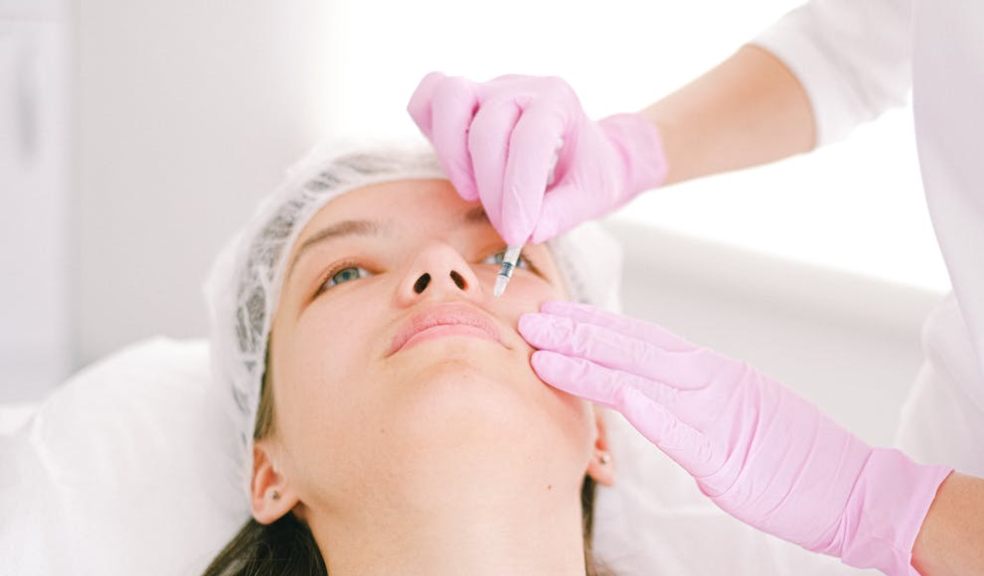
Dermal Fillers: Expert Treatment, Natural Results and CQC-Regulated Safety
Health & Aesthetics offer dermal filler treatments that Surrey patients trust for safe, doctor-led facial rejuvenation. Whether you're noticing flattened cheeks, undefined lips, or sagging jawlines, their FDA-approved hyaluronic acid and collagen-stimulating fillers restore volume, sculpt contours, and deliver natural-looking refreshment. Each treatment is personalised with advanced MD Codes injection mapping to match your unique facial anatomy and goals.
At-a-Glance: Who Benefits and Why Choose Dermal Fillers
Dermal fillers work for anyone experiencing volume loss from ageing, those seeking sharper jawlines or fuller lips, and individuals who want to refine facial proportions without surgery. You benefit if you notice sunken temples, flat cheeks, thinning lips, or early jowl formation. These treatments are also ideal for non-surgical rhinoplasty to smooth bridge humps or lift drooping tips.
Key benefits include immediate, natural-looking volume, improved facial contours, quick 30–60 minute appointments, and minimal downtime—most patients return to work the same day. The Health & Aesthetics CQC-regulated clinic operates under doctor-led protocols with 4.9/5 patient reviews, ensuring safe technique, FDA-approved products, and transparent consultations.
Learn more about dermal fillers with a personalised consultation, or book your visit at their top-rated clinic to discuss your goals with a qualified doctor.
Treatment Areas and Advanced Techniques
Lip fillers: Health & Aesthetics in Surrey restore natural shape, define vermillion borders, and balance upper-lower proportions using fine-gauge cannulas and specific lip-grade hyaluronic acid. Results are subtle, hydrated, and proportionate to your face.
Cheeks and midface: Strategic cheek filler lifts the midface, adds structure, and softens nasolabial folds by addressing volume depletion at the source—higher on the cheekbone—rather than filling the fold itself.
Jawline and chin: Filler injections sharpen mandibular angles, correct jowl sagging, and balance chin projection for a more defined profile. They use thicker, structural fillers placed deeply along the bone to create lasting contour without migration.
Temples: Refilling hollowed temples refreshes the upper face, reduces shadowing, and creates a smoother transition from forehead to cheek—often overlooked but transformative for overall harmony.
Non-surgical rhinoplasty: Hyaluronic acid precisely refines the bridge, lifts the tip, and camouflages humps without incisions. Results are immediate, reversible with Hyalase if needed, and last 12–18 months.
Ears and hands: Earlobe plumping counteracts earring stretch and ageing; hand rejuvenation disguises prominent veins and tendons with collagen-stimulating or HA fillers for a softer, more youthful appearance.
8-point facelift and MD Codes injections: Developed by Dr. Mauricio de Maio, these strategic injection maps ensure balanced lift, predictable outcomes, and enhanced safety by targeting 75 precise facial points tailored to your anatomy.
Filler Types and Product Selection
Hyaluronic acid dermal fillers (Revanesse, Teoxane): These FDA-approved gels attract 100 times their weight in water, restoring moisture, plumpness, and smoothness. They're versatile for lips, cheeks, nose, jawline, and hands—and fully reversible with Hyalase enzyme if adjustments are needed. HA fillers contain built-in lidocaine for comfort and typically last 6–24 months depending on placement and metabolism.
Collagen-stimulating fillers: Products like Radiesse or Sculptra gradually regenerate your own collagen, building long-term structure in cheeks, jawline, and hands. They are recommended when you want sustained volume over 18–24 months and accept a slower onset (results develop over weeks to months). Unlike HA, these are not reversible, so candidacy is assessed carefully during consultation.
What to Expect: Consultation to Aftercare
Personalised consultation and facial mapping: Your doctor reviews your medical history, photographs your face from multiple angles, and maps injection sites using MD Codes. You discuss goals, budget, and realistic outcomes, leaving with a bespoke treatment plan that respects your natural features.
Comfort and anaesthesia: Hyaluronic acid fillers contain mild local anaesthetic (lidocaine), and we can apply numbing cream 20 minutes before injections. No general anaesthesia is required; most patients describe the sensation as brief pressure or pinching.
Treatment steps and timing: Your skin is cleansed and marked. Filler is injected via fine needle or flexible cannula, then sculpted and massaged into position. The entire session takes 30–60 minutes, after which you can see and discuss your immediate results.
Immediate recovery: Mild redness, swelling, or tiny needle marks are common and usually resolve within hours to two days. Most patients return to work the same day; makeup can conceal any bruising if it occurs.
Safety, Regulation, and Complication Management
CQC regulated aesthetics clinic: Health & Aesthetics operates under Care Quality Commission oversight, with doctor-led consultations, audited infection-control protocols, and 4.9/5 patient reviews based on 260 Google ratings. This regulatory framework ensures every treatment meets national safety and quality standards.
Product safety: They use FDA-approved hyaluronic acid options (Revanesse, Teoxane) and medical-grade collagen stimulators. All products are traceable, stored per manufacturer guidelines, and administered by trained practitioners to minimise contamination or adverse reactions.
Risks and management: Bruising and swelling are the most common side effects; rare vascular events (blocked blood vessels) are mitigated by expert anatomy knowledge, aspiration technique, and immediate access to Hyalase filler dissolution for HA products. If complications arise, our doctors manage them on-site with emergency protocols and follow-up care.
Suitability and precautions: Fillers are unsuitable during pregnancy, breastfeeding, or active infection. Conditions like keloid scarring, autoimmune disease, or anticoagulant use require careful assessment. Full medical history review during consultation ensures safe candidacy.
Results, Longevity, and Maintenance
When results show: Hyaluronic acid fillers deliver immediate improvement visible as you leave the clinic. Swelling settles over 1–2 weeks, revealing final contours. Collagen-stimulating fillers build gradually; noticeable changes appear after 4–8 weeks and peak at 3–6 months.
How long results last: Lips typically hold filler for 6–12 months due to high muscle movement. Cheeks and jawline last 12–24 months thanks to deeper placement and thicker product. Non-surgical rhinoplasty maintains shape for 12–18 months. Temples and hands vary by product—hyaluronic acid 9–15 months, collagen stimulators up to 2 years. Metabolism, lifestyle, and injection depth all influence longevity.
Maintenance planning: A two-week review appointment checks symmetry and allows minor top-ups if needed. Subsequent maintenance is scheduled based on your individual wear pattern—some patients refresh annually, others every 18 months. Consistent skincare, sun protection, and stable weight help prolong results.
Pricing and Treatment Plans
What influences price: Cost depends on the number of treatment areas, product type (HA vs collagen-stimulating), volume required (measured in millilitres), and technique complexity. For example, non-surgical rhinoplasty or an 8-point facelift demands advanced anatomical mapping and precision, affecting pricing compared to a simple lip enhancement.
Typical plans: A subtle lip refresh may use 0.5–1ml of filler in a single session. Full-face contouring—cheeks, jawline, chin, and temples—often involves 4–8ml staged over two visits for natural, budget-friendly results that avoid overfilling and allow tissue adaptation.
Booking pathways and anchor-led CTAs: Explore CQC-regulated dermal filler treatment in Surrey with FDA-approved options tailored to your anatomy. Book expert-led dermal fillers and speak to a doctor about your personalised treatment plan and transparent pricing.
Alternatives and Combination Treatments
Profhilo vs fillers: Profhilo bio-remodels skin quality by spreading pure hyaluronic acid to boost hydration, elasticity, and collagen without adding structural volume. Fillers restore lost volume and sculpt contours. Combining both delivers lifted structure plus radiant, firm skin—ideal for comprehensive facial rejuvenation.
Endolift non-surgical facelift vs fillers: Endolift uses laser energy to tighten sagging skin and dissolve small fat pockets, whereas fillers add volume and contour. Candidates with loose skin benefit from Endolift first, then filler for refined shaping. Sequencing is planned during consultation for optimal synergy.
Complementary options: Anti-wrinkle injections relax dynamic lines (forehead, crow's feet) that fillers can't address. Skin boosters like polynucleotides hydrate and repair at a cellular level. Full-face plans often layer injectables for balanced, age-appropriate outcomes.
FAQs: Your Top Questions Answered
Are dermal fillers right for me? Fillers suit anyone with volume loss, asymmetry, or contour concerns who prefers non-surgical solutions. A consultation assesses your anatomy, goals, and medical history to confirm suitability.
What's the difference between hyaluronic acid dermal fillers and collagen-stimulating fillers? HA works immediately, is reversible, and lasts 6–24 months. Collagen stimulators build gradually, last up to 2 years, but cannot be dissolved—best for long-term structure.
How many syringes will I need for lips, cheeks, jawline, or non-surgical rhinoplasty? Lips: 0.5–1.5ml; cheeks: 1–3ml per side; jawline: 2–4ml total; nose: 0.5–1ml. Variation depends on existing volume, desired enhancement, and tissue response.
Does it hurt? What anaesthesia is used? Fillers contain lidocaine for local numbing; optional topical cream further reduces discomfort. Gentle injection technique and flexible cannulas minimise pain—most describe brief pressure rather than sharp pain.
How quickly will I see results and how long will they last in each area? HA shows instantly, settles in 1–2 weeks. Collagen stimulators take 4–12 weeks. Longevity: lips 6–12 months, cheeks/jaw 12–24 months, nose 12–18 months.
What are the risks and side effects? Swelling, bruising, and redness are common and resolve within days. Rare risks include infection, vascular occlusion, or asymmetry. Aftercare—ice, arnica, avoiding pressure—reduces downtime and complications.
Can fillers be dissolved if I don't like the result? Yes. Hyalase enzyme dissolves hyaluronic acid fillers within 24–48 hours. We use it to correct overfilling, asymmetry, or unwanted lumps—offering a reversibility safety net not available with collagen stimulators.
What is the 8-point facelift and MD Codes approach? The 8-point facelift injects filler at eight strategic midface and lower-face sites for balanced lift. MD Codes extend this to 75 precise anatomical points, customised per patient for predictable, harmonious rejuvenation.
Can I combine dermal fillers with Profhilo or Endolift non-surgical facelift? Absolutely. Profhilo is often delivered 2–4 weeks before or after fillers for skin hydration plus structure. Endolift can precede filler by 4–6 weeks to tighten skin, then filler refines contours—sequencing is planned for best synergy.
Why choose a CQC regulated aesthetics clinic in Surrey with 4.9/5 reviews? CQC oversight mandates infection control, staff competency, and patient safety audits. Reviews reflect consistent outcomes, transparent consultations, and effective complication management—critical when injecting near facial blood vessels and nerves.