






Treasured by Icons, Traded at a Premium, and Built on Purpose: The Magnolia Pearl Effect
By Dominique Favre
Fashion’s fixation on the new has started to feel a little thin. Magnolia Pearl has built its appeal by moving in the opposite direction.
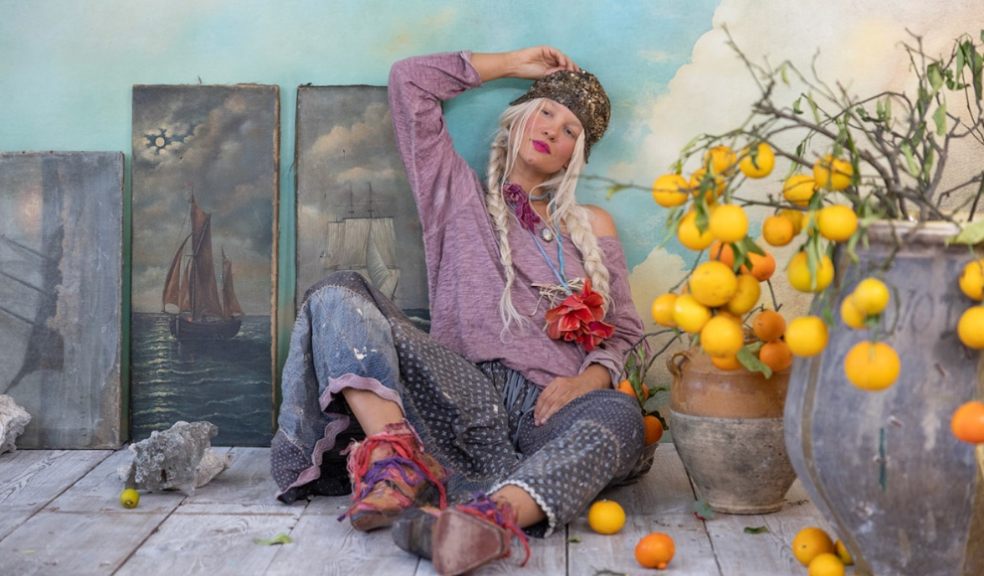
The brand’s clothes look weathered rather than pristine, repaired rather than erased, and deeply personal rather than mass-produced. In 2025, that gives Magnolia Pearl unusual force. At a time when resale is growing, luxury is under pressure, and shoppers are thinking harder about longevity, the company occupies a niche that feels both romantic and commercially sharp.
A Cult Label for a Different Kind of Luxury
Magnolia Pearl does not sell polished perfection. Its official site presents a world of handmade craft, visible mending, and small-batch desire. The garments often appear softened by time, marked by patchwork, lace, distressing, and stitching that turns wear into part of the design.
That identity lands well in the current market. Fashion buyers are becoming more selective, and resale has become one of the fastest-growing parts of apparel. Magnolia Pearl benefits from both trends. Its pieces are treated less like ordinary clothing and more like collector items, with demand shaped by scarcity as much as style.
Celebrity attention has helped widen the circle. Taylor Swift has worn Magnolia Pearl in a music video, and Whoopi Goldberg has worn it on television. Yet the stronger sign of relevance is not visibility alone. It is the way the brand has developed a collector aura, with garments moving through resale channels at premiums that suggest a loyal and highly engaged market.
Robin Brown’s Vision of Beauty Through Repair
Magnolia Pearl is closely tied to its founder, Robin Brown, whose life story shapes the brand’s emotional tone and visual language. Brown has described an early life marked by poverty, instability, abuse, and periods of homelessness. Those experiences now sit at the heart of the company’s public identity.
That background helps explain why Magnolia Pearl treats mending as something beautiful instead of something to hide. The clothes do not chase smooth surfaces or spotless finish. They lean into frayed edges, patched fabrics, and evidence of handwork. Repair becomes part of the garment’s meaning, not a sign of damage to be concealed.
Brown deepened that connection in 2024 with the publication of Glitter Saints: The Cosmic Art of Forgiveness, a memoir that ties her personal story to the roots of the brand. That makes Magnolia Pearl more than a fashion label. It becomes an authored world, where buyers are drawn to biography and feeling as much as fabric and silhouette.
Resale and Charity as Part of the Brand’s Identity
One of Magnolia Pearl’s most telling moves came in 2023 with the launch of Magnolia Pearl Trade, its authenticated resale platform. The site gives collectors a place to buy and sell pre-loved pieces while allowing the company to keep a close hold on its secondhand market. Rare samples and older items can also reappear there, feeding scarcity and collector demand.
That matters because resale is no longer a side note in fashion. It is becoming central to how consumers think about value. Magnolia Pearl Trade lets the brand protect authenticity, reinforce exclusivity, and preserve the story around each piece after the first sale.
The platform is tied to the Magnolia Pearl Peace Warrior Foundation, which the company says has raised more than $550,000 for causes including housing and healthcare support for Indigenous American veterans, food and medical aid, disaster relief, and arts education. That charitable structure gives the resale business a broader purpose and strengthens the brand’s claim that clothing can carry meaning beyond the first transaction.
Magnolia Pearl’s real strength may be that it has made visible wear feel desirable. Its clothes carry fragility without looking weak, and its resale model gives that fragility economic value. In a fashion culture still drawn to gloss, Magnolia Pearl has found power in the mended, the scarce, and the deeply felt.
Photos Courtesy of: Marcus Blackwood