






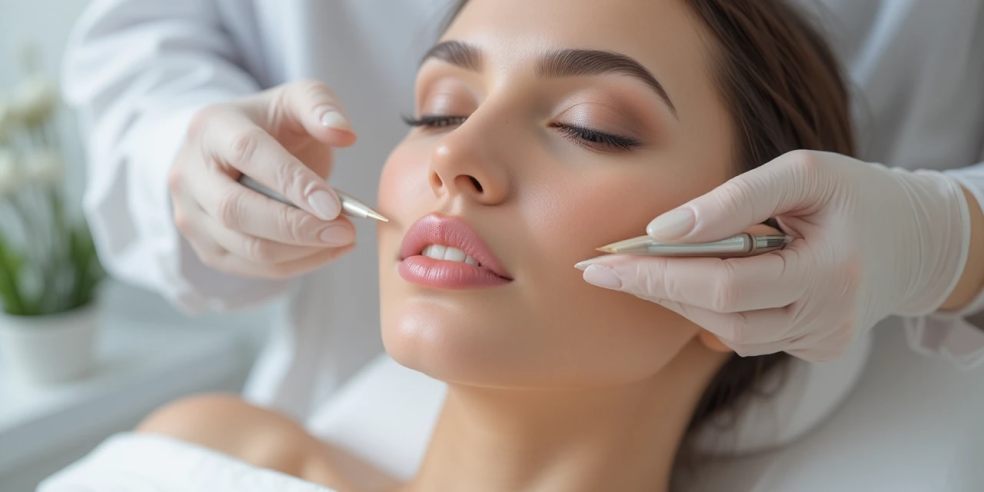
Polynucleotides: The London Skin Treatment Aesthetic Doctors Have Quietly Adopted
In London’s aesthetic medicine community, a clear shift has emerged. When a treatment is genuinely good, the doctors themselves start having it. Polynucleotides have passed that test over the past two years. Practitioners who spent the early 2020s cautious about the category now have it in their own faces, and recommend it to their most considered patients. For anyone researching polynucleotides London clinics honestly discuss this shift in clinician behaviour is the most useful endorsement available.
Understanding what polynucleotides actually do, why London’s medical aesthetic community has adopted them, and what to look for when booking helps put the treatment into proper context.
What Polynucleotides Are
Polynucleotides are chains of nucleotides, the building blocks of DNA, derived from highly purified salmon or trout DNA in the formulations approved for medical use. When injected into the dermis, they act as biostimulators, supporting the skin's fibroblast activity, promoting collagen and elastin production, and improving tissue hydration and quality over time.
How Polynucleotides Differ from Filler
The most important point to understand about polynucleotides is that they are not a dermal filler. They do not add volume. They do not lift or contour. What they do is improve the underlying quality of the skin, which is a different goal entirely. Patients who arrive expecting immediate visible change of the kind filler produces will be disappointed. Patients who understand the treatment is a medium-term regenerative intervention tend to be among the most satisfied in a clinic's cohort.
Why Regenerative Treatments Are Gaining Attention
The broader category of regenerative aesthetics, which includes polynucleotides, Profhilo, and exosome treatments, represents a genuine shift in how aesthetic medicine approaches the ageing face. Rather than compensating for tissue decline by adding volume, regenerative treatments aim to slow or reverse the decline itself. The clinical logic is more sophisticated than the volume-based model that dominated the 2010s, and the results, when delivered well, tend to be more durable.
Why London's Medical Community Adopted Them
Polynucleotides have been used in Italian and Korean aesthetic medicine for over a decade, but their adoption in the UK accelerated meaningfully from around 2023 onwards. Several factors drove the shift.
The tear trough and periorbital application
One of the most significant clinical uses of polynucleotides in London is around the eyes, where their hydrating and regenerative effects are particularly visible. The thin skin of the tear trough and periorbital area responds well to the treatment, and polynucleotides avoid the risk of Tyndall effect, lumping, or migration that can occur with filler in this notoriously difficult zone. Dr Tahera Bhojani-Lynch, a member of the Royal College of Ophthalmology and the first female British graduate to perform LASIK surgery in the UK, has published research on periorbital rejuvenation and has been an advocate for polynucleotides in this context.
Suitability for patients avoiding fillers
Polynucleotides have also become the treatment of choice for a growing cohort of London patients who are specifically avoiding filler, either because they have had filler previously and want to move away from it, or because they prefer regenerative approaches from the outset. This cohort is substantial and growing, and the treatment's compatibility with a filler-free aesthetic plan is part of why medical clinics have embraced it.
The safety profile
The safety profile of polynucleotides is favourable. The product is highly purified and biocompatible, the injection technique uses small volumes in multiple points, and the side-effect profile is limited to mild bruising and swelling at injection sites. Unlike filler, there is no risk of vascular occlusion in the same way, though any injection carries some risk and should be performed by a trained medical practitioner.
What a Typical London Treatment Plan Looks Like
A proper polynucleotides London protocol begins with a consultation that assesses skin quality, previous treatments, and the patient's overall aesthetic plan. Polynucleotides are often recommended as part of a broader strategy alongside Profhilo, skin-focused laser or energy-based treatments, and the use of toxins.
Session structure and frequency
The typical protocol involves a course of three sessions spaced two to four weeks apart, with maintenance sessions every six to nine months thereafter. A single session produces some benefit, but rarely the full effect. Clinicians who promise transformative results from a single session are overstating what the treatment can do.
Areas treated
The face is the most common area, with specific attention to the under-eye zone, cheeks, and perioral region. The neck and décolletage also respond well. Treatment of the hands is increasingly common for patients who want to address skin quality across a broader area than the face alone.
Who performs the treatment?
Polynucleotides should be injected by a medical practitioner with training in facial anatomy. The periorbital and perioral regions in particular require anatomical knowledge that non-medical injectors typically do not have. A clinic performing this treatment should have GMC, GDC, or NMC-registered clinicians leading the work and should be CQC-registered where required.
Understanding Cost and Value
Polynucleotides at medical clinics in London typically start from around £250 per session, with full courses priced as a package. Dr Nyla Medispa, for example, lists polynucleotides starting at £250. Prices significantly below this range sometimes reflect smaller doses, less reputable products, or less experienced injectors.
Value compared to filler
For patients assessing value, polynucleotides should not be compared directly to filler on a per-millilitre basis. The treatments do fundamentally different things. A better comparison is the long-term cost of a maintained regenerative plan versus a filler-based plan, with regenerative treatments often producing better outcomes in patients who commit to them consistently.
How to Choose the Right Clinic
Verify that the clinic is CQC-registered where required, that the lead clinician is GMC-registered, and that the practitioner performing your treatment has specific training and experience in polynucleotides rather than simply adding them to their menu recently. Ask about the product brand being used. Ask how many sessions they recommend and why. Expect the consultation to involve a discussion of your broader plan rather than a one-off booking.
Polynucleotides are not a trend. They are part of a durable shift in how London's serious clinics approach skin health, and the patients who choose well are likely to see the benefits for years rather than months.
Dr Nyla Raja, Dr Dean Rhobaye and Dr Tahera Bhojani-Lynch all hold active GMC registration and form part of the medical team at Dr Nyla Medispa.