






Do Protests Make London Unsafe? Separating Perception from Reality for Visitors
ondon is no stranger to public demonstrations, with crowds gathering across the city for causes ranging from political reform to international issues. For many visitors, however, media coverage can create an impression that the capital is a hotspot of unrest. But how accurate is this perception, and how should travellers interpret the risk?
This article explores the gap between perception and reality, analysing recent protest trends, counter-protests, and crime data to provide a clear picture for anyone planning to navigate London safely.
Understanding the Landscape of London Protests
Over the past two years, London has hosted a wide variety of protests, reflecting the city’s diversity of opinion and activism. These demonstrations tend to fall into three main categories: political protests, environmental and climate protests, and social justice or international cause protests.
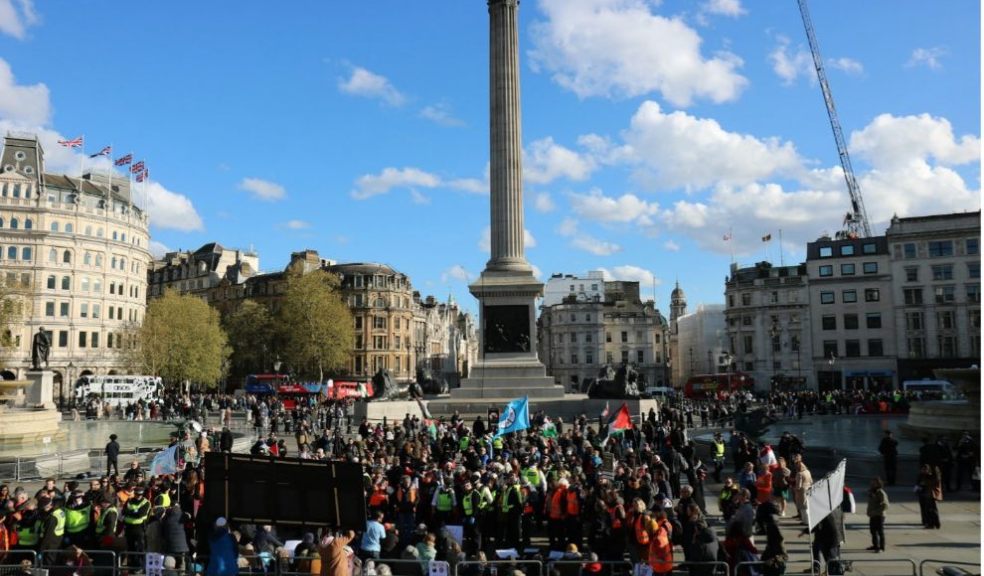
Political demonstrations remain among the most visible, often taking place in areas such as Parliament Square or Trafalgar Square. These protests are usually linked to government policies, elections, or international affairs. For example, the “Freedom to Protest” marches in 2023 drew crowds opposing new legislation perceived to restrict public demonstrations. While largely peaceful, some events have involved minor clashes between protesters and police, occasionally resulting in arrests.
Environmental and climate protests, led by groups such as Extinction Rebellion, have also been prominent. In 2023 and 2024, several high-profile road-blocking demonstrations occurred, prompting police to manage traffic disruptions. The majority of participants are peaceful, yet these events sometimes attract counter-protesters who may disrupt the demonstration or stage their own marches. For travellers, the primary risk is inconvenience rather than direct danger.
Social justice and international cause protests have included campaigns for racial equality, workers’ rights, and LGBTQ+ rights, as well as demonstrations related to international conflicts. Pro-Palestine protests in London have gathered significant attention, particularly in response to conflicts in the Middle East. These events reportedly amass small-scale confrontations with counter-protest groups or passers-by. Several incidents of verbal abuse or minor property damage have been reported, but serious violence is rare (although has happened, even resulting in the murder of a pensioner).
The Role of Counter-Protests
Counter-protests have become an increasingly visible feature of London’s civic life. These gatherings directly oppose the views of the primary protest group. For instance, pro-Palestine demonstrations have sometimes faced counter-marches from pro-Israel groups. While counter-protests are an expression of free speech, they can occasionally heighten tension and necessitate a larger police presence.
It is important to distinguish between peaceful protest and potential unrest. Most counter-protests are symbolic and pose limited risk to the public, although larger gatherings may require temporary rerouting of pedestrians or public transport.
Media Coverage and Public Perception
One of the main factors shaping public perception is media reporting. Sensational headlines often highlight rare instances of violence or property damage, creating the impression that protests are inherently unsafe. In reality, London’s Metropolitan Police report that the majority of protests proceed without serious incident.
Statistics from the past two years indicate that arrests related to public demonstrations represent a small fraction of overall crime in the city. Violent incidents linked to protests are uncommon and typically confined to specific flashpoints rather than the demonstration as a whole.
Contextualising London’s Safety
To properly assess risk, it is helpful to consider protests within London’s broader safety profile. According to the latest Metropolitan Police data, violent crime in central London is concentrated in certain districts after midnight, rather than during daytime demonstrations. Tourists are rarely direct targets of protest-related incidents, and public order offences associated with demonstrations make up a very small proportion of total recorded crime.
For travellers, navigating London safely is largely a matter of normal urban awareness: staying alert in crowded areas, avoiding late-night streets with low foot traffic, and checking local news for scheduled demonstrations. Understanding this context highlights that protests are a component of city life rather than a constant threat.
Practical Advice for Travellers
Checking local news outlets and Transport for London updates can provide information on planned protests and any potential disruptions. Observing demonstrations from a safe distance allows visitors to appreciate the civic activity without becoming inadvertently involved. Protests may temporarily close roads or stations, so planning alternative routes can save time and reduce frustration. Official police channels often provide real-time updates on public events and safety advisories.
By treating protests as part of London’s dynamic urban landscape rather than an inherent danger, travellers can enjoy the city while making informed decisions about their routes and schedules.
Staying Safe & Aware During Protests in London
While media coverage may amplify concerns, most protests in London are mostly peaceful and managed by authorities. Travellers who remain aware of their surroundings and plan for occasional disruptions can navigate the city safely. Distinguishing between perceived danger and actual risk ensures that visitors experience London’s vibrancy without unnecessary anxiety.