





How a Fire Pit Can Turn Your Garden Into a Year-Round Evening Space
Most British gardens get used for about four months a year. May to August, if the weather plays fair. The rest of the time the furniture sits under a cover, the patio goes unused, and the back door stays shut once the sun drops.
A fire pit changes that.
Not in a vague, aspirational way. In a practical one. Add the right kind of heat to the right spot in your garden, and suddenly October is a month you spend outside. So is March. Even January, if you are willing to wrap up.
This is about more than a metal bowl from a garden centre. A proper fire pit setup, whether built in or freestanding, extends how long your garden is actually usable. It shifts the whole rhythm of how you spend evenings at home.
Why a Fire Pit Does More Than You Think
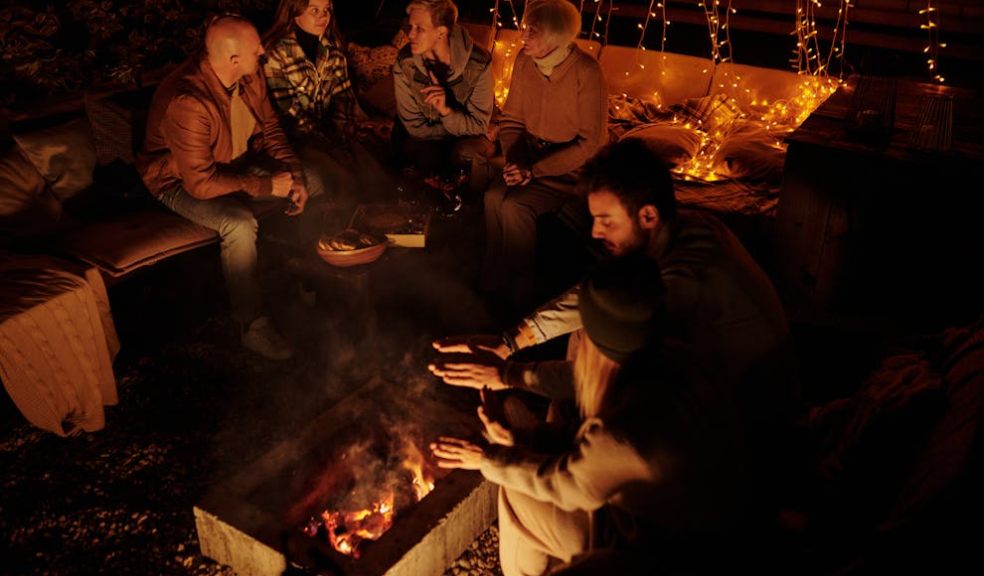
The appeal of sitting by an open flame is older than any of us. Something about firelight slows people down. Conversations last longer. Phones come out less often. Kids hang around instead of drifting back to a screen.
There is a reason restaurants, bars, and boutique hotels have been adding outdoor fire features for years. They work. They keep people in a space longer, and they make a small outdoor area feel like somewhere you want to be.
In a garden, the effect is the same. You stop thinking of the space as somewhere you pass through on a summer afternoon. It becomes a room. One you use in the dark.
Research from the RHS has pointed to the wider wellbeing benefits of spending time in gardens, from reduced stress to better sleep quality. An outdoor fire, practically speaking, gives you a reason to be out there when you otherwise would not be. For more on the broader case for outdoor living, the Royal Horticultural Society's wellbeing resources are a useful starting point.
The Scottish Weather Argument, Applied to Everyone
If a fire pit makes sense anywhere, it makes sense in the UK. The climate is the whole point.
Our summers are short. Our evenings are chilly even in July. A fire bridges that gap. It lets you stay outside past nine in the evening in May, or pop out for half an hour in February because the stars are clear and someone fancies a glass of wine in the cold.
Companies that build these things for a living understand this better than most. Glasgow-based MacColl & Stokes Landscaping point out that a sunken fire pit is especially good in exposed gardens, because it gives the flame some wind shelter and keeps the smoke from blowing straight into the seating area. That kind of detail matters more than the glossy photos suggest. A fire pit that fills your garden with smoke every time the wind changes is one you stop using by October.
Position and layout are half the battle.
Built-In Versus Freestanding: What Actually Suits You
There are broadly two routes, and they serve different people.
Freestanding fire pits are the simpler route. A corten steel bowl, a cast iron fire pit table, or a portable chiminea. You buy it, put it on a hard surface, and you are done. They suit renters, people with smaller budgets, or anyone who wants flexibility. If you move house, the fire pit comes with you.
Built-in installations are a different commitment. A masonry surround, a sunken pit cut into the patio, a stone feature with integrated seating. These are permanent. They involve groundwork, drainage, and often a decent amount of planning. They also, done well, add genuine value to a garden. Not just in how it feels, but in how it shows when the house goes on the market.
Neither choice is wrong. A good freestanding pit in the right spot can look excellent. A built-in feature in the wrong spot is a liability.
The question to ask yourself is simple. Do you want something you can shift around next season, or do you want to design a garden room with the fire at its centre?
The Seating Is Half the Experience
A fire pit without proper seating is a curiosity. You light it, look at it, and go back inside after twenty minutes.
A fire pit with seating that actually works is where you spend your Saturday nights from April to November.
The best configurations tend to wrap around the fire in some way. A curved bench, a U-shape, or a loose circle of chairs. You want everyone facing inward, close enough to feel the heat, far enough to avoid smoke in the eyes. A gap of around a metre between the pit and the nearest seat is the usual rule, though bigger fires need more room.
Built-in timber benches work well because you can add storage underneath for logs, cushions, or blankets. Stone or masonry benches suit more formal gardens and last longer than timber, though you will want cushions for comfort.
If you go freestanding, do not skimp on the furniture. A proper outdoor sofa or set of lounge chairs makes a significant difference compared to plastic garden chairs.
Thinking Through Safety Before You Light It
There are a handful of things worth getting right before your first fire.
The surface under a fire pit matters. A patio or paved area is fine; grass is not. If you are using a freestanding pit, check the instructions because some will mark paving stones with heat. A fireproof base or old paving slab underneath solves that.
Distance from the house, fences, sheds, and overhanging trees is the next thing. The usual guidance is a minimum of three metres from anything flammable, and well away from low branches. Sparks carry further than people expect.
Wind is the variable most people forget. A gentle breeze is fine. A gusty autumn evening turns a fire pit into a stressful thing to manage. Some areas also have local air quality rules around wood burning, so it is worth checking what applies where you live. Advice on outdoor burning and wood quality is available through the UK government's guidance on cleaner fuels.
And keep a bucket of water or sand nearby. Not a dramatic precaution. Just sensible.
Fuel Choice Changes the Experience
Wood is traditional. It smells good, it crackles, and it gives off serious heat. The downside is smoke, the need to store dry logs, and the cleanup afterwards.
Gas fire pits have become more common in recent years. You turn a dial, you get a flame, you turn it off. No ash, no smoke, no hunting for kindling. They cost more upfront and need a gas supply, but they are cleaner and far easier to use on a whim. If you want to sit outside for forty minutes after dinner, a gas fire pit is ready in seconds. A wood fire takes twenty minutes just to get going.
Bioethanol is the third option. Cleanest of the three, no smoke at all, decent flame. The heat output is lower, though, so it is more about ambience than warmth.
For UK conditions, gas is often the practical winner for year-round use. Wood wins on atmosphere for people who do not mind the effort.
The Small Details That Make It Work
A few things worth planning for from the start.
Lighting around the fire pit area helps on winter evenings when it gets dark at four. Low-level pathway lights or subtle garden lighting stop people tripping on the way out and make the whole space look deliberate.
Storage for logs, matches, and fire tools should be close by, not in the shed at the other end of the garden. You will stop using the fire if every session starts with a ten-minute hunt for firelighters.
Weatherproof cushions and blankets in a nearby box mean people can actually stay out there. You do not want guests leaving because they got cold.
Drainage matters if you are cutting a sunken pit into a patio. Water pooling in the base of a fire pit is a common problem, and it is easier to solve during installation than after the fact.
Does It Add Value?
This depends who you ask and what you build. A well-designed permanent fire pit with proper seating and hard landscaping can lift the appeal of a garden considerably, particularly for buyers looking at how they would actually live in the space. Estate agents tend to describe outdoor entertaining areas as a selling point in their own right.
A portable fire bowl on a patio adds almost nothing to a property's value, but it did not cost much either, so the return is in enjoyment rather than resale.
The real question is how much you will use it. A £4,000 stone-built fire pit that gets used forty weekends a year works out at cheap entertainment. The same feature sitting unused because the seating is uncomfortable or the smoke is unbearable is just an expensive garden decoration.
A Few Things to Avoid
Putting the fire pit in the wrong spot is the most common mistake. Too close to the back door, and smoke comes in every time someone opens it. Too far from the house, and nobody walks out there in October when the grass is wet.
Buying the wrong size is the next one. A huge fire pit in a small garden looks absurd and eats the space. A tiny one on a big patio disappears.
Skipping professional advice on built-in work is a false economy. Drainage issues, unstable foundations, and poorly planned levels are expensive to fix later.
And treating a fire pit as a standalone feature rather than part of the garden design tends to produce something that looks like it was dropped from a crane. The best installations feel like they belong where they are.
Making the Case for an Outdoor Evening Room
The garden you use in April is not the same garden you use in July. A fire pit is one of the few things that genuinely changes how long the outdoor space is worth being in.
Think about what an extra five or six months of usable garden means. Evenings with friends that do not end when the sun goes down. Bonfire Night with the kids that happens in your own garden rather than in a car park somewhere. A glass of something in the dark when you want five minutes to yourself.
Worth the planning. Worth getting right. Worth the small amount of maintenance.
You might be surprised how quickly the fire pit becomes the part of the garden you actually use.