




THCA Flowers: The Complete Guide to Raw Potency from 21% to 43%
In the evolving landscape of cannabinoid products, THCA flowers stand out as a significant development, offering a unique experience for enthusiasts. These particular flowers, known for their substantial potency, can range from a robust 21% to an impressive 43% THCA content. Unlike traditional cannabis, THCA flowers are derived from federally legal hemp genetics, meticulously cultivated to maximize their cannabinoid profile while adhering to regulatory standards.
When unheated, Tetrahydrocannabinolic Acid (THCA) is non-psychoactive. However, through a process called decarboxylation – typically involving heat from smoking, vaping, or cooking – THCA converts into Delta-9 THC, the compound renowned for its potent effects. This transformation allows users to unlock the full potential of these powerful flowers, providing an experience that many describe as similar to traditional high-potency cannabis, yet operating within a distinct legal framework. For those seeking a comprehensive understanding of these potent offerings, this guide delves into everything you need to know about THCA flowers.
The journey to understanding THCA flowers begins with appreciating their biological origins and the careful cultivation practices that bring them to market. These are not merely hemp flowers; they are specialized cultivars, bred for their specific chemical composition and the potent experience they offer upon activation.
Understanding THCA flowers: the complete guide to their nature
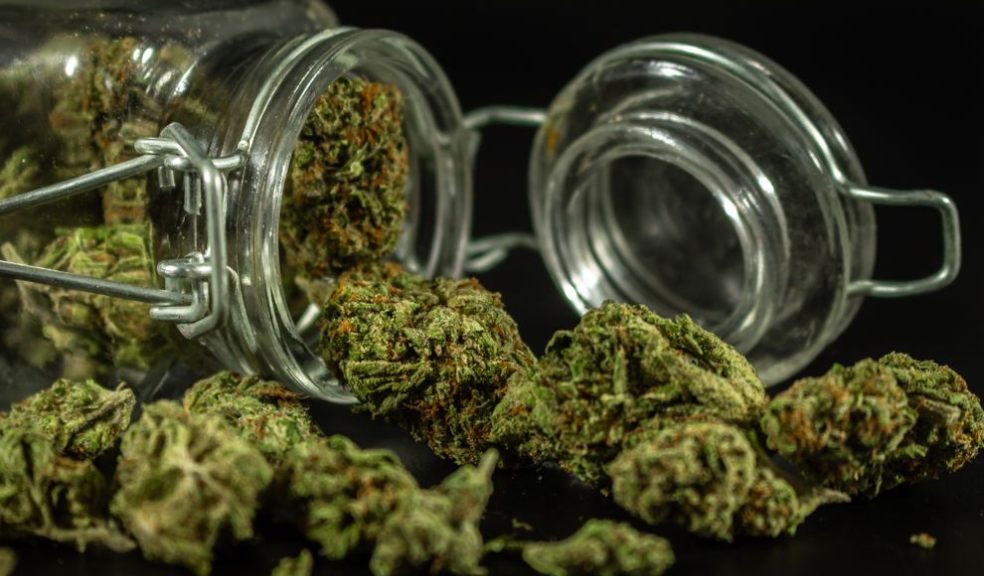
At its core, THCA flower is raw, unheated hemp flower that contains high levels of Tetrahydrocannabinolic Acid. This acidic precursor to THC is abundant in the living cannabis plant. When harvested and dried, the flower retains this THCA. The beauty of THCA lies in its dual nature: non-intoxicating in its raw form, it becomes psychoactive once exposed to heat. This makes it a fascinating option for consumers who appreciate the nuanced effects of cannabinoids.
The distinction between THCA flowers and other hemp products lies in their targeted cultivation. Growers focus on genetics that naturally produce elevated THCA levels, often exceeding 20% and sometimes reaching over 40%. This dedication to specific cannabinoid profiles ensures that when these flowers are decarboxylated, they deliver a potent and consistent experience, mirroring the effects of conventional high-THC cannabis.
Many users find that the effects of activated THCA flowers offer a smooth yet powerful journey. As one enthusiast noted, it allows for "a real moment of relaxation while remaining in control of the experience." This balance of potency and perceived control contributes to the growing popularity of THCA products.
Cultivating high-potency THCA flowers
Achieving the impressive potency levels seen in THCA flowers, ranging from 21% to 43%, is no accident. It is the result of sophisticated cultivation techniques and a deep understanding of plant genetics. The best THCA flowers typically originate from indoor grows, where environmental factors can be meticulously controlled.
Controlled environments are crucial for several reasons. Factors such as temperature, humidity, light cycles, and nutrient delivery are precisely managed to optimize the plant's growth and cannabinoid production. This level of control minimizes external stressors, allowing the plant to allocate its energy towards producing abundant trichomes, which are the glandular structures responsible for synthesizing cannabinoids like THCA.
Moreover, the selection of specific hemp genetics plays a pivotal role. Breeders focus on strains known to naturally produce high concentrations of THCA while keeping Delta-9 THC levels below the legal threshold. This careful genetic selection, combined with advanced horticultural practices, ensures that the harvested flowers are not only potent but also compliant with regulations, offering a consistent and high-quality product to the consumer.
The spectrum of potency: from 21% to 43%
The potency range of THCA flowers, spanning from 21% to 43%, represents a wide spectrum of experiences available to consumers. Understanding what these percentages signify is key to selecting a product that aligns with individual preferences and desired effects.
Understanding potency levels
When a THCA flower is listed at, for example, 25% THCA, it means that 25% of its total dry weight is composed of Tetrahydrocannabinolic Acid. Upon heating, a significant portion of this THCA will convert to THC. The actual amount of THC produced can vary slightly based on the heating method and duration, but higher initial THCA percentages generally translate to a more potent activated product.
Lower potency flowers, perhaps in the 21-25% range, might be suitable for individuals newer to potent cannabinoid experiences or those seeking a more moderate effect. They can still deliver significant impact when decarboxylated, but the overall intensity may be less pronounced compared to their higher-potency counterparts.
On the other end of the spectrum, flowers boasting 35% THCA or higher, reaching up to 43%, are considered "power flowers." These are for experienced users who appreciate a very strong and concentrated effect. Such high potencies can be profoundly impactful, offering deeply relaxing or intensely euphoric sensations, depending on the strain's specific terpene profile.
Benefits of varying potencies
The diversity in potency allows for a tailored approach to cannabinoid consumption. Consumers can choose a lower percentage for daytime use or social settings where a milder effect is preferred. Conversely, higher potency options are often favored for evening use, deep relaxation, or when addressing more significant needs for potent relief.
"The ability to choose from such a wide range of potencies empowers consumers to truly customize their experience, finding the perfect balance for their individual preferences and desired outcomes," according to industry experts.
This flexibility is a major advantage of the THCA flower market, ensuring there is a product suitable for nearly every user, from the curious newcomer to the seasoned connoisseur.
Choosing your ideal THCA flower
Selecting the right THCA flower involves more than just looking at the potency percentage. A holistic approach considers strain type, aroma, and the specific effects you wish to achieve. This personalized selection process ensures a more satisfying and predictable experience.
Strain types and their characteristics
Just like traditional cannabis, THCA flowers come in various strain types, each associated with distinct characteristics:
- Indica-dominant strains: Often favored for their deeply relaxing and calming effects, making them suitable for evening use or unwinding after a long day. They may contribute to physical comfort and tranquility.
- Sativa-dominant strains: Typically associated with uplifting, energizing, and creatively stimulating effects. These are often preferred for daytime use, social activities, or when seeking a boost in focus.
- Hybrid strains: Offer a balance of both indica and sativa characteristics, with some leaning more towards one side than the other. Hybrids provide a versatile experience, combining elements of relaxation and invigoration.
Understanding these general classifications can guide your initial choice, helping you narrow down options based on your desired mood or activity.
The importance of aroma and terpenes
The aroma of a THCA flower is not just an aesthetic quality; it's an indicator of its terpene profile. Terpenes are aromatic compounds found in cannabis that contribute to its unique scent and flavor, but also play a significant role in modulating the overall effects of cannabinoids through the "entourage effect."
For example, strains rich in myrcene might have earthy, musky notes and contribute to relaxing effects, while those high in limonene could offer citrusy aromas and uplifting sensations. Pinene, with its pine-like scent, is often associated with alertness. Paying attention to these aromatic cues can provide valuable insight into the potential experience a particular flower might offer.
When selecting your THCA flower, consider what aromas you find appealing and what effects those terpenes are generally associated with. Many reputable suppliers provide detailed descriptions of their strains' terpene profiles, aiding in an informed decision.
How to enjoy THCA flowers
The versatility of THCA flowers allows for several consumption methods, each influencing the speed and intensity of the effects. The key to activating the psychoactive properties of THCA is heat, which triggers decarboxylation.
The most common methods of consumption include:
- Smoking: Using a pipe, bong, or rolling papers to ignite the flower. This provides immediate effects as the THCA is rapidly converted to THC and absorbed through the lungs.
- Vaping: Employing a dry herb vaporizer heats the flower to a specific temperature, sufficient for decarboxylation and vaporization of cannabinoids and terpenes, but below the point of combustion. Vaping is often preferred for its smoother delivery and potentially more nuanced flavor profile.
- Edibles and cooking: To infuse THCA flowers into edibles, they must first be decarboxylated, usually by baking them at a low temperature in an oven. Once activated, the infused oil or butter can be used in various recipes. Effects from edibles are typically delayed but can be more prolonged and intense.
Regardless of the method chosen, starting with a lower dose, especially with higher potency flowers, is a prudent approach. This allows you to gauge your individual response and gradually increase the amount if desired, ensuring a comfortable and controlled experience.
Quality assurance and the legal landscape
The burgeoning market for THCA flowers, particularly those with high potency, necessitates a strong emphasis on quality assurance and adherence to legal standards. Consumers rightly expect products that are not only effective but also safe and transparently sourced.
Third-party lab testing
A hallmark of reputable THCA flower providers is their commitment to third-party lab testing. These independent laboratories analyze the cannabinoid content, verifying the THCA percentage and ensuring that Delta-9 THC levels remain within the legally defined limits (typically below 0.3% on a dry weight basis). Furthermore, these tests often screen for contaminants such as pesticides, heavy metals, and residual solvents, providing a crucial layer of safety and transparency for consumers.
Always look for accessible Certificates of Analysis (CoAs) when purchasing THCA flowers. These documents provide a detailed breakdown of the product's chemical profile and confirm its compliance and purity. This transparency builds trust and empowers consumers to make informed decisions about their purchases. For those exploring reliable sources, detailed information on various thca flowers from magic farmers can be found, often accompanied by comprehensive lab reports.
Navigating the legal framework
The legal status of THCA flowers stems from the federal definition of hemp, which specifies that hemp products must contain less than 0.3% Delta-9 THC. Since THCA is not Delta-9 THC, and only converts to it when heated, unheated THCA flower falls under this definition, provided its Delta-9 THC content is compliant. However, state laws can vary, so it's always wise for consumers to be aware of local regulations concerning cannabinoid products.
Reputable vendors operate with a clear understanding of these regulations, ensuring their products meet all necessary legal requirements, from cultivation to distribution. This diligence allows consumers to explore the benefits of potent THCA flowers with confidence in their legality and quality.
A comprehensive look at THCA flowers: your ultimate guide
The world of THCA flowers is rich with diversity, offering a unique avenue for experiencing the potent effects of cannabis while navigating a distinct legal pathway. From the meticulous cultivation practices that yield high-potency strains to the nuanced art of selecting the perfect flower, every aspect contributes to a fulfilling user experience.
We've explored the foundational science behind THCA, its transformation into THC upon heating, and the impressive range of potencies available, from 21% to 43%. We've also delved into the critical factors for choosing your ideal flower, emphasizing strain type, aroma, and the importance of third-party lab testing for safety and compliance.
To summarize the considerations for selecting and enjoying THCA flowers, consult the table below:
|
Aspect |
Key considerations |
Impact on experience |
|
Potency (21-43% THCA) |
Desired intensity; experience level |
Milder to very strong activated effects |
|
Strain type |
Indica, Sativa, Hybrid preferences |
Relaxing, energizing, or balanced effects |
|
Aroma/Terpenes |
Flavor profile; associated effects |
Modulates overall cannabinoid experience |
|
Cultivation method |
Indoor vs. outdoor; organic practices |
Purity, consistency, environmental impact |
|
Lab testing |
COA availability; cannabinoid/contaminant screening |
Safety, legality, verified potency |
|
Consumption method |
Smoking, vaping, edibles |
Onset time, duration, intensity of effects |
THCA flowers represent a significant innovation for those seeking powerful cannabinoid experiences within a regulated framework. With careful selection and responsible consumption, they offer a versatile and potent option that caters to a wide array of preferences. Exploring these offerings can open up new dimensions of enjoyment and well-being.