






How to banish the three biggest summer bedding stains
Sweat, suncream and fake tan? Expert shares tips for removing stubborn summer stains from your bedding
With the heatwave persisting throughout the UK, many Brits will be spending time in the sun with their loved ones and taking part in summer activities.
However, there is a messy downside to summertime fun. Pesky stains caused by sweat, sun cream and fake tan are more likely to arise at this time of year, and they can be a pain to remove through your regular laundry routine.
With that in mind, Ashley Hainsworth, founder of Bed Kingdom, has shared his top tips for removing stubborn summer stains from bedding and pillows.
Sweat stains
Sweat stains are naturally more common in summer, as warmer temperatures increase the chances of sweating more regularly during the night. While light sweating is unlikely to leave a mark, significant sweating may leave a yellow stain, which can be frustrating – particularly if you have white or light-coloured bedding.
For oil-based stains such as sweat, it is important to address the stain as soon as possible. You can do this in several ways, and these techniques will be most effective if applied as soon as you notice the stain.
One way to treat sweat stains is by mixing four tablespoons of baking soda with a quarter cup of water to form a paste. Apply it directly to the sweat stain and let it sit for 30 minutes before popping your bedding or bottom sheet into the washing machine. If you have white sheets, a mixture of hydrogen peroxide and baking soda may also be an effective solution. After applying the baking soda paste, spray or pour a small amount of white vinegar onto the stain. This will help lift the stain and neutralise any lingering odour that may persist.
Before you wash your bedding, it is best to apply a cold rinse, as hot water can set the stain, making it harder to remove. You can rinse the sheets by hand in a bathtub of cold water or by using the cold-water rinse setting on your washing machine.
Once it’s time to wash your bedding, make sure to opt for a biological laundry detergent. These detergents contain enzymes designed to break down the proteins found in sweat stains, helping to reduce their appearance.
Place the bedding in the washing machine on a hot water cycle to ensure the best possible results. At least 40 degrees is ideal, but you may want to try 60 degrees or the highest temperature setting recommended on the care label.
While you may be tempted to add a fabric softener, these can leave a residue that traps sweat and oils, so it is best to avoid using one.
After washing, inspect the stained area before putting the bedding in the dryer. If the stain persists, repeat the treatment and wash process, as heat from the dryer can set the stain permanently.
Once the stain is completely removed, air-dry it outside or in a well-ventilated area. Sunlight acts as a natural bleaching agent and will keep your bedding as fresh as possible. If this isn’t an option, tumble dry your bedding on a low-heat setting.
Sun cream stains
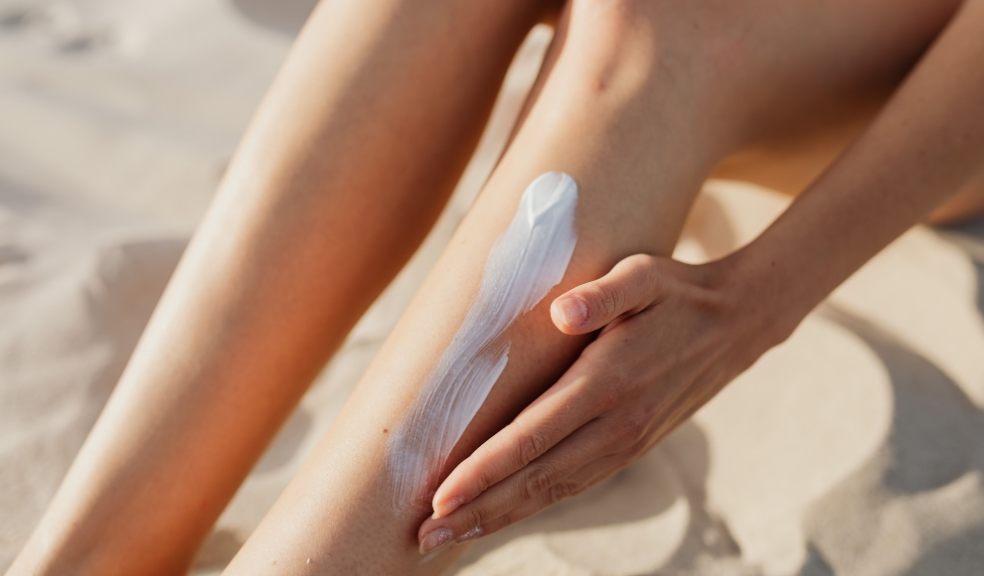
Sun cream is naturally in high demand during the summer as it is essential for protecting skin from harmful UV rays.
However, these creams can often leave a greasy white film that may stain coloured bedding, especially if the application was recent or hasn’t been absorbed into the skin properly. While your best bet for avoiding sun cream stains is by taking a bath or shower before bed, there are ways to eliminate sun lotion stains effectively if they become a problem.
A pre-treatment technique that can effectively tackle sun cream stains is washing-up liquid. Gently rub this into the stain at least 15 minutes before washing your bedding.
This will help break down the sun cream's oils and ingredients to minimise stains. As with sweat stains, you should apply a cold rinse, as this may encourage the stain to come out more easily.
Try turning the bedding inside out and rinsing the stained area with cold water from the back of the stain, as this helps to push the grease out of the fabric rather than deeper into it.
You can also soak the bedding in a vinegar solution by filling a bathtub with warm water and adding a cup of white vinegar. Submerge the stained area and let it soak for about an hour – the vinegar helps to break down the oils from the lotion further and neutralise any lingering residues.
Wash your bedding as usual using the highest possible heat setting and a biological laundry detergent. For extra cleaning power, add half a cup of baking soda to the wash cycle, as this will help lift stains and deodorise the fabric.
Check the affected area after washing it. Hopefully, the stain will have disappeared, but if any pigment remains, you may want to repeat the process. Once you’re sure that the stain has gone, air or tumble dry on a low-heat setting.
Fake tan stains
Using fake tan is one way to achieve a healthy glow during the summer, but it can yield unsightly stains that are extremely difficult to remove.
Before washing your bedding, check the stain carefully. If the fake tan is still wet, blot the excess with a clean cloth or paper towel. Avoid rubbing, as this can cause the stain to spread beyond the original spot. Fresh stains are typically easier to remove, whereas old stains may require multiple washes or more pre-treatments to eradicate them completely, so bear this in mind.
An effective pre-treatment for fake tan stains is an oxygen bleach soak, as it can provide a more intensive clean. However, only apply this if you have white bedding. Fill a bathtub with warm water and add oxygen bleach per the package instructions. Soak the stained area for at least 1-2 hours or overnight if the stain is severe.
After working your pre-treatment into the fabric, wash and dry according to your usual laundry routine with the recommended settings. As with other stains, the highest possible temperature is ideal for washing bedding, and air-drying is beneficial for both removing stains and keeping your bedding as fresh as possible.
Prevention is easier than removal when it comes to fake tan stains, so it’s a good idea to take preventative measures to avoid staining your bedsheets.
Be sure to let your fake tan fully dry before getting into bed to limit any potential transfer, and wear loose clothing to provide a barrier between your skin and your sheets. Ideally, use old bedding or put down towels over your bedding so that they bear the brunt of any stains instead of your regular bedding.