






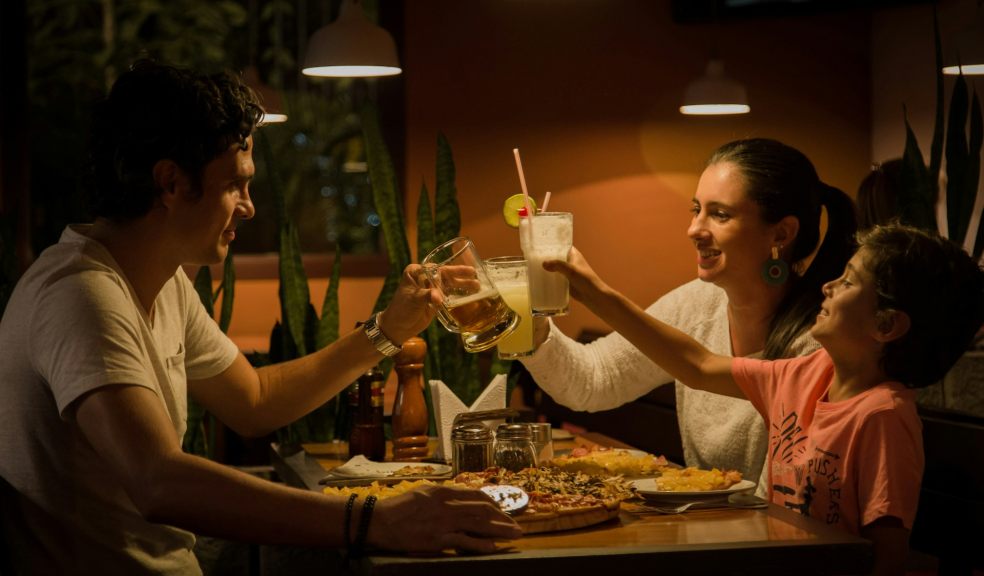
How to Make Dining Out With Young Children Easier
Eating out with your family should be a real treat, a chance to kick back, enjoy some tasty food, and actually talk to each other without worrying about the washing up. But let's be honest, when you've got little ones in tow, what should be a simple meal can sometimes feel more like a military operation. From trying to find a place that actually welcomes kids to dealing with a sudden tantrum, you might even wonder if staying home is just easier. The good news is, with a little planning, eating out with babies and toddlers can totally be a fun and relaxing experience for everyone.
Picking the Perfect Spot
First things first, picking the right restaurant is key to a happy family meal. "Family-friendly" should mean more than just having a kids' menu. It should also include thoughtful seating, enough space, and an environment that supports inclusive dining for families. Look for spots with a bit of buzz and noise, where your little one's chatter won't stick out like a sore thumb. A super quiet, fancy dining room probably isn't the best choice if your toddler has just discovered how much fun shouting is.
Think about space too. Can you easily fit a pushchair without blocking an aisle or a fire exit? Do they have high chairs, and do they look clean and sturdy? It's always a good idea to call ahead and ask. You can also check out the restaurant's website or some recent online reviews for clues. Keep an eye out for mentions of baby changing facilities in the loos, because a clean and safe spot for a nappy change is a must-have for most parents. Some places even have small play areas, which can be a lifesaver for keeping older kids busy. Searching for lists of kid-friendly restaurants in your area can give you a great head start and save you from a potentially stressful trial-and-error situation.
Timing Your Outings Right
One of the biggest secrets to a peaceful meal is working around your child's schedule. A tired or super hungry kid is just asking for trouble. If you have a baby, try to plan your meals around their naps. Newborns, especially, have sleep patterns that can seem totally random. One day they're wide awake, and the next you might find yourself wondering is it normal for a newborn to sleep this much. You can use those longer sleep stretches to your advantage. A baby happily sleeping in their pushchair at the start of a meal is a beautiful thing.
For toddlers and older kids, try to eat early. Booking a table for 5:30 pm instead of 7:30 pm usually means the restaurant will be quieter and your food will arrive faster. Your child will get fed before they hit that evening wall of exhaustion, and you'll be done before the main dinner rush even starts. This makes things less stressful for you, your child, and even the restaurant staff. Don't forget their snack schedule either. A small, healthy snack about an hour before you head out can take the edge off your hunger and stop a "hangry" meltdown while you wait for your food.
Packing Your Essentials
You don't need to pack for a week-long trip, but a well-organised bag of essentials can really save the day. The idea is to be ready for common situations without lugging around too much stuff. A great starting point is putting together a "dining out kit" that you can just grab and go.
Here are a few things you'll definitely want:
- Wipes, and then some more wipes. They're perfect for sticky hands, messy faces, and wiping down high chair trays that might not be sparkling clean.
- A portable bib. Silicone bibs with a little scoop at the bottom are brilliant for catching dropped food.
- Child-friendly cutlery and a sippy cup. Familiar items can help your child feel more comfortable and in control.
- Snacks. Bring a few of their favourite, low-mess snacks like rice cakes or breadsticks. They're great for keeping hunger at bay while you wait for your food and can be a backup if your little one decides they don't like anything on the menu.
- A changing mat and a couple of nappies. Even if the restaurant has changing facilities, having your own mat is always a good idea.
Keeping Babies Entertained
That wait between ordering and the food actually arriving can feel like forever to a little kid. This is where your entertainment plan comes in. The trick is to bring activities that are quiet, keep them busy, and won't make a huge mess. Forget glitter and tiny building blocks; think simple and contained.
For babies, a favourite teething toy or a soft, crinkly book can work wonders. For toddlers, sticker books or a magnetic drawing board is fantastic. A few small toy cars or animal figures can also get their imagination going without making too much noise. Try to introduce these items one at a time. That way, they'll seem more exciting and hold your child's attention for longer.
Don't forget how powerful simple interaction can be. Play a game of "I Spy" using the colours and things around the restaurant, or make funny faces. When you involve your child in the experience by talking about the food and what's going on, they'll feel more included and less likely to get restless. It might be tempting to hand over a phone or tablet, but try to save that as a last resort. Engaging with them directly first helps build better habits and makes the meal a more connected family experience.
Handling Unexpected Meltdowns
Even with the best plans, meltdowns can and do happen. A child might get overstimulated, tired, or just have an off day. When it happens, the most important thing is for you to stay calm. Your child will pick up on your stress, which will only make things worse.
Have an escape plan ready. It's often helpful for one parent to take the child outside for a walk and a change of scenery while the other stays to pay the bill or ask for the food to be packed up. Sometimes, all a child needs is a few minutes away from the noise and activity of the restaurant to reset. Distraction can also be a powerful tool. Pointing out something interesting outside the window or offering a special toy you saved for emergencies can sometimes stop a tantrum in its tracks.
There's no shame in cutting a meal short. If your child is truly inconsolable, the best thing to do is ask for the bill and a takeaway box. Trying to force a distressed child to sit through the rest of a meal is stressful for everyone. Remember that most people, especially other parents, are far more understanding than you think.
Eating out with your kids is a skill that gets better with practice. Don't let one tough experience put you off. Each time you go out, your child learns how to behave in different social settings, and you get better at figuring out what works. Before you know it, you'll be enjoying relaxed family meals as a regular part of your life.