




The Importance of Community Support in Boosting Public Health
Public health is a fundamental aspect of socio-economic development and quality of life. Promoting good health and well-being leads to longevity, improved productivity and happiness among the population. However, access to much-needed health services can be tricky - especially in remote or underprivileged communities. These are areas where community support is absolutely vital to improving public health. Let’s take a closer look:
Community-Based Addiction Interventions
Community support is often the first line of defence against substance abuse issues. Small, tight-knit communities often notice when one of their number is struggling with substances, and may well step in to help when needed. However, addiction is complicated, and community intervention without professional backup can go south very quickly – resulting in broken trust and fractured relationships. This is why organisations like the Perry Clayman Project are absolutely essential. They can work within communities to offer advice, support, and professional backup where needed. But these organisations are as reliant on their communities as their communities are on them. They need community backing and goodwill in order to survive.
Strengthening Mental Health
Community support is instrumental in enhancing mental health among the population. Isolation, loneliness and the absence of emotional support have been linked to an increased risk of health issues such as depression, anxiety and other forms of mental distress. In various instances, community support acts as a buffer against these conditions, lending emotional support and a sense of belonging, which significantly boosts mental health.
However, again, communities can’t perform this service all on their own. People are incredibly busy, and few of us have the time or the resources to reach out to everyone who needs it. So, initiatives like Men’s Sheds and facilities like youth centres, public pools, community halls, and so on provide an essential bridge between community support and long-term positive outcomes. They give people scope, the space, and the opportunities that communities would otherwise struggle to provide alone.
Supporting Maternal and Child Health
Healthy mums and babies are vital for a thriving community. Community support, through various activities such as child immunisation drives, mother and baby health education forums, and home visits by community health workers, has significantly improved maternal and child health indicators across the UK - but these indicators need sustained effort to stay as good as they are or (ideally!) to improve even further. With the current cost of living crisis, support for mothers and children in struggling communities is getting harder to provide.
As such, outreach, education, and direct service provided as a community initiative are critical levers to help mothers have healthier pregnancies and safe deliveries, and to give appropriate baby care.
Enhancing Disease Control
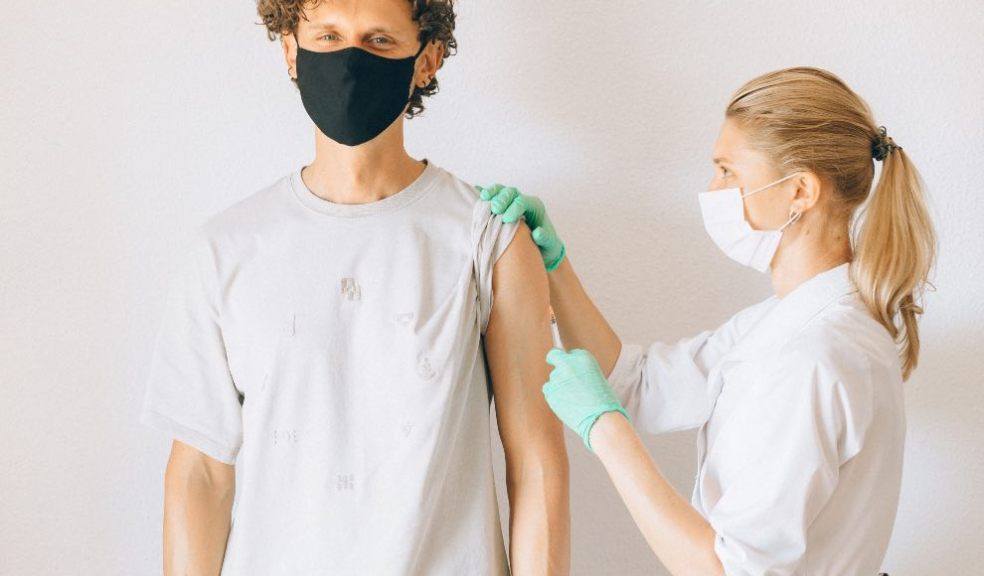
Public health education, awareness-raising about communicable diseases, and the promotion of hygiene are more successful when conveyed and implemented through community activities. For example, during Covid, communities played a crucial role in passing on vital information, encouraging disease prevention measures, and supporting those affected by the disease. Community organisations and self-help groups volunteered their time and resources to support the vulnerable individuals and families, and many smaller communities found that they had a much easier time during the pandemic as a consequence.
Conclusion
All in all, community support is a powerful tool in elevating public health, as evidenced by its multiple applications in mental health, maternal and child health, disease control and lifestyle choices. However, no community should bear this burden alone, and community initiatives are always at their best when supported by third-party initiatives and organisations. A collective approach, where every member contributes to the betterment of the other, supported by business, charities, and the government, is the driving force to a healthier society.