




Cycling and Pedestrian Safety: What Every Road User Should Know
Cyclists and pedestrians are among the most vulnerable people on the road, since neither has the protection of a vehicle body around them when something goes wrong. A small lapse in attention from a driver, or a rushed decision from a cyclist at a junction, can have consequences that a similar mistake between two cars simply wouldn't.
Reducing that risk matters for cyclists and pedestrians themselves, but it also matters for drivers who share the same roads every day. Small habits, from how a cyclist positions themselves near parked cars to how a pedestrian crosses a quiet street, make a bigger difference to safety than most people realise, and knowing what to do if a collision happens matters just as much as avoiding one.
What to Do If You're Involved in a Collision
Even careful road users can end up in a collision through no fault of their own, and knowing what to do afterwards makes a real difference to what happens next. Getting checked over by a paramedic or at a hospital matters even if an injury doesn't feel serious at first. Reporting the collision to the police and exchanging details with everyone involved, including witnesses, protects both sides if questions come up later. Once the immediate situation is dealt with, contacting personal injury solicitors can help someone work out what support they might be entitled to, particularly with time off work or ongoing treatment.
Why Cyclists and Pedestrians Face More Risk
Cyclists and pedestrians share the road with vehicles that are far heavier and faster than they are, so even a minor lapse from a driver can have serious consequences. Research tracking London cyclists found that most near misses happen during peak commuting hours and on roads without dedicated cycling infrastructure, pointing to junctions as the places where care matters most. Pedestrians face a similar pattern, since most incidents happen at crossings and junctions rather than open stretches of road.
Safety Steps for Cyclists
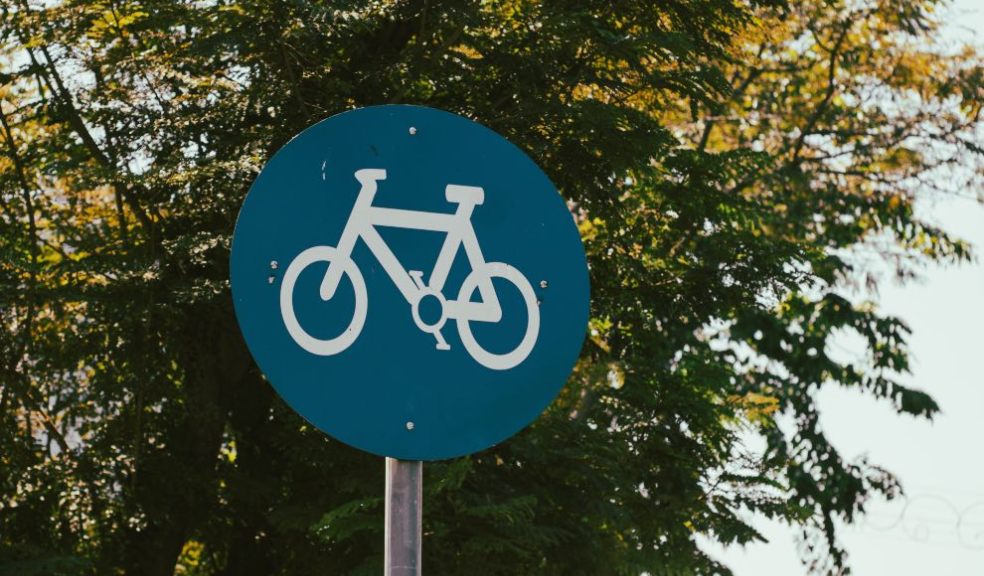
Cyclists can reduce their own risk with a few habits that cost nothing and take no extra time. Riding a little further out from parked cars, clear of any door that might open without warning, avoids a common cause of injury on quiet streets.
- Make eye contact with drivers at junctions before pulling out, ready to brake if there's no clear reaction
- Use front and back lights as light starts to fade, not only once it's fully dark
- Avoid passing lorries or buses on the inside, since their blind spots are much bigger than a car's
- Signal turns clearly and early, giving drivers behind time to react
Safety Steps for Pedestrians
Pedestrians can lower their own risk in similar ways, particularly around crossings and low light.
- Cross at marked crossings where possible, and wait for a clear gap even with the right of way
- Wear something reflective or light coloured after dark, since dark clothing makes it harder for drivers to react
- Keep phones away while crossing, since even a glance down can mean missing an approaching vehicle
- Make eye contact with drivers before stepping out, rather than assuming they've seen you
None of these habits guarantee complete safety, but consistent small choices from both cyclists and pedestrians make close calls far less common across busy roads.