






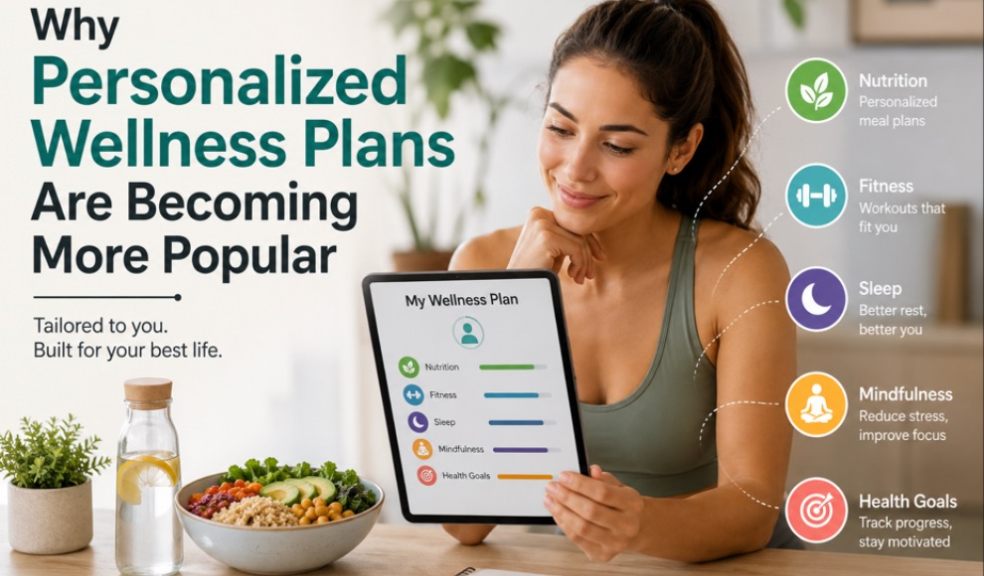
Why Personalised Wellness Plans Are Becoming More Popular
Health and wellness have never been more important than they are today. People are becoming increasingly aware that there is no universal solution for achieving better health, losing weight, or improving overall well-being. While traditional diet plans and generic fitness programs can provide helpful guidance, they often fail to address the unique needs of each individual. This growing awareness has fueled the popularity of personalized wellness plans.
Instead of following the same recommendations as everyone else, personalized wellness focuses on creating strategies that match an individual's lifestyle, goals, health conditions, activity level, and nutritional needs. As scientific research continues to improve our understanding of the human body, more people are discovering that customized health plans often deliver better and more sustainable results than one-size-fits-all approaches.
What Is a Personalized Wellness Plan?
A personalized wellness plan is a customized approach to improving health based on an individual's specific needs and circumstances. Rather than applying general advice to everyone, these plans consider factors such as age, body composition, medical history, daily routine, dietary preferences, stress levels, sleep quality, and fitness goals.
The objective is to develop healthy habits that fit naturally into everyday life. Because the plan is designed around the individual, it is often easier to follow consistently, leading to better long-term outcomes.
Why Every Person Is Different
No two people have the same body. Genetics, metabolism, hormone levels, physical activity, and even gut health influence how the body responds to food and exercise.
For example, one person may lose weight successfully with a higher-protein diet, while another may achieve better results with a Mediterranean-style eating pattern. Likewise, some people enjoy intense workouts, whereas others maintain better consistency with walking, cycling, or swimming.
Recognizing these differences has shifted the focus from generic programs to personalized solutions that respect individual needs.
Better Results Through Personalized Nutrition
Nutrition plays a central role in every wellness plan. Personalized nutrition helps people choose foods that align with their health goals while fitting their lifestyle and personal preferences.
Instead of eliminating entire food groups, customized nutrition plans encourage balanced eating habits that include lean proteins, fruits, vegetables, whole grains, healthy fats, and adequate hydration.
This flexible approach reduces the likelihood of feeling deprived and makes healthy eating easier to maintain over time.
Exercise Plans That Match Your Lifestyle
Exercise is another area where personalization makes a significant difference.
Some individuals enjoy strength training, while others prefer yoga, swimming, running, or group fitness classes. The most effective workout plan is often the one that a person genuinely enjoys and can continue long term.
Personalized fitness programs also consider factors such as age, previous injuries, physical limitations, and available time, making exercise safer and more sustainable.
Sleep and Stress Are Essential Components
Modern wellness is about much more than food and exercise.
Poor sleep affects energy levels, concentration, hormone balance, and appetite regulation. Chronic stress can increase emotional eating while making healthy decision-making more difficult.
Personalized wellness plans often include recommendations for improving sleep quality, managing stress, and supporting mental well-being alongside physical health.
Simple strategies such as maintaining a consistent sleep schedule, practicing mindfulness, and taking regular breaks during the day can significantly improve overall wellness.
Technology Is Driving Personalized Health
Advances in technology have made personalized wellness more accessible than ever before.
Fitness trackers, smartwatches, mobile health apps, and wearable devices allow individuals to monitor physical activity, heart rate, sleep quality, and daily habits. Many healthcare providers also use digital tools to monitor progress and adjust wellness recommendations based on real-time information.
Artificial intelligence and health data analysis are helping create increasingly accurate recommendations that match individual health profiles.
Scientific Research Continues to Expand Wellness Options
Medical research continues to improve our understanding of metabolism, appetite regulation, and long-term weight management. Scientists are exploring innovative therapies that may complement healthy lifestyle habits for individuals facing obesity or metabolic challenges. One emerging area of interest is Reta Peptide GLP 3, which is currently being studied for its potential role in supporting appetite regulation and metabolic health. Although research is ongoing, these developments highlight how personalized medical care may work alongside balanced nutrition, regular exercise, and healthy daily habits in the future.
Small Habits Create Lasting Success
One reason personalized wellness plans are becoming more popular is their emphasis on sustainable habits instead of temporary changes.
Healthy routines such as preparing meals at home, drinking enough water, walking daily, getting adequate sleep, and managing stress are easier to maintain when they fit naturally into an individual's schedule.
Rather than pursuing perfection, personalized wellness encourages gradual improvements that become lifelong habits.
Benefits Beyond Weight Loss
While many people begin their wellness journey to lose weight, personalized health plans offer many additional benefits.
These include:
- Increased energy throughout the day
- Improved heart health
- Better blood sugar management
- Enhanced mental well-being
- Stronger muscles and bones
- Better sleep quality
- Improved confidence
- Reduced risk of chronic disease
These benefits contribute to a healthier and more balanced lifestyle.
The Future of Wellness Is Personal
Healthcare professionals increasingly recognize that successful health improvement depends on understanding the individual rather than applying the same recommendations to everyone.
As technology advances and scientific knowledge grows, personalized wellness plans will likely become even more precise, helping people achieve healthier lives through customized nutrition, fitness, behavioral coaching, and evidence-based medical support.
Conclusion
Personalized wellness plans are becoming more popular because they recognize that every individual has unique health needs, goals, and lifestyles. Instead of relying on restrictive diets or generic exercise programs, personalized wellness focuses on creating realistic habits that support long-term success.
By combining balanced nutrition, regular physical activity, quality sleep, stress management, and individualized guidance, people can achieve meaningful improvements in both their physical and mental well-being. As research continues to evolve, personalized wellness is expected to play an increasingly important role in helping individuals build healthier, happier, and more sustainable lifestyles.