






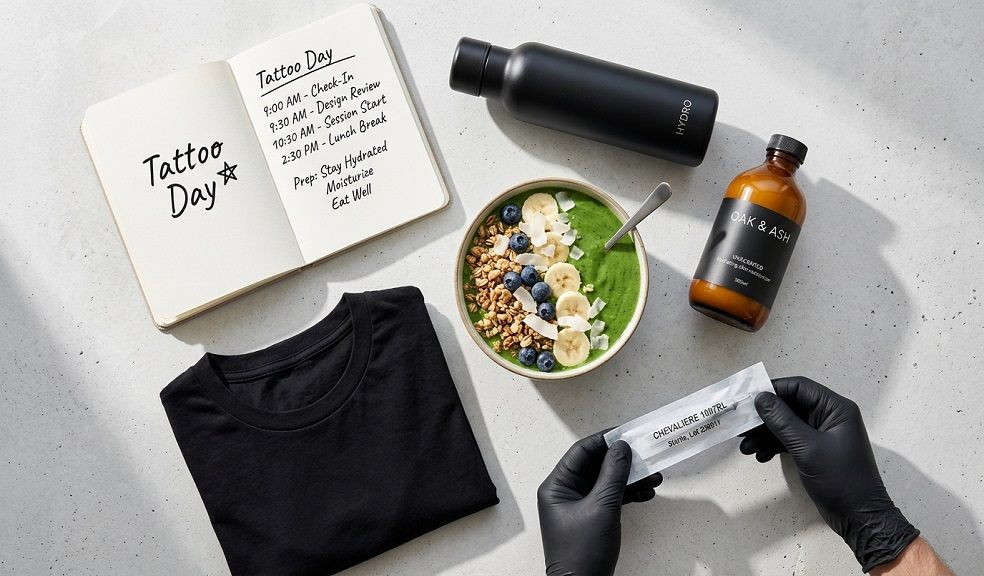
10 Ways to Prepare for a Tattoo Appointment and Get the Best Results
Getting a new tattoo is exciting, especially when you have spent weeks—or even months—choosing the perfect design. But finding an artist and deciding what you want inked on your skin are only part of the process. What you do before your appointment can also affect your overall tattoo experience. Preparing properly can make a long session considerably more comfortable while helping your tattoo artist work with skin that is in good condition. Whether you’re sitting for your first small tattoo or preparing for a much larger piece, a little planning can go a long way. Here are ten things worth doing before your next tattoo appointment.
1. Get a Good Night’s Sleep
It might be tempting to stay out late the night before your appointment, particularly if you’re excited or nervous. However, arriving exhausted isn’t the best way to begin a tattoo session. Tattoo appointments can require you to remain relatively still for several hours, and being well-rested can make that experience much easier. Try to have a normal, relaxing evening and get plenty of sleep. You’ll probably appreciate the extra energy if your tattoo takes longer than expected.
2. Eat Before Your Appointment
Don’t turn up for your tattoo on an empty stomach. Your body is about to experience several hours of repeated needlework, so this isn’t an ideal time to skip breakfast or lunch. Have a proper meal before leaving home; something balanced and filling is generally preferable to surviving on coffee and snacks. For longer sessions, consider bringing a small snack with you as well. Ask your artist beforehand whether food is allowed in the studio or whether there is somewhere you can eat during a break.
3. Stay Hydrated
Good hydration is another simple part of tattoo preparation that people sometimes overlook. Drink water normally in the days leading up to your appointment and bring a bottle of water with you if the studio allows it. There’s no need to drink excessive amounts immediately before your session. The goal is simply to arrive comfortably hydrated rather than thirsty after barely drinking anything all day.
4. Look After the Skin Being Tattooed
Your tattoo artist needs to work directly on your skin, so its condition matters. Avoid deliberately tanning or allowing the area to become sunburned before your appointment. Tattooing irritated, damaged, or peeling skin may not be possible, and your artist could ask you to reschedule. Moisturising the area regularly in the days before your appointment can also help keep your skin in good condition.
5. Don’t Shave the Area Unless Your Artist Tells You To
You might assume you’re helping your artist by shaving the tattoo area at home, but sometimes you’re not. Shaving incorrectly can cause razor burn, cuts, or irritation. Your tattoo artist is accustomed to preparing skin and can usually remove any necessary hair safely before beginning. Ask the studio in advance if you’re uncertain. If they want you to shave beforehand, they can tell you exactly how they would prefer you to prepare.
6. Wear the Right Clothes
Fashion shouldn’t be the priority on tattoo day. Accessibility and comfort should. Think about exactly where you’re being tattooed. Having your thigh tattooed? Loose shorts may be more practical than tight jeans. Getting a shoulder piece? Wear something that allows the artist to reach your shoulder easily. For a back tattoo, choose clothing that can be moved without constantly getting in your artist’s way. There’s another reason not to wear your favourite outfit: tattoo sessions can be messy. Ink, stencil products and other materials may come into contact with your clothes, so wear something comfortable that you won’t be devastated to stain.
7. Prepare For the Discomfort
There’s no universal answer to the question, “How much will my tattoo hurt?” Everyone experiences a tattoo differently, and factors such as placement, tattoo size, session length, and individual sensitivity can all shape the experience. Certain areas of the body can feel more sensitive during a tattoo than others, so the location of your design can make a noticeable difference to the overall experience. If discomfort is something you’re thinking about ahead of your appointment, numbing cream for tattoos is also an option you may consider as part of your preparation.
8. Bring Something to Keep Yourself Occupied
A ten-minute tattoo probably doesn’t require entertainment, but a four-hour session is another story. Depending on the tattoo’s location and your artist’s working style, you might be able to listen to music, a podcast, or an audiobook. Some people watch videos on their phones during longer sessions, so bringing headphones and making sure your phone is charged can be worthwhile. Just remember that your entertainment shouldn’t interfere with the artist.
9. Plan Your Schedule After the Tattoo
Try not to squeeze your appointment between several other commitments. Tattoo sessions don’t always finish at the exact predicted time. The artist may need extra time for positioning, stencil adjustments, breaks or final details, and you’ll also leave the studio with a fresh tattoo that needs appropriate care. If possible, keep the rest of your day relatively simple. Heading directly from a lengthy tattoo session to an intense workout, swimming pool, or crowded night out isn’t ideal. Giving yourself some breathing room makes the entire experience less stressful.
10. Know Your Aftercare Plan Before You Leave
Tattoo preparation shouldn’t end when the machine stops. A fresh tattoo needs to heal, and what you do during the following days and weeks matters. Your artist should explain how to care for the tattoo and may provide written instructions. Pay attention even if this isn’t your first tattoo, as different artists may use different dressings and recommend slightly different routines. Ask questions if anything is unclear, including when to remove or replace the dressing, how to clean the tattoo, what products your artist recommends, and which activities you should temporarily avoid. Most importantly, follow the aftercare instructions provided by your tattoo professional.
Preparation Makes Tattoo Day Easier
A tattoo may last a lifetime, but the appointment itself is only a small part of the journey. Arriving rested, fed, hydrated, and properly prepared can help you feel more comfortable and allow your artist to concentrate on producing the best work possible. If discomfort is something you’re concerned about, you may also consider using a Tattoo Numbing Cream before your session to help make the experience more manageable.
Don’t be afraid to communicate with your tattoo artist either. Whether you’re worried about pain, unsure what clothing to wear, or have questions about preparing your skin, being prepared is always better than guessing. Plan and give your new tattoo the care it deserves. Then comes the difficult part: deciding what you’re getting tattooed next.