






Healthy Living Starts at Home
Our homes are much more than just a place to sleep; they are the foundation of our daily well-being. The environment we wake up in and return to each day has a profound effect on our mood, stress levels and overall health. Creating a home that actively supports a healthy lifestyle doesn't need to be a huge, expensive project. With a few thoughtful adjustments, you can transform your living space into a sanctuary that nurtures both body and mind.
The Impact of Home on Health
The connection between our living space and our health is deeper than many of us realise. A cluttered, disorganised home can contribute to feelings of stress and anxiety, making it difficult to relax, much like an app can help in developing healthy habits. Conversely, a clean and orderly environment can promote a sense of calm and control. When you optimize your living space for wellness, you're not just tidying up; you're creating a supportive backdrop for your life. This can involve anything from decluttering surfaces to organising storage so that everything has its place. The goal is to reduce visual noise and create an atmosphere that feels restorative rather than draining.
Creating a Calm Bedroom Space
Nowhere is the link between environment and health more important than in the bedroom. This should be your sanctuary, a place purely for rest and rejuvenation. To make it as calming as possible, start by removing any clutter or items that don't belong, such as work documents or exercise equipment.
Consider your colour palette. Soft, muted tones like gentle blues, greens and earthy neutrals are known to have a soothing effect. It's also vital to control light. Blackout curtains or blinds can significantly improve sleep quality by blocking out streetlights and early morning sun. Finally, try to establish a no-screen rule for at least an hour before bed. The blue light from phones and tablets can interfere with your body's natural sleep cycle, so creating a tech-free zone is a simple but powerful step towards better rest.
Air Quality and Natural Light
The air we breathe and the light we see indoors have a direct impact on our physical health. Poor indoor air quality can be caused by dust, mould and chemicals from cleaning products, leading to allergies and respiratory issues. Improve ventilation by opening windows daily, even for just 10-15 minutes, to allow fresh air to circulate. Introducing houseplants like snake plants or peace lilies can also help purify the air naturally.
Maximising natural light is just as crucial. Sunlight helps regulate our circadian rhythms, boosts mood and provides essential Vitamin D. Keep windows clean and curtains pulled back during the day. If a room is naturally dark, a well-placed mirror can help bounce light around the space, making it feel brighter and more open. For more ideas, you can find many expert tips for a healthier home that cover everything from ventilation to non-toxic materials.
Modern Home Design for Wellness
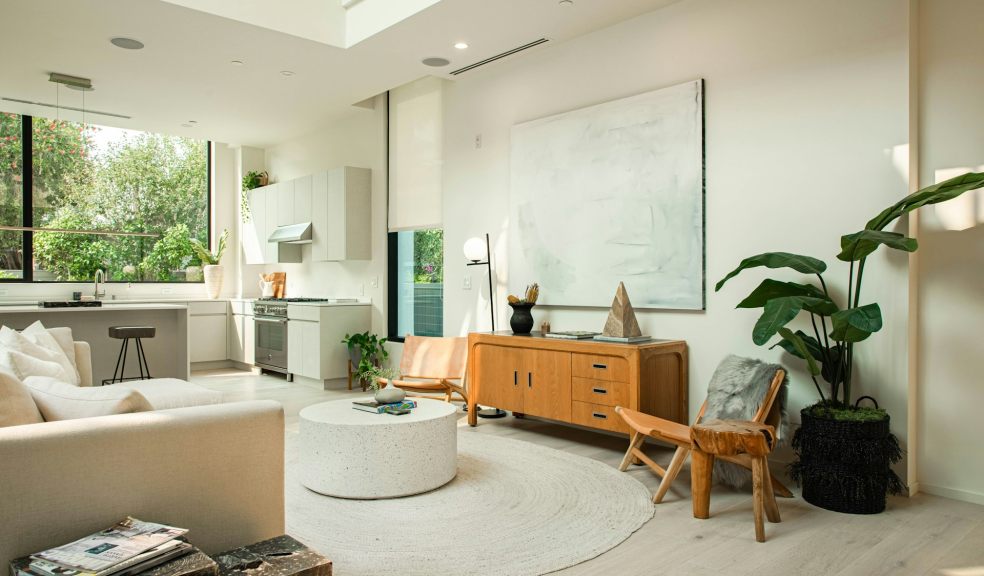
Modern architecture and interior design are increasingly focused on creating spaces that enhance our well-being. Features that were once considered luxuries are now becoming standard in thoughtful home design. This includes things like large windows that flood rooms with natural light, open-plan layouts that encourage social connection and flexible spaces that can adapt to your needs, whether for work, exercise or relaxation. Many modern new build homes are now designed with these principles in mind, focusing on creating bright, airy and functional spaces that support a healthy lifestyle from the ground up. Energy-efficient construction not only lowers bills but also often results in better insulation and air quality, contributing to a healthier indoor environment.
Embracing Communal Green Spaces
A healthy home extends beyond your four walls. Access to green space is incredibly beneficial for both mental and physical health. Having a park, a communal garden or even just a tree-lined street nearby encourages you to get outside, move your body and connect with nature. Studies have shown that spending time in green spaces can reduce stress, improve mood and boost concentration. If you have a private garden or balcony, nurturing a few plants can be a rewarding and therapeutic activity. For those in flats or urban areas, seeking out local parks or shared community gardens provides a vital link to the natural world and a chance to connect with neighbours.
Taking steps to make your home a healthier place is an investment in yourself. It doesn't require a complete renovation; even small, intentional changes can create a space that helps you feel more relaxed, rested and positive every day.