Sustainable Home Choices: Investing in Lasting Quality
A sustainable home should stand up to daily life for years, not need constant replacement whenever a finish chips or a trend fades. That makes quality a practical consideration as much as an environmental one.
The best choices often begin with a close look at materials, construction and repairability. Price still matters, of course, but the cheapest item at the till may become expensive if it needs replacing within a few years. Thinking in terms of lifespan helps you create a home that feels personal, functions properly and produces less waste over time.
Why Durability Matters
Every household surface and item faces a different kind of wear. Kitchen worktops deal with heat and spills, bathroom furniture meets moisture and sofas must withstand repeated use. Durable design starts with matching each material and construction method to the demands of its setting.
Look beyond appearance when comparing products. Drawers should open smoothly without twisting, joints should feel solid and protective finishes need to suit the room. Guidance on quality renovation materials highlights how material choices affect performance and the long-term success of a project.
A few questions can reveal more than a polished product photograph:
- Is the surface suitable for heat, water or direct sunlight?
- Can individual hinges, handles or panels be repaired or replaced?
- What care does the manufacturer recommend?
- Does the guarantee cover the item for a meaningful period?
- Will the design still work if your storage needs change?
Durability also depends on maintenance. Timber may need occasional refinishing while stone surfaces could require sealing. These tasks don’t make a material less sustainable. A small amount of planned care can add years to its useful life and prevent the disruption of premature replacement.
Keep product instructions and record paint colours, finish names and spare-part details. If damage occurs five years later, that simple file could help you repair one component instead of removing an entire fitted unit.
The Appeal of Natural Materials
Natural materials bring visible grain, texture and variation into a room. Timber develops character as it ages, while stone has markings that make every slab distinctive. These qualities can help a home feel warm and individual without relying on decorative trends.
Material origin still matters. Wood should come from responsibly managed sources and its finish must be appropriate for the intended space. Stone is durable and can remain in use for decades, although its transport, extraction and installation all contribute to its overall environmental impact. The case for natural stone at home rests largely on longevity, low maintenance and the possibility of reusing it.
Bathrooms show why suitability is so important. A well-made oak vanity unit can combine natural character with storage tailored to the household, but its dimensions, finish, worktop and placement should all suit a moisture-prone room. Measuring plumbing positions and allowing clearance for doors and drawers will prevent awkward surprises during installation.
Before buying any natural material, request a sample and view it in the room at different times of day. Artificial lighting can alter the appearance of wood tones and stone veining. You should also ask how the material responds to water, cleaning products and temperature changes.
Variation is part of the appeal, so expect a finished item to differ slightly from a small sample. That individuality often allows natural materials to age more gracefully than highly uniform finishes, where a minor scratch may be much more obvious.
Reducing Waste with Bespoke
Made-to-measure furniture can cut waste at two points: during production and throughout the item’s life in your home. A piece designed for a particular space avoids the need for filler panels, extensive alterations or the replacement of furniture that never worked properly.
Good bespoke design begins with accurate information. Measure the available width, depth and height in several places because floors and walls aren’t always perfectly level. Mark sockets, pipes, skirting boards and door swings. For bathroom or kitchen furniture, note where the plumbing enters and leave enough access for future servicing.
Next, identify what the unit needs to hold. Deep drawers may suit folded towels and bottles, while shallow compartments can keep smaller toiletries visible. In a hallway, adjustable shelves could accommodate changing combinations of shoes, bags and household supplies. A useful interior usually extends the life of the furniture because it can adapt as routines change.
There can still be offcuts in custom production, so ask the maker how materials are planned and used. Some workshops turn suitable remnants into drawer dividers, shelves or samples. You can also reduce avoidable mistakes by approving final dimensions and finishes only after checking physical samples.
Bespoke isn’t automatically the lowest-impact option. Complex designs involving many mixed materials may be difficult to repair or recycle. Simple construction, replaceable fittings and accessible fixings often make a better long-term choice. Useful principles of sustainable interior design include longevity, responsible sourcing and careful consideration of what happens at the end of a product’s useful life.
Local Craftsmanship Benefits
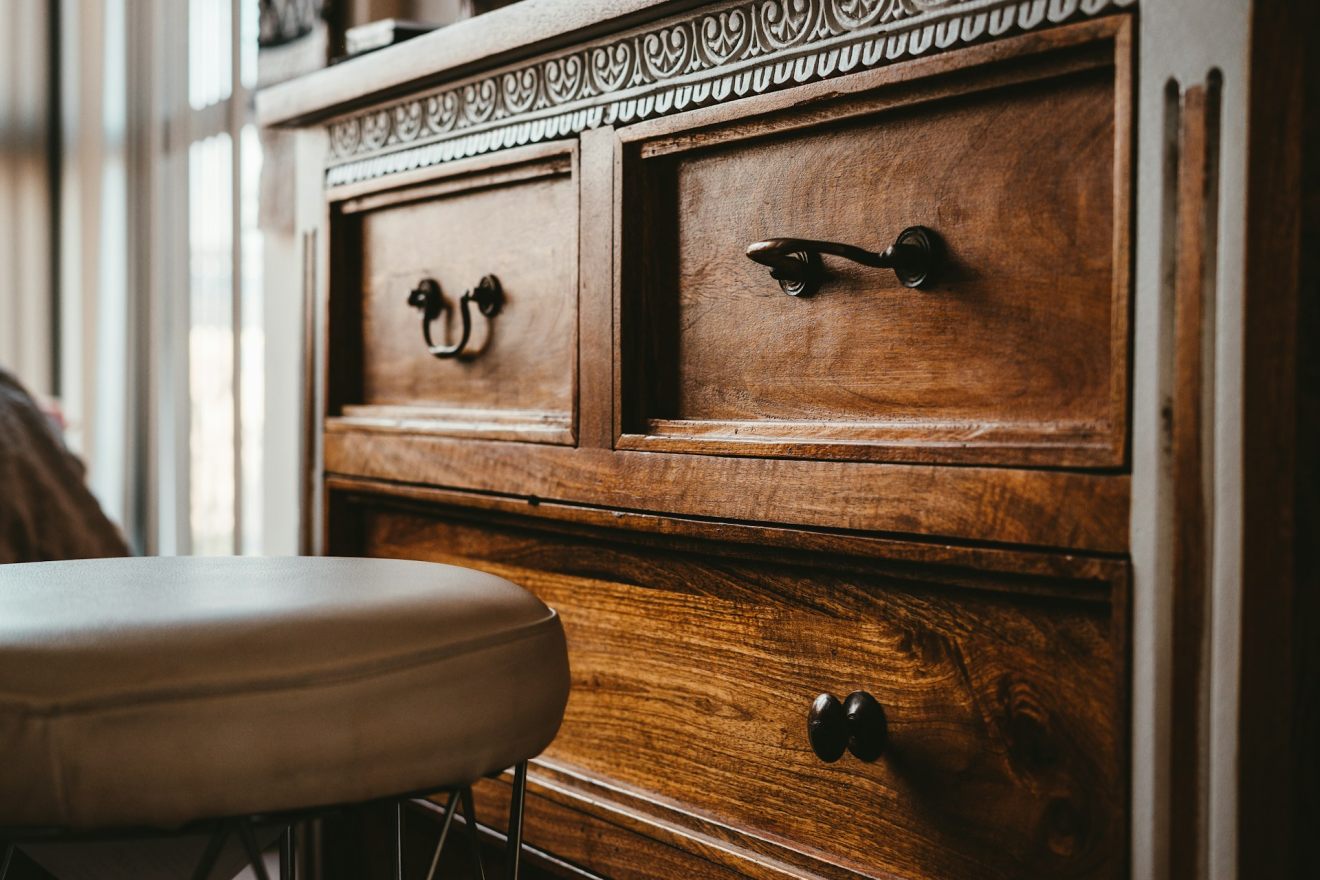
Buying from a nearby maker gives you a chance to understand how an item is constructed and where its materials come from. You may be able to visit a workshop, inspect samples and discuss practical details directly with the person responsible for production.
Shorter transport distances can be beneficial, particularly for heavy furniture. Yet distance alone doesn’t tell the full story. A local product made from poorly sourced materials and designed for a short life may have a greater impact than a durable item transported from farther away. Ask specific questions about sourcing, finishes, expected lifespan and repair services.
Local craftsmanship can offer several practical advantages:
- Measurements and awkward architectural features can be discussed clearly
- Finishes may be matched to existing furniture or room colours
- Replacement handles, hinges or drawer fronts may remain available
- Repairs could be completed without shipping a bulky item long distances
- Your purchase supports specialist skills and employment
Clear communication helps the project run smoothly. Bring photographs, dimensions and examples of finishes you like, then explain how the room is used. A family bathroom has different storage demands from a compact cloakroom, just as a busy dining table needs a tougher surface than an occasional side table.
Agree on the specification in writing, including dimensions, materials, finish, fittings, cost and delivery timing. Ask what happens if site measurements change or walls prove uneven during fitting. These conversations may feel detailed, but they protect both sides and lower the chance of materials being wasted through preventable errors.
Skilled makers can also advise when a repair makes more sense than a replacement. That ongoing relationship is valuable once the first signs of wear appear.
Long-Term Value Over Trends
Trends can introduce fresh ideas, but they shouldn’t dictate every permanent element of a home. Replacing tiles, cabinetry or flooring is costly and disruptive, so these features benefit from colours and materials you genuinely enjoy. Smaller objects provide an easier place to experiment.
Separate a room into long-life elements and flexible layers. Flooring, fitted furniture and worktops sit in the first group. Paint, cushions, lampshades, artwork and handles belong in the second. If your tastes change, updating the flexible layer gives the room a different mood without sending sound materials to waste.
This principle also helps you assess cost; divide the purchase price by the number of years you realistically expect to use an item, considering factors like the durability of glass splashbacks. A £1,200 table kept for 20 years costs £60 per year, while a £400 table replaced every four years costs £100 per year before delivery and disposal are considered.
Residential design is already placing more emphasis on material performance, energy use and responsible sourcing. An overview of sustainable building materials shows how options such as reclaimed products and lower-impact materials are influencing home design. Claims still need scrutiny, as labels such as ‘eco’ can be vague without evidence about origin, composition or lifespan.
Set a personal buying rule for major purchases. You might require replaceable parts, a minimum guarantee and clear care instructions. For furniture, inspect joints and hardware. For surfaces, ask to see examples that have been used for several years. Real signs of ageing tell you more than a pristine showroom sample.
A lasting home develops gradually. Before the next renovation purchase, write down how the item will be used, what maintenance it needs and which parts can be repaired. Those details offer a far better guide than the latest colour forecast and help ensure the finished room remains useful long after its first photographs are taken.