Transform Your Living Room Into a Personal Wellness Retreat
A living room can support rest and recovery without losing its everyday purpose. A few deliberate changes to layout, lighting and comfort can create a personal wellness retreat that still works for reading, chatting and watching television.
Start with the features that affect how the room feels and functions, then add sensory details gradually. The result should suit your routine, available space and preferred way to unwind.
Define Your Retreat Vision
Decide what you want to do in the space before buying anything. Your retreat might support quiet reading, gentle stretching, meditation or simply 20 minutes of uninterrupted rest after work. Choose one primary purpose and identify the furniture or floor area it needs.
Take inspiration but tailor them to your household. A shared living room may need a relaxation corner that can be reset quickly. Try placing a comfortable chair beside a lamp, storing a folded blanket in a basket and keeping a small side table clear for tea or a book. This gives the retreat a defined boundary without requiring a separate room.
Colour Palettes for Calm
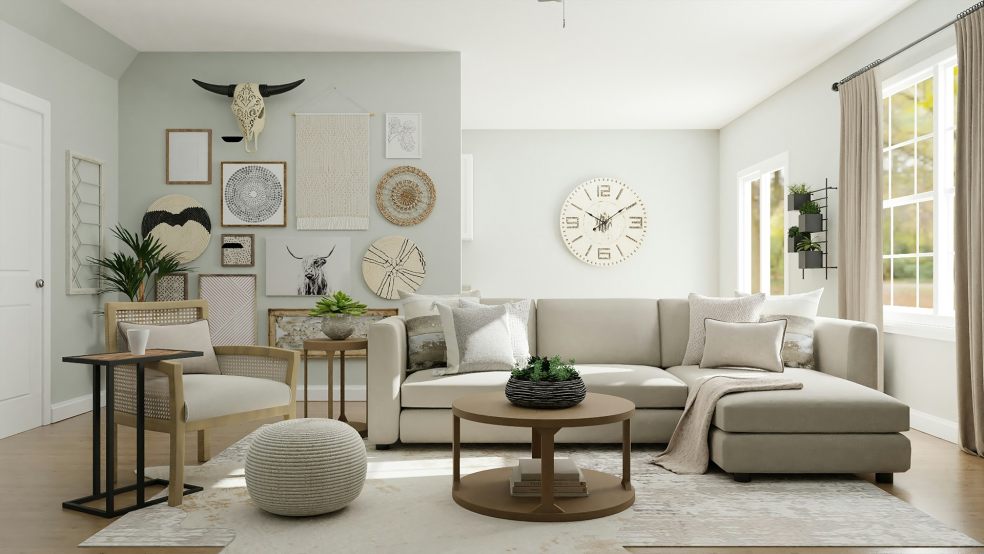
Use two or three related colours to create a settled, coherent atmosphere. Soft greens, warm greys, muted blues and earthy neutrals work well because they’re easy to combine with wood, linen and natural textures. Test paint samples at different times of day, since a grey that looks cool in morning light may appear warmer under lamps.
You don’t need to redecorate the entire living room. Introduce your chosen palette through cushion covers, curtains, a rug or a throw. Keep highly patterned items to one or two areas so the room doesn’t feel visually busy. If the existing walls are bold, repeat one quieter shade from them across smaller accessories to tie everything together.
Ergonomics and Comfort Seating
Choose seating that supports your back, shoulders and legs in the position you use most often. Your feet should rest comfortably on the floor or a footstool, while cushions should support you without pushing your head forwards. Sit in a chair for at least 10 minutes before deciding whether it feels right.
For a more dedicated relaxation set-up, the collection from Osim offers massage chairs designed for home wellness, comfort and stress reduction. Measure the intended spot first, including the space needed around the chair when it reclines. In a smaller room, angle your main seat towards a window or uncluttered corner. This creates a calmer view and keeps the retreat feeling separate from household activity.
Add Soothing Scents and Sounds
Build the sensory side of your retreat slowly. One subtle fragrance is usually enough for a living room. A reed diffuser, scented candle or bowl of dried lavender can work, though homes with pets, children or fragrance sensitivities may be better suited to fresh air and unscented greenery. Never leave candles unattended.
Sound also shapes how quickly you settle. Create a 20 to 30-minute playlist featuring quiet instrumental music, rainfall or woodland sounds, then keep the volume low enough that it fades into the background. A soft rug and lined curtains can reduce echoes in rooms with hard flooring.
Minimising Digital Distractions
Give phones, tablets and remote controls a fixed home away from your relaxation seat. A drawer, lidded box or charging station across the room adds enough distance to stop automatic scrolling. Turn off non-essential notifications before your planned rest period and set a simple timer if you need to return to another task.
Televisions can remain part of the room without becoming its visual focus. Close a media cabinet, use a screen saver with subdued imagery or arrange chairs so they don’t all point directly at the screen. Keep your retreat supplies ready in one basket, including a book, blanket and headphones, so relaxation doesn’t begin with searching for things to create a cosy retreat.
Once the space is set up, test it for a week and notice what you actually use. The best final adjustment may be as small as moving a lamp closer to your chair or removing one distracting cushion.