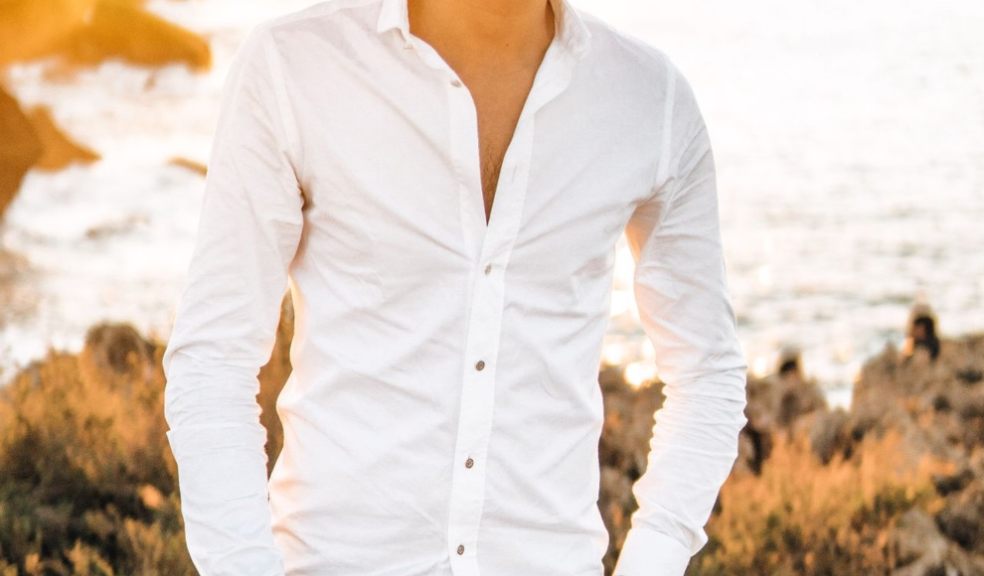
From the '70s to the '90s: Iconic Looks Every Man Can Wear Today
Style is always in swing. What was cool once almost always comes back around, but there are some pieces that are so timeless, they never fall out of fashion.
Between the ‘70s and the ‘90s there was no shortage of iconic looks. British menswear went through the hippie movement, punk, new-romantic renaissances and Mod revivals. Here’s how the style changed across three decades, and a piece that still works today.
Punks, hippies and the Mod revival
From free love to anti-fascist ferocity, the 1970s in the UK started in flares and finished in safety pins.
Hippies and punks
When the ‘70s kicked off, hippie style was still going strong. Think long hair, loose fits, flowing prints and wide collars. It was relaxed and colourful, but a little too ‘far out’ to stand the test of time.
Then, in around the mid ‘70s, punk popped up to push peace and love out of the spotlight. Dressed in torn t-shirts and safety pins, the punks literally ripped the status quo apart. The clothes they wore were designed to shock, to challenge the establishment. While they were successful in this, the punks also burned too bright to last. By the end of the ‘70s, a lot of young men were keen to move back to something a little sharper.
The Mod revival
Casting their eyes back to the ‘60s, a new generation fell in love with the sharp lines and smart tailoring of the Mods. The revival of 1978–1979 brought back slim trousers, Sta Prest trousers, loafers and the fishtail parka. Quadrophenia, released in 1979, put the look on the big screen, while the Jam gave Mod style a soundtrack.
At the centre of the Mod revival was the button-down shirt. With its slim silhouette and sharp, neat collar, this piece was the same style of vintage shirts men had worn on Carnaby Street in the ‘60s. The button-down became an incredibly versatile foundational piece of the revival. Only now, it came in bolder checks and paisleys.
What happened in the ‘80s?
The Mod look made it into the ‘80s, but it had to toughen up. With recession and unemployment, British style got harder, taking on a more practical edge. Boots got heavier and braces came back.
The next big shift was 2-Tone dressing. Starting in the ‘70s but peaking in the ‘80s, this style took Mod tailoring and added a pinch of the Jamaican rude boy look. Tonic suits with that two-coloured sheen played their part but they were still built around the button-down. The black-and-white check became the movement’s calling card, while the ‘2 Tone’ record label carried the look and the sound across the country.
At the other end of the decade and style spectrum sat Glam Metal. Increasingly popular in America, the big hair, spandex and leather clashed with the distinctly British Mod and 2-Tone look.
Britpop and the ‘90s
Revivals and reactions usually go hand-in-hand, and glam metal’s brief stint at number 1 was quickly disrupted by America’s obsession with grunge. Excess gave way to oversized flannel, ripped denim and a low-energy, low-effort look.
But once again, across the pond tastes differed. Britpop contrasted Grunge’s moody pessimism with a newfound pride and confidence. Instead of hiding in the folds of shapeless flannels, Britain backed the sharp button-down, the iconic Harrington jacket, parkas and desert boots. Oasis and Blur made the look mainstream again.
Grunge was about looking like you didn’t care. Britpop was about looking sharp without trying too hard. That’s what the button-down was made for, and in the ‘90s this timeless piece enjoyed yet another decade of popularity.
Why the button-down still works
The button-down made it through the Mods, their revival, 2-Tone and Britpop, without major redesigns or overhauls. And it lasts today for the reason it always has:
The fit: A clean, slim cut that looks smart without any fuss.
Comfort: Soft cotton and a practical shape help the button-down sit comfortably throughout the day.
Versatility: Dress it up or down. With a suit, it’s smart; with jeans, it’s casual.
How to style it today
Smart-casual: A check button-down with Sta Prest trousers and loafers.
Summer: Short-sleeve gingham, worn open over a plain white tee.
Statement: Paisley or polka dot under a Harrington, letting the jacket calm the print down.
Office: A white or blue Oxford with a blazer and no tie. That collar stays neat on its own.
Trends come and go, but nearly 50 years on from the Mod revival, the button-down is still one of the easiest ways to look put together. Not bad for a shirt from the ‘60s.