






Air-to-Air Heat Pumps: How Much Do They Cost to Install and Run?
Heating and cooling bills are on most households’ minds, and one piece of kit keeps coming up in the conversation: the air-to-air heat pump. It is the same technology as the air conditioning units many of us associate with holidays abroad, only it works in both directions. In summer it moves heat out of your home. In winter it pulls warmth from the outside air and brings it in.
The big question is the one every homeowner asks first: what does it actually cost? Here is a plain-English breakdown.
What is an air-to-air heat pump?
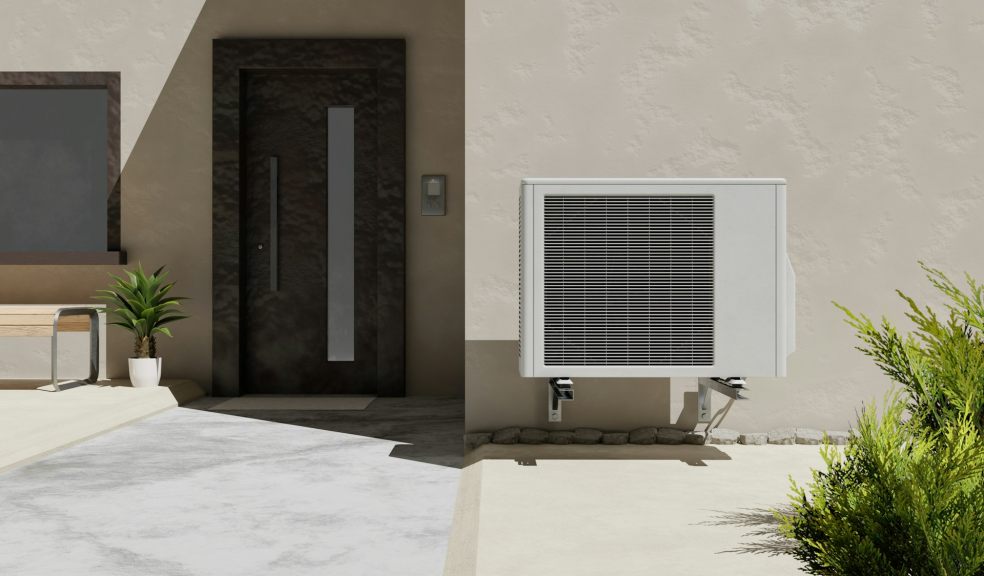
An air-to-air heat pump has an outdoor unit and one or more indoor units mounted on a wall, floor or ceiling. It does not use radiators or a hot water cylinder. Instead, it heats or cools the air in the room directly.
That makes it very different from an air-to-water system, which feeds your radiators and hot water. Air-to-air units are usually cheaper to fit, quicker to install and far less disruptive, which is why they are popular for flats, extensions, loft conversions and home offices.
What you can expect to pay
Prices vary by region, the size of the room and the brand, but the main drivers are consistent:
- Number of rooms. A single-room system is the cheapest way in. Every extra room adds an indoor unit, so the total climbs, although the cost per room usually falls with a multi-split system.
- Output (kW). A small bedroom needs far less power than an open-plan living space. Buying more capacity than you need wastes money, and too little leaves you cold.
- Brand and design. Premium wall units from well-known makers cost more than standard ranges. Slimline and floor-standing designs sit at the higher end.
- Pipe runs and access. The further the indoor unit is from the outside unit, the more pipework, labour and time the job takes.
- Electrics. An older consumer unit sometimes needs upgrading before a new circuit can be added.
As a very rough guide, a single fitted room in the UK commonly lands somewhere between the low £1,000s and the mid £3,000s, depending on the points above. A two or three room system costs more overall, but each room tends to work out cheaper. Whole-floor ducted systems are a different league and can run well into five figures.
If you want a worked breakdown by number of rooms, with typical fitted prices and what pushes them up or down, this guide to air-to-air heat pump costs from London installer Aircova is a useful place to start before you collect quotes.
What about running costs?
Running costs are where heat pumps earn their keep. A heat pump does not create heat by burning anything or by pushing electricity through a heating element. It moves heat that already exists. As a result, a good system typically delivers roughly three to four units of heat for every unit of electricity it uses.
Compare that with a panel heater or a traditional storage heater, which turn each unit of electricity into about one unit of heat. Over a winter, that gap can add up, particularly in rooms you use for many hours a day.
Your actual bill will still depend on your tariff, how well insulated the room is and how long you run the unit. A smart thermostat or a timer, and a sensible set temperature, help a lot.
Heat pump versus the alternatives
|
Option |
Typical upfront cost |
Best for |
|
Air-to-air heat pump |
Mid to higher |
Heating and cooling in one, single rooms or whole floors |
|
Storage heaters |
Lower per unit, but often needed in several rooms |
Homes already on off-peak tariffs |
|
Panel or electric radiators |
Lowest |
Occasional use, small spaces |
|
Air-to-water heat pump |
Highest |
Whole-home heating replacement |
The cheapest option up front is rarely the cheapest over ten years. If you want cooling as well as heating, an air-to-air heat pump does both with a single piece of equipment, which is hard to beat on value.
A word on grants
Government support for heat pumps has been changing, and the rules for air-to-air systems in particular have been unclear. Many room-by-room installations will not qualify for a grant. Check the latest position on GOV.UK before you budget, and be wary of anyone who promises a grant before you have seen the official rules.
How to get a fair quote
- Get at least three quotes, and make sure each one states the model, the output and what is included.
- Ask about the pipe run. Some firms include a few metres, others charge by the metre.
- Check the small print. Look for call-out costs, electrical work, wall brackets and waste removal.
- Ask for proof of qualifications. Your installer should be F-Gas registered and be able to explain what warranty comes with the installation.
- Think about noise and placement before you commit. Where the outdoor unit sits matters for you and your neighbours.
Common questions
Will it heat a room properly in the depths of winter? Modern units keep working well below freezing, but performance and running costs depend on the model and on how well the room is insulated. A properly sized system should keep a room comfortable without being left on at full power all day.
Is it noisy? Indoor units are usually quieter than a fridge on their lowest settings, and most outdoor units are no louder than a conversation. Placement matters more than people expect, so ask your installer where the outdoor unit will sit and how far it is from bedrooms and neighbours.
How long does installation take? A single room is often completed in a day. Multi-room and ducted systems take longer, particularly where pipework has to run through lofts or floors.
How often does it need servicing? Once a year is a sensible habit. Filters should be cleaned every few weeks in heavy use, which most owners can do themselves in a couple of minutes.
Can I install one myself? No. The refrigerant work must be done by a registered engineer, and a DIY fit usually invalidates the warranty.
The bottom line
An air-to-air heat pump is a bigger outlay than a plug-in heater, but it can cool in summer, heat efficiently in winter and last well over a decade with proper servicing. Work out how many rooms you really need, compare quotes line by line, and choose on the total cost of owning the system, not the headline price.
Collaborative post