






How to light your home for the long, dark evenings
Count the lights switched on in the room you're sitting in right now. If the answer is one, and it's fixed to the ceiling, that's probably why your home feels flat after dark. A single bright fitting floods the middle of the room and leaves the corners dim, and a stronger bulb won't fix that. You don't need an electrician to improve things, because most of the work comes down to lamps, bulbs and where you put them.
Let lamps do more of the work
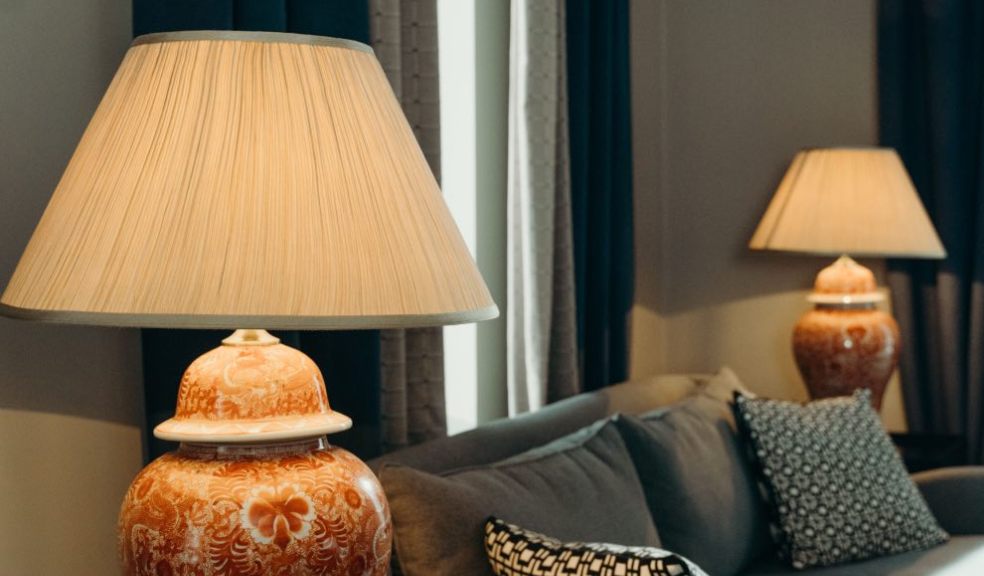
Light at seat height feels softer than light from above, so the quickest upgrade is a lamp beside your favourite seat. A floor lamp beside the armchair gives you a reading spot straight away, and one or two table lamps on side tables fill in the gaps between. If the sofa sits a few feet from the nearest socket, an arched lamp can reach over the seating while its base stays by the wall. A shelf-style floor lamp gives you somewhere to stand a plant or a few books as well. Online stockists such as Bossy Cat sell both styles, so you can compare a few shapes before you commit.
Put the light where you sit
Walk around the room and notice where you actually spend your time. Chances are it's the end of the sofa, a reading chair and the spot where you balance a laptop. Each of those needs its own small pool of light, since a lamp across the room won't help with a book. Choose shades that hide the bulb from where you're sitting, so you see a soft glow instead of glare. Corners count too, because a dark one makes the room feel smaller, while a slim floor lamp tucked into it adds depth without eating into your floor space.
Check the colour of your bulbs
What's inside the lamp matters as much as the lamp itself. Look for "warm white" on the packaging, usually somewhere around 2700K to 3000K, and save daylight bulbs for places where you need to stay alert. Mixing temperatures is the easy mistake to make, because one cool bulb among warm lamps can undo the cosy feel you've built. If you've got a mix of old bulbs, change the lot in one go so the whole room glows the same shade.
Keep the brightness flexible
Evenings change as they go on, and your lighting can change with them. A plug-in dimmer or a smart bulb lets you start bright for cooking or homework, then drop the glow once the dishes are done. A cheap plug-in timer on a lamp by the window means you come home to a lit room instead of a dark one. A candle on the coffee table adds a flicker that electric light can't, as long as it's kept away from curtains and never left burning when you leave the room.
Try it this evening by switching off the ceiling light, turning on two lamps and sitting where you normally sit for ten minutes. If the room feels better, add a third lamp at the weekend and keep going until the corners stop looking like an afterthought.
Collaborative post,.