





Smart Home Gym Trends: What Connected Training Means Now
Home fitness has changed a great deal in a short time. Not long ago, training at home meant a set of dumbbells and a video. Today, equipment can track your effort, adjust resistance on its own, and guide you through structured plans. Technology has moved from an optional extra to a central part of how many people exercise.
That shift raises both excitement and confusion. Which features genuinely improve training, and which are marketing noise? How do you avoid paying for tools you will never use? And what should you expect from connected equipment in the next few years?
This article explains the main trends shaping connected training, how they affect real workouts, and how to judge whether a given system suits your goals. It aims to give you a clear lens for evaluating what you see in stores and online.
From Static Equipment to Responsive Systems
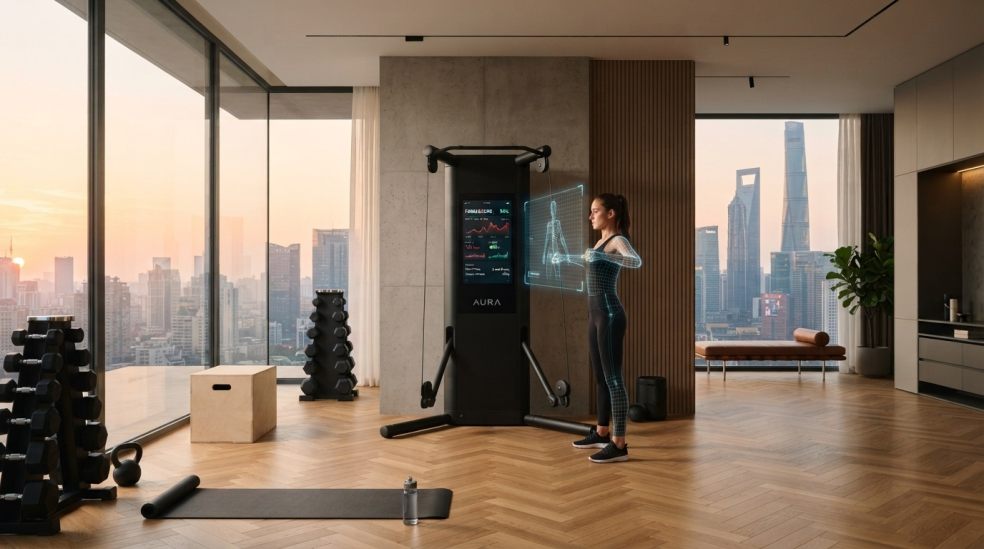
The biggest change is that equipment now reacts to you. A smart home gym can measure how fast you move, how much force you produce, and how your effort changes through a set. Rather than leaving you to guess, it uses that data to adjust the next repetition or the next session.
This matters because effective training depends on appropriate challenge. Too light, and nothing changes. Too heavy, and form breaks down. Responsive resistance helps keep you in the productive zone, which is particularly useful for people who train alone and do not have a coach standing beside them.
Trend One: Personalised Programming
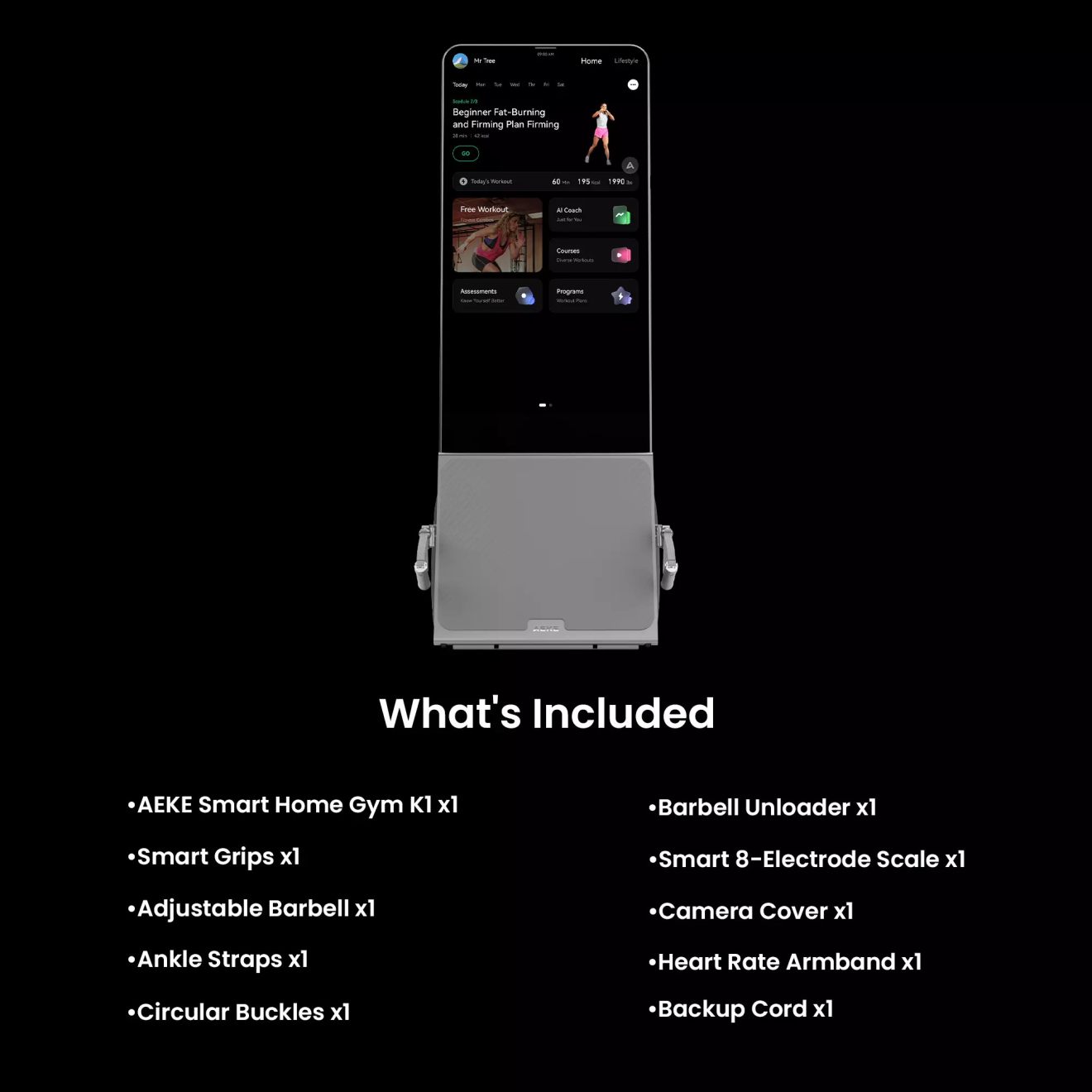
Guided plans have become more individual. Instead of a generic program, modern systems adjust to your level, your schedule, and your recorded performance. If you miss a day, the plan adapts. If you progress faster than expected, it increases the challenge.
This addresses a common home-training problem: knowing what to do next. Many people begin with enthusiasm, then stall because they are unsure how to progress. A system that tells you what to do and why removes that guesswork and keeps your routine moving.
Trend Two: Feedback on Form and Effort
Feedback is the second major theme. Sensors and software can highlight uneven effort between sides, slow movement phases, and fatigue as a set progresses. Some provide on-screen cues or summaries after each session.
Use this information carefully. Numbers are helpful when they inform decisions, such as lowering the load when speed drops sharply, but they should not replace how you feel. The best approach combines objective data with your own perception of effort and recovery.
Trend Three: Compact, Multi-Purpose Design
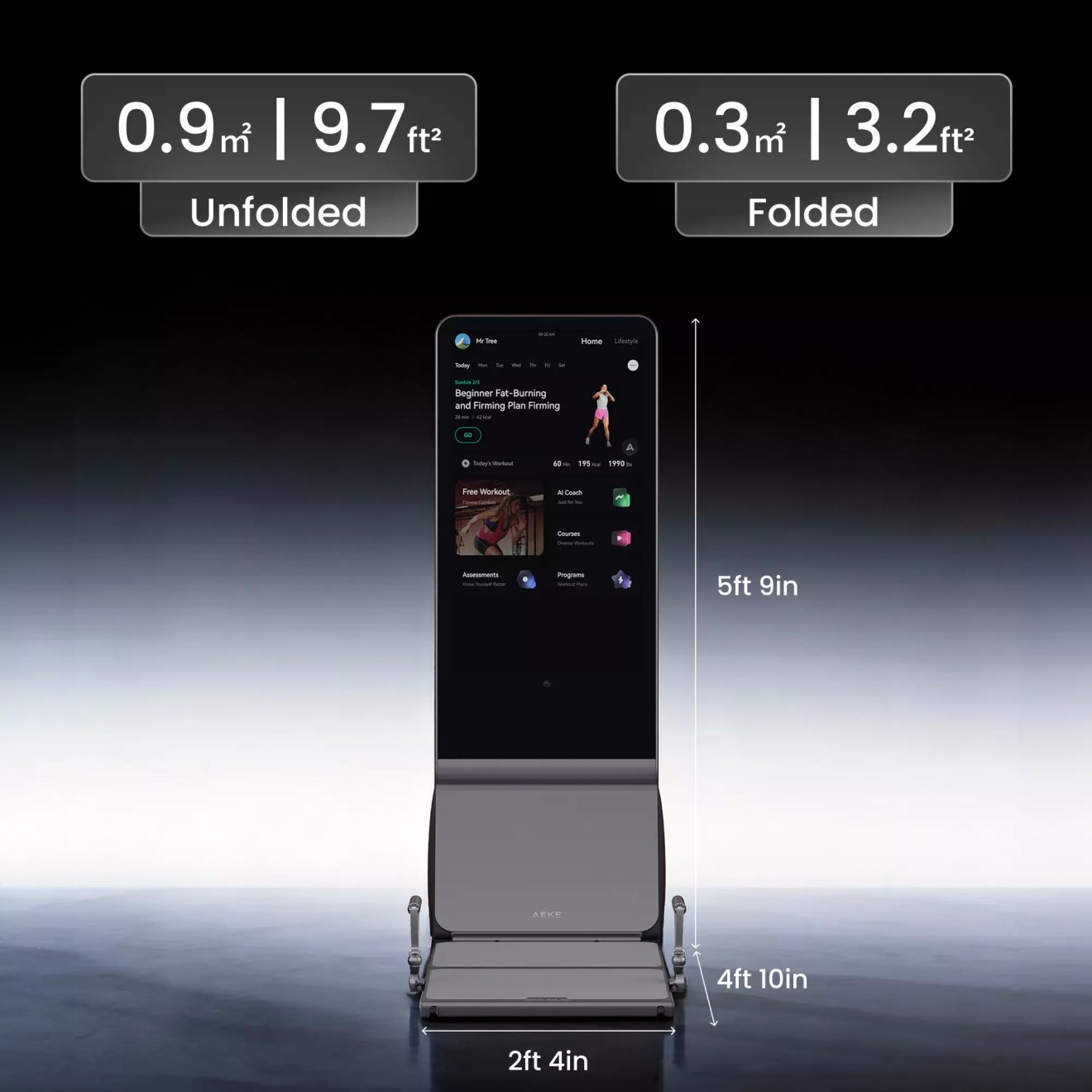
Connected equipment is also becoming smaller and more versatile. Designers know that most people train in apartments, spare rooms, and shared spaces, so they are building units that deliver many exercises from a modest footprint and can be tucked away or integrated into living areas.
AEKE is one example of a brand working in this direction, developing compact smart systems intended for homes rather than commercial floors. When you compare designs, look at how much room they need during use and whether setup between exercises is quick enough to keep your workout flowing.
How to Evaluate a Connected System
Not every feature deserves equal weight. Use a short checklist when you assess a product:
- Does it support the exercises and goals you actually care about?
- Is the guidance clear, and can you follow it without technical knowledge?
- How easy is it to switch exercises and adjust settings mid-session?
- What happens if your internet connection or an app is unavailable?
- How does the company handle your personal training data?
The last two questions are easy to forget. A system that becomes unusable offline is a risk, and training data can reveal details about your health and habits. Read the privacy information and choose companies that explain clearly how they collect and use it.
Keep Technology in Its Place
Technology works best as support, not as the goal. The people who benefit most from connected equipment are the ones who still focus on fundamentals: regular sessions, sensible progression, adequate sleep, and balanced nutrition. A sophisticated system will not compensate for a routine you do not follow.
A good test is whether the technology makes it easier to start and continue. If the interface feels like a chore, or you spend more time looking at charts than training, it may be adding complexity instead of value.
Smarter Tools, Same Fundamentals
Connected training is moving toward systems that respond to you, plan for you, and give useful feedback, all within a size that suits real homes. These advances make consistent, effective training more accessible than before.
Still, the basics decide results. Choose equipment that matches your goals and space, check how it handles reliability and privacy, and use the data to support your judgement. With that approach, new technology becomes a helpful partner rather than a distraction.
Collaborative post.