






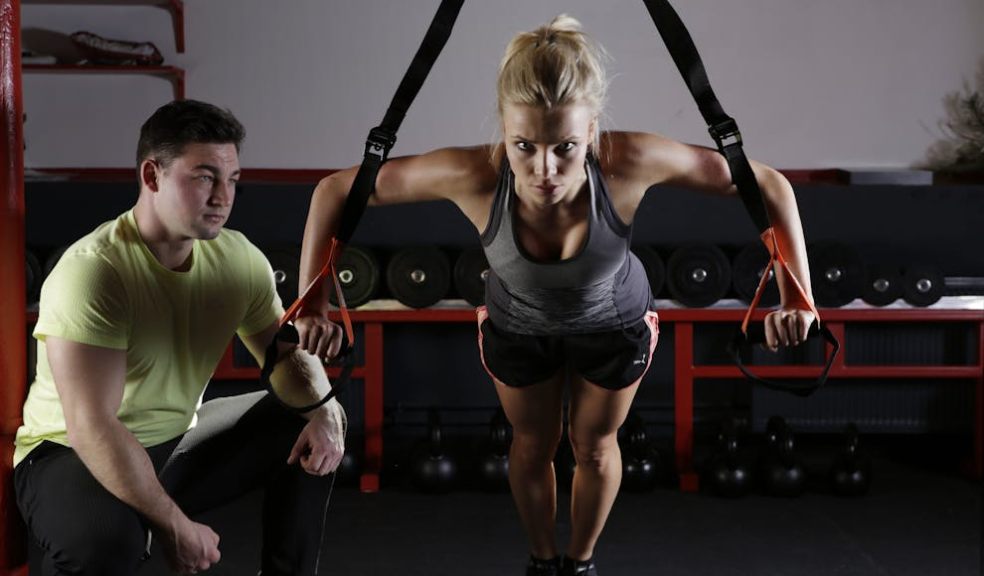
The Resistance Techniques Personal Trainers Use to Help You Develop Strength
Building real strength isn’t just about lifting heavier weights every week. Skilled personal trainers rely on smart, science-based resistance techniques that challenge your muscles in different ways, helping you grow stronger safely and efficiently.
If you’ve ever wondered why workouts are structured so carefully, it’s because how you train matters just as much as what you train. The right methods create steady progress, prevent plateaus, and reduce the risk of injury.
Let’s look at the most effective resistance training strategies personal trainers use to help clients develop lasting strength.
Progressive Overload: The Foundation of Strength
At the core of every strength program is progressive overload. This simply means gradually increasing the demands placed on your muscles over time.
Trainers adjust factors like weight, repetitions, sets, tempo, or rest periods to keep your body adapting. Even small increases make a big difference when applied consistently.
For example, adding five pounds to your squat each week or increasing your reps slightly forces your muscles to work harder and grow stronger. Without progression, the body has no reason to change.
Tempo Training: Slowing Down for Better Results
Strength isn’t only about lifting fast or heavy. Control plays a huge role.
Tempo training focuses on how long each phase of a movement takes. Slowing down the lowering portion of a lift or pausing at the bottom increases time under tension, which stimulates more muscle fibers and improves technique.
This approach helps develop better form, strengthens stabilizing muscles, and reduces the risk of injury. Sometimes slowing down actually accelerates progress.
Compound Lifts: Getting More From Every Exercise
Personal trainers often prioritize compound exercises because they deliver the greatest strength benefits in the least amount of time.
Compound movements work multiple muscle groups at once. Exercises like squats, deadlifts, bench presses, rows, and overhead presses train the body as a coordinated unit rather than isolating a single muscle.
These lifts burn more energy, improve coordination, and build practical, functional strength that carries over into everyday activities.
Supersets and Circuits: Training Smarter, Not Longer
To increase intensity and efficiency, trainers frequently use supersets and circuit training.
A superset pairs two exercises back-to-back with little or no rest. Circuits string several movements together in sequence. Both methods create muscular fatigue while keeping the heart rate elevated.
This style of training improves strength and endurance at the same time and is especially useful for people with limited workout time. It also keeps sessions engaging and challenging.
Resistance Bands and Variable Resistance
Free weights aren’t the only tools for building strength. Resistance bands add a unique challenge called variable resistance, where tension increases as the band stretches.
This forces muscles to work harder through the full range of motion and helps improve stability and control. Trainers often use bands for warm-ups, muscle activation, rehabilitation, or as finishing exercises.
They’re versatile, portable, and surprisingly effective.
Periodization: Planning for Long-Term Progress
Experienced trainers don’t leave progress to chance. They organize workouts into structured phases, a system known as periodization.
Training cycles may focus on strength, muscle growth, endurance, or recovery. Rotating these phases helps prevent plateaus and overtraining while allowing the body to recover and adapt.
This planned approach ensures steady, sustainable improvement rather than burnout.