






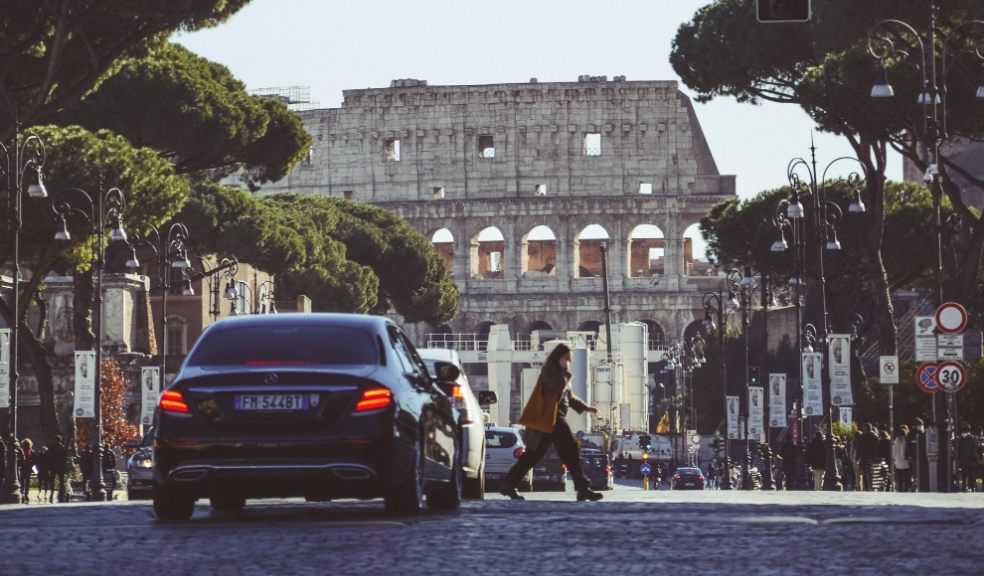
How to Make the Most of Your Car Rental in Rome
While Rome has excellent public transport, renting a car gives you the freedom to explore beyond the usual tourist spots. It also offers significant flexibility and convenience, especially if you are travelling with children or on business. You can easily move through the vibrant streets of the historic centre and enjoy comfortable trips across Tuscany or the Amalfi Coast.
That said, driving in Rome comes with its own set of rules you need to learn. Things about the different zones, parking, and rental terms can be much more significant than they are in the UK.
If you are planning to explore the city with a Rome car hire service such as Dryyve, we’ll take you through a few essentials to help you get the most out of your trip.
Plan and prepare your routes
Since you are in a new and congested city, it’s good to have a clear sense of where you are going. This is especially crucial as Rome has several significant differences from the UK and even a major city like London.
A major one is that there are restricted traffic zones (ZTL) in the more popular tourist areas, and entering such a zone automatically triggers a hefty fine (roughly €80–€335 per violation). Car rental services also charge an extra administrative fine for these, so ensure you stay clear.
UK travellers also need to consider the shift from right-hand driving as it can cause confusion when entering busy roundabouts or merging onto motorways. In the first hour of driving or before you get used to it, try to consciously use the right lanes. You’ll easily adjust as other cars will also help guide you.
To make everything easier, you can use Waze mapping app as it’s often more updated about ZTL. But other than that, Google Maps works great, especially for offline navigation. The latter may be crucial as you’ll want to preserve your data to avoid high roaming costs.
Navigate traffic and timing efficiently
You can expect a different experience when driving in Rome compared to the UK. To save time and avoid stress, you’ll need to adapt to local traffic patterns.
The time of your drives makes a big difference throughout the day. Mornings and late evenings tend to be calmer, but midday and rush-hour periods are usually quite congested. If you want to visit popular areas like the Piazza Venezia or somewhere near Termini Station, you should plan ahead.
Driving is also a bit chaotic as scooters and motorbikes just weave their way around traffic with confidence, so expect them to appear from out of nowhere. You may also need to make a way for yourself, so don’t wait comfortably in roundabouts or when joining other roads.
If you are driving outside the city, check your mapping app for motorway conditions and toll requirements in advance. If you plan to take some tourist detours, leave extra room in your schedule for traffic unpredictability.
Understand parking rules and options
Parking is one of the trickiest aspects of driving within Rome, so it’s good to understand how it works and plan ahead. When you want to park on the street, follow these colour codes:
- Blue lines indicate paid parking.
- White lines show free parking, but there may be restrictions, such as the duration.
- Yellow lines are reserved for residents or drivers with special permits.
Don’t ignore these as you’ll easily get a fine, even if you’ve just parked for a few minutes.
Besides street parking, there are secure garages and private lots. These are the simplest options for tourists, especially if you want to save time and reduce stress. However, as you can expect, they cost more.
Manage rental details and extras
Before you book or collect your car, take time to go through all the rental policies. Start with what you’ll need, which often is a credit card in the driver's name, age restrictions (often 19-25+), and an International Driving Permit (IDP) for non-UK and non-EU licenses. While it may not be checked, driving without a valid license can result in a fine of around €450 and having the car impounded.
You can then check the car rental policies. There are details that vary from one service to another, like the insurance and fuel policies. You may also need extras like GPS navigation and a roof rack or maybe a child seat, which may not be available by default. Some car rental services like Dryyve make it easy to add these extras, and you can also manage the entire booking process online.
Finally, check the vehicle itself before driving off. If there are existing damages, take pictures. Also, try to be keen on the car when you start driving it, so that you can notice if and when it has any issues. It will help you avoid disputes and make your transport smoother.