



Breast Augmentation Abroad: The Questions Most Patients Forget to Ask Before Booking
Turkey has become one of the world's leading destinations for breast augmentation , and the numbers make it easy to understand why. Patients travelling from the UK, Europe, and beyond can save up to 70% compared to home-country prices, whilst receiving care from surgeons trained to international standards in modern, accredited facilities.
But the savings and the all-inclusive packages can make it easy to rush the decision. Every year, patients arrive having compared prices and browsed before-and-after galleries , yet having never asked the questions that actually determine whether their experience will be safe, satisfying, and well-supported when they return home.
This guide covers those questions. Not the ones printed on every clinic FAQ page, but the ones most patients simply never think to ask until it's too late.
Key Takeaways
- Turkey's medical tourism market is projected to reach USD 4.1 billion in 2026, with cosmetic surgery among the fastest-growing segments.
- Implant warranties may be void once you leave Turkey unless you specifically ask about international coverage before booking.
- Follow-up care at home is the most commonly overlooked part of the entire process.
Why Do So Many Patients Book Without Asking the Right Questions?
The medical tourism booking process moves quickly. You enquire, receive a glossy package breakdown, see a price that's a third of what your local clinic quoted, and the momentum builds. The clinic coordinator is friendly, the reviews look convincing, and flights are bookable for next month.
Many reputable clinics offer virtual consultations prior to travel, allowing patients to build rapport with their surgeon and ask detailed questions before committing to the procedure. The issue isn't that the opportunity to ask questions doesn't exist ,it's that most patients don't know which questions matter most until they're already in recovery, or back home, or facing a complication they hadn't anticipated.
What follows is a structured list of the questions you genuinely need answered before you confirm your booking.
Questions About Your Surgeon, Not Just the Clinic
Most patients research the clinic extensively but spend far less time scrutinising the individual surgeon who will actually perform their procedure. These are two very different things.
Is my surgeon board-certified, and by which body?
This is the single most important question, and a surprising number of patients never ask it. Board certification from a nationally or internationally recognised plastic surgery association means the surgeon has completed specific training, passed formal examinations, and adheres to ongoing professional standards. Patients should look for surgeons who are board-certified by nationally or internationally recognised plastic surgery associations.
In Turkey, look for membership of the Turkish Plastic, Reconstructive and Aesthetic Surgery Association (TPRECD), or European board certification (EBOPRAS). Ask to see documentation , a reputable surgeon will provide it without hesitation.
How many breast augmentation procedures does this surgeon perform each year?
Volume matters in surgery. A surgeon performing a handful of augmentations per year is in a very different position to one completing several hundred. Ask specifically about breast augmentation, not general cosmetic procedures. Ask the surgeon how many of each procedure they perform yearly and request before-and-after photos of similar patients.
Will I have a consultation with my actual surgeon or a coordinator?
Some clinics assign patients to whichever surgeon is available on the day of their procedure. Your pre-operative consultation may be conducted by a patient coordinator rather than the operating surgeon. Ask explicitly: "Will the surgeon performing my operation be the same person I consult with beforehand, and will I speak with them directly?"
Questions About the Facility and Safety Standards
Is the hospital or clinic JCI-accredited?
Joint Commission International (JCI) accreditation is the gold standard for international healthcare facilities. It means the facility has been independently assessed against rigorous standards for patient safety, surgical protocols, and emergency preparedness. Inquire about the accreditation and safety protocols of the surgical facility where the procedure will be performed, ensuring adherence to strict standards for cleanliness, equipment, and emergency preparedness.
Not every excellent clinic in Turkey holds JCI accreditation — but you should know either way, and understand what alternative certifications the facility holds.
Which implant brand will be used, and does the warranty cover me internationally?
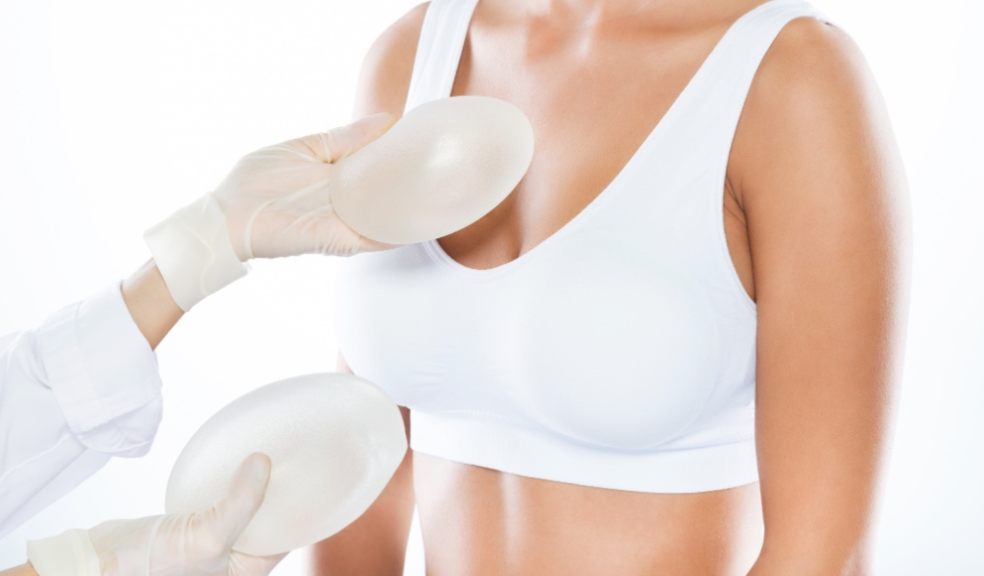
This is one of the most overlooked questions in medical tourism in Turkey and one of the most consequential. Premium implant brands such as Mentor, Motiva, and Sientra offer manufacturer warranties, but the terms vary significantly. Some warranties require follow-up to be conducted at a registered clinic in specific countries. Patients must be aware that their implant warranty may be void once they return home if they haven't confirmed the terms in advance.
Ask the clinic for the full warranty documentation before you travel. Confirm in writing if your warranty is valid in your home country, and if it covers rupture, capsular contracture, and revision surgery.
What size and profile implant is being recommended, and why?
A trustworthy surgeon will explain the reasoning behind their implant recommendation based on your anatomy; chest width, existing tissue, skin elasticity, and your stated goals. Be cautious of any consultation that leads too quickly to a specific size without a proper physical assessment. A surgeon uses their extensive experience to guide patients toward the option best suited to their body type and goals, balancing natural appearance with longevity and safety.
Questions About Aftercare and What Happens When You're Back Home
This is where the most significant gaps tend to appear , and where under-prepared patients run into real difficulty.
How long must I stay in Turkey before flying home?
Most clinics require a minimum stay of five to seven nights post-surgery before clearing you to fly. Flying too early increases the risk of deep vein thrombosis (DVT) and can compromise healing. Ask for this in writing, and check that your travel insurance is valid for the entire recommended recovery period. Do not book return flights before you have a confirmed answer from your surgeon.
Who do I contact if I have concerns after returning home?
Ask for a named contact, not just a general enquiries email , who is responsible for your aftercare once you return home. Reputable clinics assign a coordinator or clinical contact for international patients. Ask how quickly they respond, what hours they're available, and whether video consultations are included in your package.
A Pre-Booking Checklist
Before you confirm any booking for breast augmentation in Turkey, you should have clear, written answers to the following:
Surgeon
- Full name, qualifications, and board certification body
- Number of breast augmentations performed annually
- Confirmation you will consult with your operating surgeon directly
Facility
- Accreditation status (JCI or equivalent)
- Anaesthetist's qualifications
- Emergency protocol and on-site ICU or transfer arrangement
Implants
- Brand, model, and warranty terms , confirmed as valid in your home country
- Implant placement rationale specific to your anatomy
Aftercare
- Minimum recommended stay before flying
- Named post-operative contact for when you return home
- Full surgical records in English, to be provided before discharge
The Red Flags That Should Make You Pause
Not every clinic is equal, and not every low price reflects a high-quality package. There are specific warning signs that should prompt you to ask more questions , or look elsewhere entirely.
Clinics that push patients to book quickly or discourage asking questions should be avoided. A limited-time discount tied to booking within 48 hours is a pressure tactic, not a genuine offer. Confident, reputable clinics don't need to rush you.
Other warning signs include: coordinators who are unable to provide the operating surgeon's full credentials; before-and-after photos that cannot be verified as genuine patients; a refusal to provide surgical documentation in English; and package descriptions that are vague about which hospital (not just clinic) the procedure will take place in.
Turkey's cosmetic surgery sector is growing at 18.3% CAGR through 2035, with breast augmentation among the most requested procedures from international patients. According to Bookimed packages range from approximately £5,400 to £9,000+ all-inclusive. Patients who research surgeon credentials, implant warranties, and post-operative care protocols before booking consistently report better outcomes and less post-travel anxiety.
Breast Augmentation : Frequently Asked Questions
Is breast augmentation in Turkey safe?
Yes when carried out at an accredited facility by a board-certified surgeon. Turkey's medical tourism market is growing rapidly precisely because quality is available at competitive prices. The risk increases when patients prioritise cost alone and skip proper due diligence on surgeon credentials and facility standards.
How long do I need to stay in Turkey after breast augmentation?
Most surgeons recommend a minimum of five to seven nights before flying. You will typically have a post-operative check at around day five. Flying before this is cleared increases DVT risk and can compromise early healing.
What questions should I ask in my virtual consultation?
Focus on surgeon credentials, implant warranty terms, facility accreditation, the minimum stay requirement, and exactly who your post-operative contact will be when you return home. These are the questions most frequently skipped during initial consultations.
Making the Right Choice
Turkey is a genuinely excellent destination for breast augmentation. The combination of experienced surgeons, modern accredited facilities, and all-inclusive packages at a fraction of Western European prices is real and for thousands of patients each year, it delivers outstanding results.
The patients who have the best experiences are invariably those who ask the most questions. Not to be difficult, but because they understand that an informed patient is a safer patient.
Take your time. Ask every question on this list. And if a clinic makes you feel that asking questions is an inconvenience, that tells you everything you need to know.
Medical Disclaimer: This article is for informational purposes only and does not constitute medical advice. All surgical procedures carry risks. Please consult a qualified medical professional before making any decisions about cosmetic surgery.