






Knee Replacement Cost Comparison: Traditional vs. PSI vs. Robotic Methods
Knee replacement surgeries are becoming more common as populations age and more patients seek treatment for severe knee arthritis, joint deformity, and mobility loss. When learning about knee replacement surgery, patients often feel torn because they worry about whether they can afford the knee replacement cost.
Therefore, this article will provide a detailed overview of the costs associated with three common types of knee replacement surgery—traditional, PSI, and robot methods — to help you make an informed decision.
Traditional vs. PSI vs. Robotic Knee Replacement Cost
|
Surgery Type |
Advantages |
Disadvantages |
General Price Range |
|
Traditional |
Widely available; Lower equipment cost |
Precision limitations; Longer recovery; Higher revision rates |
Lower to medium |
|
PSI |
Low equipment costs; Short procedure time; Low revision risk |
Requires preoperative imaging and digital planning |
Medium, often positioned below robotic surgery |
|
Robotic |
Higher precision; Shorter recovery; Lower risk of revision |
Higher equipment and consumable cost; Long procedure time |
Higher, especially in private pay settings |
Specific costs vary depending on the hospital, region, prosthesis brand, length of hospital stay, and insurance coverage.
Traditional knee replacement surgery relies on standard instruments and manual alignment. While this approach is effective, surgical outcomes can vary depending on the surgeon’s experience. Since no expensive equipment is required, the costs remain relatively stable.
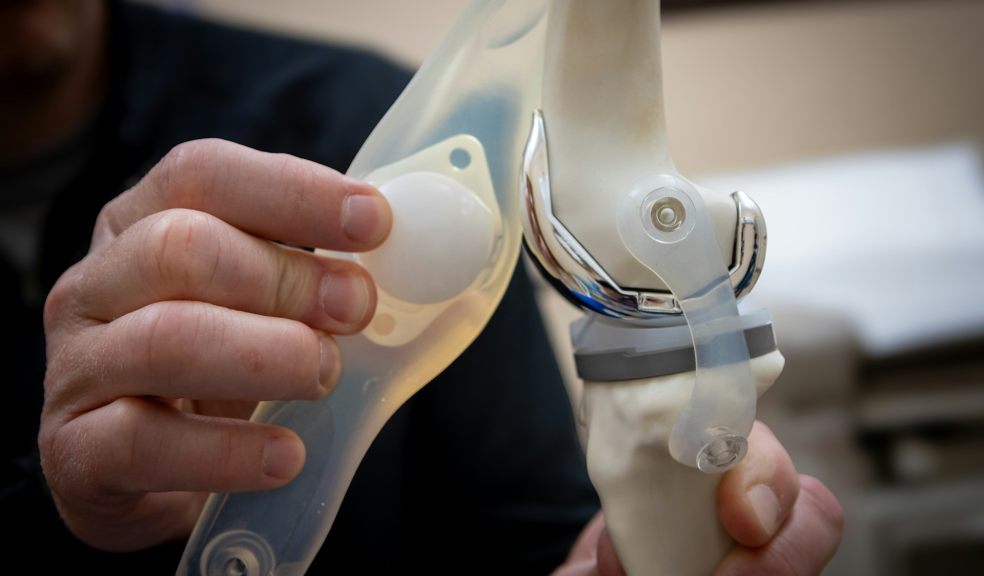
PSI knee replacement utilizes preoperative imaging, digital planning, and custom cutting guides designed based on the patient’s knee anatomy.
For patients seeking a precise surgical approach without the high costs associated with robotic systems, PSI solutions offered by companies such as SunMoon aim to strike a balance between precision and affordability.
Robot-assisted knee replacement employs a robot-assisted system controlled by the surgeon. While these systems can improve alignment accuracy, they require a significant upfront investment, as well as ongoing maintenance and consumable costs. These factors directly increase the cost of knee replacement for patients.
Other Factors Affecting Surgery Costs Beyond Technique
Surgical technique is only one part of the total knee replacement cost. Several additional factors should be considered:
-
Procedure Type
Total knee arthroplasty is used when multiple compartments of the knee are damaged. Partial knee replacement may be considered when damage is limited to one compartment. In some cases, partial procedures may involve less surgical exposure and a shorter hospital stay, but they are not suitable for every patient.
-
Direct and Indirect Costs
Direct costs include surgery, implants, hospital stay, and anesthesia.
Indirect costs may include rehabilitation, physical therapy, time off work, and potential complication management. These can significantly affect the total knee replacement cost over time.
-
Country and Regional Differences
Knee replacement costs in large private hospitals, international hospitals, and medical tourism destinations can differ widely. The United States, Europe, China, Southeast Asia, and the Middle East may follow different pricing structures.
-
Insurance Coverage
Insurance coverage can change the patient’s actual out-of-pocket payment. A higher total hospital charge does not always mean the patient pays more. Before choosing traditional knee replacement, PSI knee replacement, or robotic knee replacement, patients should confirm what is covered and what must be paid directly.
Which Surgery Is Right for You?
There is no single right method for every patient. Age, bone quality, deformity severity, activity level, and health status all affect the choice.
• Traditional knee replacement: Older patients with typical osteoarthritis and stable health may do well with this surgery when performed by an experienced team.
• PSI knee replacement: Patients with unusual anatomy, previous injury, or a strong need for individualized planning may benefit from this surgery.
• Robotic knee replacement: Patients with complex alignment issues or access to a well-established robotic program may consider this method, especially when the added cost is acceptable.
The decision should start with diagnosis, not price alone. A lower knee replacement cost is not useful if the method does not match the patient’s condition. At the same time, a higher cost does not automatically mean a better outcome. In practice, decision-making should involve a detailed consultation with an orthopedic surgeon.
SunMoon Offers PSI Total Knee Replacement Service
Medical tourism is growing as patients seek high-quality care at a more manageable knee replacement cost. SunMoon provides PSI-based total knee replacement solutions that integrate AI-assisted preoperative planning with 3D-printed surgical guides. This approach enables sub-millimeter accuracy without the high infrastructure cost of robotic platforms.
Patients considering cross-border treatment may benefit from integrated services that include consultation, surgical planning, and postoperative support. SunMoon’s model reflects this trend by combining technology with coordinated care.
For individuals evaluating options, contacting a provider such as SunMoon for a personalized assessment can clarify expected knee replacement cost and suitability based on specific medical conditions.