






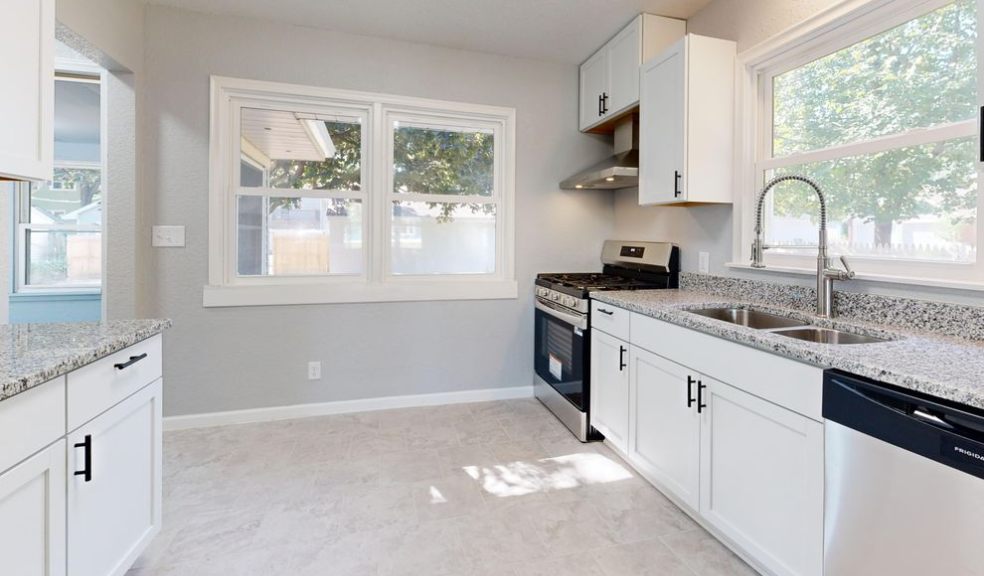
5 Tips For Planning A Kitchen Remodel
A kitchen remodel ranks among the most valuable investments a homeowner can make, both for daily quality of life and long-term property value. According to industry cost-versus-value reports, a minor kitchen remodel typically recoups around 70 to 80 percent of its cost at resale, making it one of the more financially sound renovation projects a household can undertake. Yet despite its popularity, a kitchen renovation is also one of the more complex projects to plan well. Between layout decisions, material selection, budgeting, and contractor coordination, homeowners often find themselves overwhelmed before a single wall is touched. The following five tips can help simplify the process and set the stage for a smoother, more successful remodel.
Start With a Realistic Budget
Before choosing a single tile or paint color, homeowners should establish a clear and realistic budget. Kitchen remodels can range widely in cost depending on scope, with national averages often falling between 25,000 and 50,000 dollars for a mid-range project, though upscale renovations can climb well beyond that. It is wise to build in a contingency fund of at least 15 to 20 percent above the projected budget, since unexpected issues such as outdated wiring, plumbing complications, or structural surprises behind walls are common once demolition begins.
Homeowners should also decide early which elements matter most to them. Some prioritize high-end appliances, while others focus spending on cabinetry or countertops. Knowing these priorities in advance prevents overspending on lower-impact details and ensures the budget aligns with what will actually improve daily functionality and enjoyment of the space.
Decide Whether to Replace or Refresh Cabinetry
Cabinetry typically consumes the largest portion of a kitchen remodel budget, often accounting for 30 to 40 percent of total project costs. This makes cabinet decisions one of the most important choices in the entire planning process. Full cabinet replacement offers the most dramatic transformation but comes with a correspondingly higher price tag and longer installation timeline.
For homeowners whose existing cabinet boxes are structurally sound but whose finishes feel dated, Kitchen Cabinet Refacing presents a cost-effective alternative worth serious consideration. This process involves replacing cabinet doors, drawer fronts, and hardware while keeping the existing frames intact, often cutting costs significantly compared to full replacement while still delivering a noticeably updated look. It also tends to reduce the overall project timeline, since the underlying carpentry work is skipped entirely. For many households working within a moderate budget, this middle-ground approach strikes an effective balance between visual impact and financial practicality.
Prioritize Function Over Trends
It can be tempting to chase the latest design trends when planning a remodel, but function should take precedence over fleeting aesthetic choices. Kitchens are workspaces first, and a layout that looks impressive in photos but hampers daily movement will quickly become a source of frustration. The classic kitchen work triangle, connecting the sink, stove, and refrigerator, remains a useful planning principle, though many modern designs now favor multiple work zones to accommodate more than one person cooking simultaneously.
Storage is another functional consideration that deserves early attention. Pull-out shelving, deep drawers for pots and pans, and dedicated pantry space can dramatically improve usability. Surveys of recent renovation projects consistently show that increased storage and improved workflow rank among homeowners' top motivations for remodeling, often ahead of purely cosmetic upgrades. Choosing timeless finishes for permanent elements like flooring and countertops, while saving trend-driven experimentation for easily changed items like paint or hardware, also helps the kitchen age gracefully.
Plan for Adequate Lighting
Lighting is frequently underestimated during the planning phase, yet it has an outsized effect on how a finished kitchen looks and functions. A well-designed lighting plan typically incorporates three layers: ambient lighting for overall illumination, task lighting for food preparation areas, and accent lighting to highlight architectural or design features. Under-cabinet lighting, for example, has become a near-standard expectation in modern kitchens because it eliminates shadows across countertops during meal preparation.
Natural light should also factor into the plan wherever possible. If the renovation includes structural changes, homeowners might consider whether adding or enlarging a window is feasible, since natural light tends to make kitchens feel larger and more inviting. Working with a lighting plan early, rather than treating it as an afterthought, prevents the common problem of retrofitting fixtures after walls and ceilings have already been finished.
Choose the Right Contractor and Timeline
Even the best design plans can falter without the right team executing them. Homeowners should request multiple quotes, check references thoroughly, and confirm that any contractor carries proper licensing and insurance before signing a contract. It is worth asking about a contractor's experience with projects of similar scope, since kitchen remodels often involve coordinating electricians, plumbers, and cabinet installers in a specific sequence.
Timeline expectations matter as well. A typical kitchen remodel takes anywhere from six to twelve weeks depending on scope, though full gut renovations involving structural changes can extend beyond that. Building a realistic schedule, and communicating clearly with contractors about milestones, helps reduce the stress that often accompanies living through a renovation.
Planning a kitchen remodel involves balancing budget, function, and design in a way that reflects both the household's needs and its long-term goals for the home. By setting a realistic budget, making smart cabinetry decisions, prioritizing function, planning lighting thoughtfully, and selecting a qualified contractor, homeowners can approach their renovation with confidence rather than uncertainty, setting the stage for a kitchen that performs as beautifully as it looks for years to come.