





Smart Home Hubs vs Traditional Entertainment Rooms: Which Adds More Value
Renovation season always brings the same dilemma for UK homeowners: chase the latest technology or invest in a space that feels timeless. Smart home hubs promise convenience at the tap of an app, while dedicated entertainment rooms offer atmosphere, comfort and a sense of permanence. Both options carry a price tag, but they don't always deliver the same return when it comes to daily enjoyment or resale value.
Choosing between them isn't simply about budget. It's about how a household actually lives, and whether that £20,000 renovation fund is better spent wiring the whole house for automation or building a room people genuinely want to sit in for hours.
Defining The Modern Smart Home Hub Setup
A smart home hub typically centres on a controller—think Amazon Echo, Samsung SmartThings, or Apple HomePod—linking lighting, heating, security and audio into one system. For many households, this starts small: a smart speaker here, a video doorbell there, gradually expanding into something more integrated.
The appeal is obvious. Voice commands adjust the mood lighting, thermostats respond to occupancy, and streaming services follow you from room to room. Yet not every household ends up with a genuinely unified hub. Many end up with a scattered collection of gadgets that talk to an app but not necessarily to each other, which limits the polished, whole-home experience that marketing materials tend to promise.
Traditional Entertainment Rooms: Comfort Meets Character
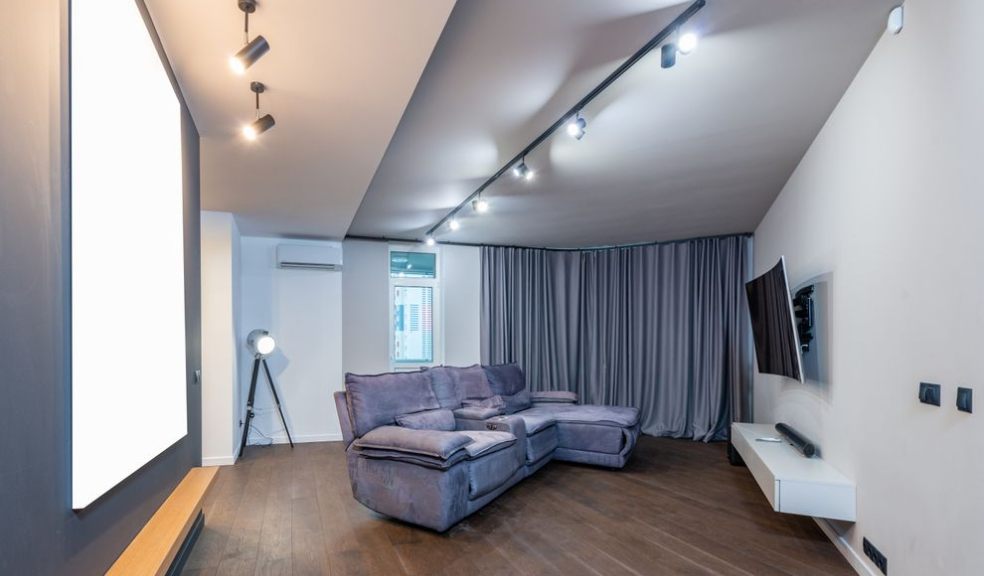
A dedicated entertainment room takes a different approach entirely. Rather than distributing technology across the house, it concentrates comfort and design into a single, purposeful space—tiered seating, acoustic treatment, a proper screen or projector, and lighting designed for atmosphere rather than automation.
These rooms tend to age well because they're built around experience rather than gadgets that might feel dated within a few years. Streaming platforms deliver cinema-quality content directly to a dedicated screen without any physical media. Gaming consoles turn the same room into a social hub for multiplayer sessions without additional hardware. Podcast and music apps fill the acoustic space during quieter evenings without disrupting the room's atmosphere. Online entertainment platforms have expanded that mix further; check on Gambling Insider to find a clear overview of how slot platforms are structured, with clearly listed game options and operator details that sit comfortably alongside a film night or a tablet session on the sofa.
Cost, Value, and Everyday Usability Compared
Cost is where the two paths diverge sharply. A basic home cinema conversion in a spare room or loft can run from £10,000 upwards, while premium builds with laser projection and bespoke finishes push well beyond £35,000. Smart hub setups are generally cheaper upfront, but spending can creep as households add device after device without a clear plan.
That creep matters. Research from Ofcom's technology data shows smart heating controls and security cameras are now common in UK homes, yet ownership doesn't always translate into a cohesive system. Meanwhile, industry surveys tracked by the Federation of Master Builders point to growing appetite for structural upgrades in 2026, suggesting homeowners increasingly favour improvements with lasting impact over piecemeal tech purchases. A well-executed entertainment room, by contrast, functions as a fixed asset—closer in spirit to a kitchen extension than a gadget drawer.
Which Option Suits Your Household Best
The right choice depends on how a household actually behaves, not just what looks impressive on a spec sheet. Households that entertain often, or want a space that feels distinctly different from the rest of the home, tend to get more lasting satisfaction from a dedicated room. Those who value convenience across daily routines—heating, lighting, security—may find a well-integrated hub delivers more practical value.
Surveyors and valuers still weigh structural quality and energy performance more heavily than standalone smart devices when assessing a property. That's a useful benchmark for anyone deciding where to direct their renovation budget. Ultimately, the strongest results often come from blending the two: a smart, efficient home wrapped around one or two spaces designed purely for comfort and character.