






Making the Switch: How People Adjust Their Routines When Quitting Smoking
People come to smoking cessation from many directions, and no two attempts look quite the same. Some rely on willpower alone, while others turn to products, apps, or professional support to see them through the early weeks. Whatever the method chosen, stopping cigarettes brings a set of daily adjustments that go beyond the physical act of putting them down.
Cigarettes are often tied to specific moments in the day, from a morning coffee to a break at work, and removing them can leave a noticeable space in those moments. Filling that space calls for new habits and new products, and often a fair amount of trial and error before something sticks.
How Daily Habits Change After Quitting
Smoking is frequently linked to particular cues, such as finishing a meal, waiting for a bus, or stepping outside during a work break. When cigarettes stop, those cues remain, and many people notice an urge at the same points in the day even without wanting to smoke.
Adjusting to this means either avoiding the cue or replacing the action with something else. Some people change their commute, others keep their hands occupied with a pen or a stress ball, and many find an urge fades within a few minutes if they wait it out.
Common Substitutes People Consider
A wide range of products supports people through the early weeks after stopping smoking, and preferences vary depending on personal taste, nicotine dependence, and lifestyle. Cost, convenience, and how closely a product mirrors the physical sensation of smoking all factor into what someone eventually settles on. The options below cover some of the more common choices people weigh up when deciding what fits.
Nicotine Replacement Therapy
Patches, gum, and lozenges deliver nicotine without the combustion involved in smoking, and pharmacies across the UK stock them without a prescription. They suit people who want a gradual reduction in nicotine intake over a set period, alongside a lower cost compared with some alternatives.
Vaping Products
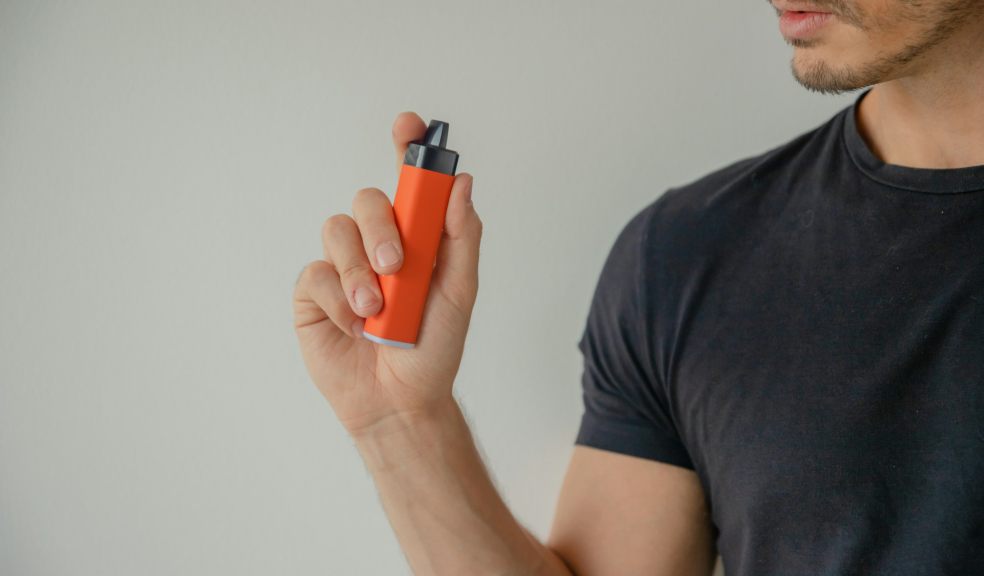
E-cigarettes have grown into one of the more widely used stop-smoking aids, with devices and liquids available across a broad range of strengths and flavours. Options include nic salts, freebase liquids, disposable devices, and refillable kits, with 10mg nic salts and 20mg nic salts among the strengths commonly chosen by people moving away from cigarettes. For those who prefer lower-strength liquids in larger bottles, shortfill e-liquids offer another route, alongside pod systems and starter kits aimed at newcomers.
Behavioural Support
Counselling, group sessions, and quit-smoking apps address the habitual and psychological sides of dependency, alongside the physical symptoms. Local NHS stop smoking services offer this kind of support across most of the UK, and combining it with a product-based approach is common.
Guidance Around E-Cigarette Products
E-cigarettes sold in the UK fall under specific rules covering tank size, nicotine strength, and packaging, all set out in e-cigarette regulations for consumer products. These standards apply across manufacturers and retailers, giving buyers a consistent baseline regardless of brand.
Checking a product against these standards can offer some reassurance about labelling accuracy and maximum nicotine content, particularly for anyone new to vaping and unfamiliar with the market.
Building New Cues Into Daily Life
Adjusting to a smoke-free life often means building fresh cues to sit alongside the old ones tied to cigarettes. A short walk after a meal, a different drink with coffee, or a change in where someone sits during a break can interrupt long-standing patterns.
Consistency across the first few weeks matters as much as any single product or technique, and small, repeated adjustments across mornings, breaks, and evenings add up over time. Tracking progress, whether through an app or a simple note, also helps some people notice how far they have come.
The People Around a Quit Attempt Adjust As Well
Friends, family, and colleagues often adjust too, as they stop offering cigarettes or planning gatherings around a smoke break outside a venue. Over months, social settings that once revolved around a cigarette break start to include everyone instead of splitting a group in two.
This broader adjustment among the people around someone can reinforce their new choices, and it often continues well beyond the point when the early physical symptoms of quitting settle down.