
Simple Maintenance Checks for Your Student Home Rental
Small maintenance checks can stop a minor problem in your rental from becoming an expensive, disruptive repair. You don’t need specialist tools or technical knowledge to monitor the basics. A quick look under the sink, a test of the heating and a clear report to your landlord can make your home safer and more comfortable.
Tenants should avoid attempting repairs that could cause injury or damage. Your role is to notice changes, take sensible precautions and report faults with enough detail for the landlord or property team to respond.
Checking for Leaks and Drips
Check beneath sinks, around the toilet and beside the shower every couple of weeks. Look for damp patches, swollen cupboard panels, peeling paint or a musty smell. A pipe can leak slowly without leaving an obvious puddle, so run your hand over visible joints and place a dry sheet of kitchen roll underneath if you suspect moisture.
Watch the water meter too, if you have access to it. Turn off taps and water-using appliances, then see whether the reading continues to change. Movement may point to a hidden leak, although shared supplies and communal systems can make this check less reliable in some buildings.
Report dripping taps promptly. One drip may look harmless, but constant moisture can stain fittings and encourage mould. If water spreads quickly, move belongings away and use a bowl or towel to contain it while you contact the landlord or emergency maintenance number. Don’t dismantle pipes or remove fixed panels.
Clear hair and soap residue from accessible plugholes before water starts draining slowly. Avoid harsh drain chemicals unless your landlord has confirmed that they’re suitable for the plumbing. Many common maintenance mistakes begin when a small fault receives the wrong DIY treatment.
If you’re comparing options for student living, check how maintenance requests are handled and whether an on-site property team is available. A clear reporting process can be especially useful when you’re new to renting.
Spotting Electrical Issues
Pay attention to how sockets, switches and appliances behave during normal use. Warning signs include buzzing sounds, scorch marks, repeated power cuts, damaged cables and plugs that feel unusually hot. Stop using the affected item or socket and report the problem. Never remove a socket cover or attempt to repair fixed wiring yourself.
A tripped switch in the consumer unit can sometimes follow a faulty appliance. If your tenancy guidance allows it, unplug portable items before resetting the switch once. Should it trip again, leave it off and contact the landlord or property manager. Repeatedly switching it back on could increase your risk and make the underlying fault harder to identify.
Keep extension leads visible and avoid running them beneath rugs, mattresses or furniture. Cables can become damaged or overheat when trapped. Connect one extension lead directly to a wall socket, and plug high-powered appliances such as kettles and portable heaters into wall sockets where possible. Don’t connect several extension leads together.
Test smoke alarms using their test buttons at the interval set out in your tenancy information, often once a month. Report a weak warning sound or a failed test straight away. The UK Government’s guidance on landlord repair duties explains broad responsibilities for electrical wiring, heating, and other installations, though your tenancy agreement may include extra details about reporting procedures.
Maintaining Heating and Ventilation
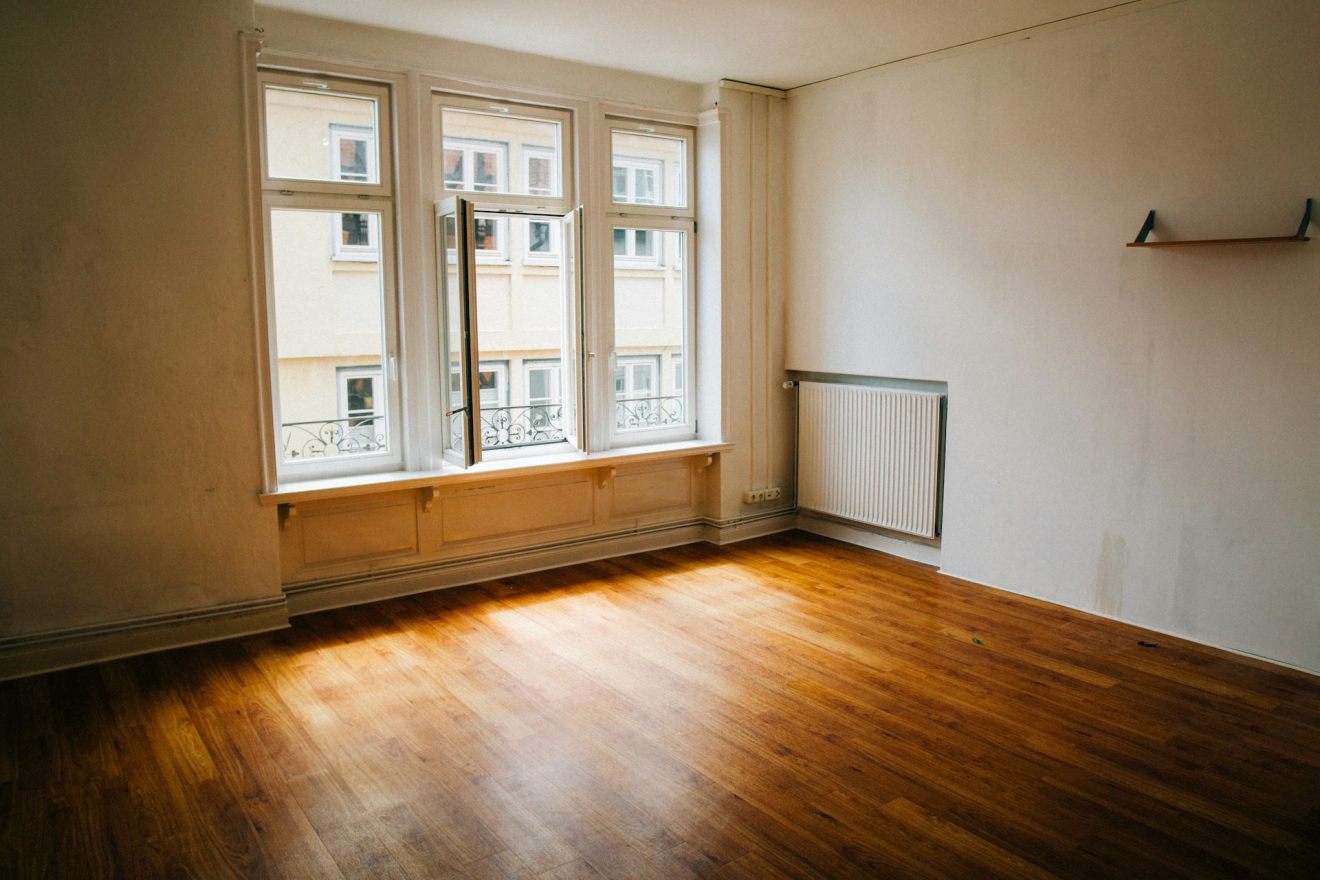
Run the heating briefly before the coldest part of the year, even if the weather still feels mild. This gives you time to spot cold radiators, strange noises or a boiler that fails to start. Check the thermostat setting first and confirm that the system has power, but leave internal boiler work to a qualified professional.
Keep radiators clear of large furniture and heavy curtains. Blocking the space around them reduces airflow and can leave one part of a room chilly while the area behind the furniture becomes too warm. If the top of a radiator stays cold, it may need attention. Ask the landlord or property team to arrange this unless your tenancy guidance specifically explains what you’re permitted to do.
Ventilation matters throughout the year. Use extractor fans during showers and cooking, then leave them running for several minutes afterwards. Opening a window briefly can release humid air without cooling the whole property for hours. Wipe condensation from window frames and sills so it doesn’t sit against seals or paintwork.
Mould should be reported when it keeps returning, covers a large area or appears alongside damp patches. Take photographs before cleaning a small surface patch so there’s a record of its location and extent. Avoid painting over it, as this hides the visible sign without addressing excess moisture, poor ventilation or a possible leak.
Check external vents that are safely visible from indoors. Bags, furniture and clothing shouldn’t cover them. Never block a fixed vent to stop a draught, since it may support safe airflow for the property’s heating system.
Reporting Issues to Your Landlord
Send maintenance reports in writing through the official app, portal or email address provided for your tenancy. Include the room, the exact location of the fault and when you first noticed it. A message saying “the bathroom tap drips constantly, including when fully closed” gives the maintenance team more to work with than “tap broken”.
Photos and short videos can help show intermittent faults. Capture water appearing beneath a pipe, a flashing error code or the sound made by a faulty extractor fan. Don’t put yourself at risk to get evidence, and never open electrical fittings, boilers or sealed panels.
Mention the effect on the property and your daily routine. State if a leak is spreading towards a socket, if the heating has stopped throughout the home, or if the only toilet can’t be used, especially if you're looking into off-campus housing options. Accurate details help the landlord judge urgency and arrange the right contractor. Keep copies of messages, photographs and appointment details in one folder.
A practical landlord maintenance checklist can help you understand the building systems owners routinely monitor, including plumbing, heating, and safety equipment. Your own agreement should explain which everyday tasks fall to you, such as replacing certain light bulbs or keeping the property reasonably clean.
If you receive no response, follow up using the same reporting channel and refer to the date of your first message. For urgent problems, use the emergency contact details in your tenancy pack instead of waiting for a routine email reply.
Stress-Free Student Living Maintenance
A simple monthly routine is easier to remember than a long list of occasional chores. Pick a regular date, such as the first Sunday of each month, and spend ten minutes checking under sinks, testing alarms, and looking for condensation or damage around windows. Add a reminder to your phone so the check doesn’t disappear during busy study periods.
In a shared flat, agree who will report communal problems. Otherwise, everyone may assume that somebody else has already mentioned the flickering kitchen light or leaking washing machine. One shared note can record the date, what was found and the report reference. Avoid assigning technical repairs to a confident flatmate, since enthusiasm doesn’t replace proper training.
Keep access to important areas clear. Maintenance staff may need to reach a boiler cupboard, stopcock, fuse box or radiator at short notice. Store the tenancy handbook and emergency contact number somewhere all residents can find them, while protecting any personal account details.
Before leaving for a holiday, empty food waste, close windows and follow the property’s heating guidance. If a flatmate is staying behind, ask them to report anything unusual. When everyone leaves, check the instructions for long absences, as the landlord may require notice or set minimum heating arrangements during cold weather.
The best maintenance habit is responding quickly to changes. A new stain, unfamiliar smell or repeated error message deserves a note and, where appropriate, a report. Ten minutes spent checking the flat can save days of disruption when deadlines and exams are already filling the calendar.