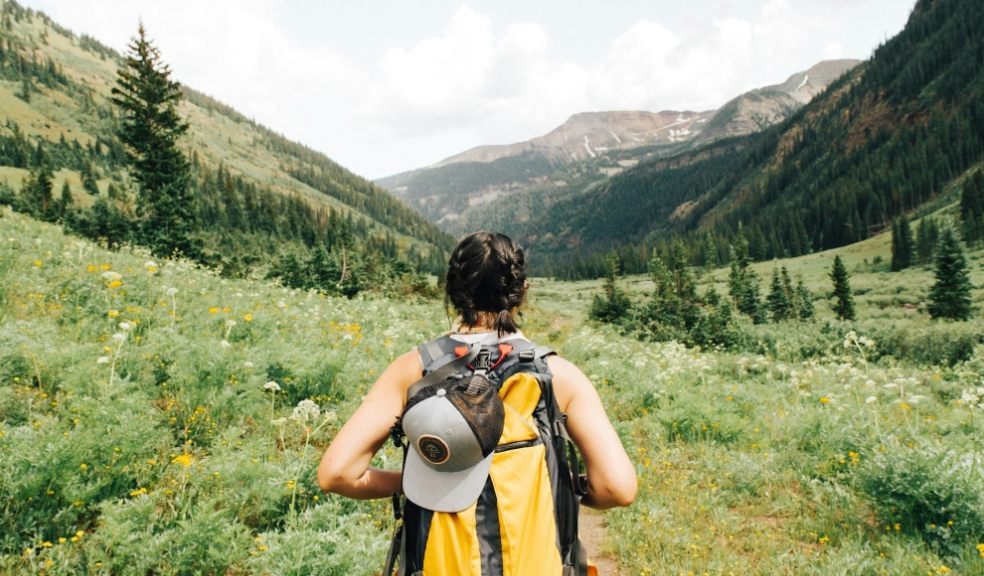
Hobbies for Health: The Benefits of Outdoor Recreation
Outdoor recreation gives you a practical way to move more, spend time in nature and take a break from everyday pressures, much like the peace of mind offered by Carole Nash Insurance. It can fit around different interests and fitness levels, from a gentle walk through a local park to a full day exploring country roads on two wheels.
The best outdoor hobby is one you genuinely look forward to doing. Enjoyment makes it easier to build a regular routine, while sensible preparation helps you stay comfortable and focused.
Boost Your Well-being Outdoors
Time outside can support both physical and mental health. Natural light helps regulate the body clock, while movement encourages stronger muscles, better cardiovascular fitness and improved mobility. Even fairly gentle activities can contribute to the 150 minutes of moderate-intensity exercise recommended for adults each week.
The health benefits of outdoor activities also extend beyond fitness. Green spaces can offer a welcome change of pace, particularly if you spend much of the working day indoors or looking at screens. A lunchtime walk, an hour of gardening or a weekend trip to the coast can provide distance from routine concerns and help restore concentration.
Consistency matters more than aiming for demanding outings every time. Start with two or three outdoor sessions a week and make each one achievable. For example, you could walk for 25 minutes after work on Tuesdays, tend to the garden on Thursday evening and plan a longer activity at the weekend.
Your own outdoor space can also become part of this routine. Simple ideas such as growing herbs, eating breakfast outside or doing mobility exercises on the patio can make regular contact with nature easier. This guide to using your garden for wellbeing offers more practical ways to benefit from the space around your home.
Beyond the Gym: Active Pursuits
Structured gym sessions suit many people, but they’re only one route to an active lifestyle. Walking, cycling, paddle sports, climbing and outdoor fitness classes all place different demands on the body. They can improve stamina and coordination while giving each outing a clear purpose or destination.
Outdoor exercise also changes with the terrain and weather. A woodland path calls on stabilising muscles that see less use on a level treadmill, while hills naturally introduce short periods of higher effort. Information about the benefits of outdoor exercise highlights how fresh air, varied surroundings and social opportunities can add to the experience.
Choose an activity that matches your present ability. If you’ve been inactive for several months, begin with level routes close to home and increase either the time or difficulty gradually. A simple progression might involve adding five minutes to a walk each week, followed by a gentle hill once 40 minutes feels manageable.
Comfort also affects motivation. Wear suitable footwear, check the forecast and carry water on longer outings. In warm weather, plan exercise for the cooler parts of the day and use sun protection. During colder months, several light layers will usually give you more control over your temperature than one heavy item.
If pain, dizziness or unusual breathlessness appears, stop and seek appropriate medical advice. Outdoor recreation should leave you pleasantly tired, not unwell.
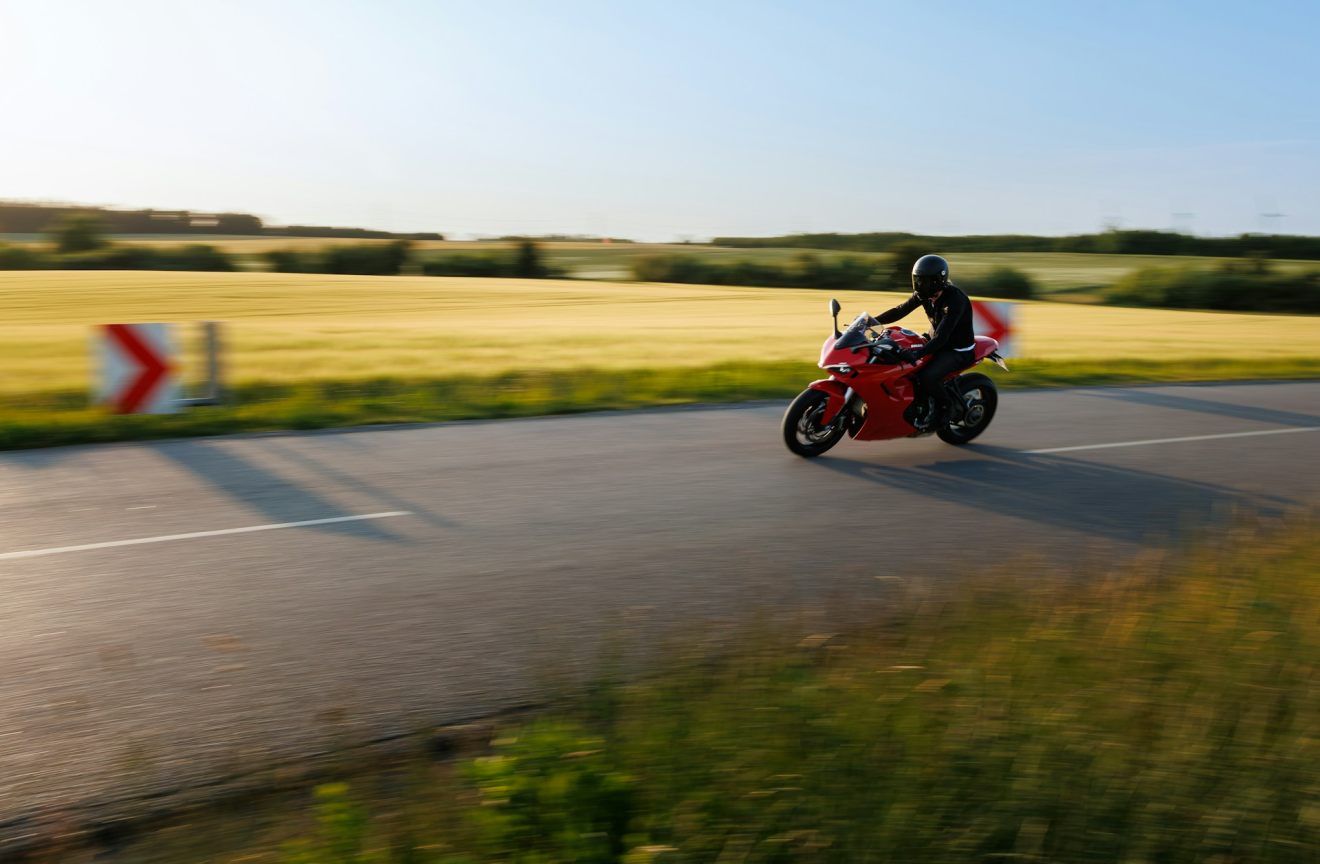
The Thrill of Two-Wheeled Adventures
Two-wheeled activities bring movement, fresh air and a stronger sense of exploration into the same hobby. Pedal cycling provides sustained exercise, while motorcycling offers an engaging way to discover quieter roads, visit rural destinations and turn the journey itself into part of a day out.
Riding requires attention, coordination and constant observation. That focus can create a useful mental break because the activity demands awareness of road conditions, other traffic and the surrounding environment. It also encourages you to explore places that might otherwise be missed, such as a small coastal town or a viewpoint reached by a winding country route.
Motorcyclists need to deal with practical responsibilities before heading out. A valid licence, suitable protective clothing and the correct insurance cover all form part of responsible riding. Riders comparing policies for classic, modern, custom and touring models or scooters can explore Carole Nash bike insurance as one available option.
For a manageable first leisure outing of the season, pick a familiar route of around 60 to 90 minutes and include a planned break. Avoid scheduling a demanding ride after a long working day, when concentration may be lower. Check for road closures before leaving and share your route with someone at home, especially if you expect to travel through areas with an unreliable mobile signal.
Build up gradually if you haven’t ridden for some time. Familiar roads allow you to regain confidence before introducing longer distances, busier traffic or more complex routes.
Preparing for Your Next Ride
Good preparation starts before the day of a ride. Look over the route, identify fuel stops and note places where you can pause for food, water or shelter. A realistic itinerary leaves room for delays and gives you the option to shorten the outing if conditions change.
Check the machine according to its manufacturer’s guidance. Tyre pressure and condition, lights, mirrors, fluid levels and controls should all be examined regularly. Deal with faults before departure instead of assuming they can wait until the next service. Pack a charged phone, payment card, water and any personal medication you may need.
Clothing deserves equal attention. A certified helmet must fit correctly and fasten securely, while protective gloves, boots, trousers and a jacket should suit the weather. Bright or reflective details can help other road users notice you. If rain is likely, waterproof outer layers can prevent cold and discomfort from undermining concentration.
Fatigue can develop quietly on a long day. Schedule a break at least every couple of hours and stop sooner if your attention starts to drift. Get off the bike, drink some water and move around for several minutes. A café stop or short walk can restore alertness while adding another enjoyable element to the outing.
Think about the return trip as carefully as the outward route. A destination that feels comfortably close in the morning may seem much farther away after several hours outside. Keep enough time and energy in reserve to get home before darkness if you prefer riding in daylight, which is one of many tips for enjoyable family adventures.
Community and Connection
Outdoor hobbies can be social without requiring constant conversation or a large group. Walking clubs, cycling groups, community gardening projects and organised ride-outs give people a shared activity, which often makes introductions feel more natural. Regular events also add useful structure when motivation dips.
Group activities should suit your pace and experience. Ask organisers about expected distances, terrain and break frequency before attending. For a riding group, check how the route will work, what happens if someone becomes separated and where the scheduled stops are. A well-run outing makes expectations clear at the start and avoids pressuring anyone to exceed their comfortable pace.
The social value of recreation has become one reason outdoor activity has increased. Shared time outdoors can strengthen existing friendships while creating opportunities to meet people with similar interests. It may also make an activity easier to maintain because other participants provide encouragement and accountability.
Solo outings still have an important place. They give you more control over pace, timing and destination, which can be especially valuable after a busy week. Let someone know your plans when travelling farther from home and choose a route that matches the daylight, weather and your level of experience.
A well-chosen outdoor hobby should leave space for enjoyment as well as progress. The most memorable days may involve a challenging climb or a long ride, but they can just as easily centre on a quiet garden, a familiar trail or a roadside stop with a good view.