






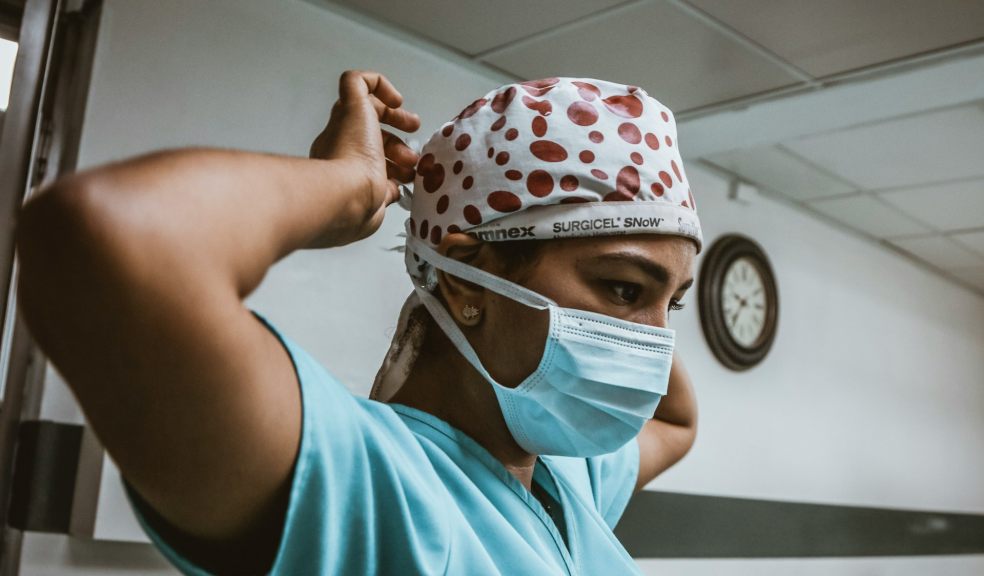
Boost Your Medical School Application Prospects
A strong medical school application develops over time through academic effort, relevant experience and thoughtful reflection. Admissions teams want evidence that you understand the realities of medicine and have considered how your abilities fit the profession. Start early enough to test your interest, build useful habits and record what you learn. This gives you specific material for your personal statement and interviews, while helping you decide if medical training genuinely suits your goals. Gaining practical exposure is invaluable for solidifying your career aspirations and enhancing your application.
Early Steps Towards a Medical Career
Begin by checking the entry requirements for each university on your shortlist, as required subjects, grades and admissions tests can differ. Create a simple calendar covering application deadlines, test preparation and school examinations.
Your early preparation can also include reading trusted health news, attending university open days and speaking to medical students or healthcare professionals. Keep brief notes about what surprised you and which questions remain unanswered. Those observations will prove more valuable later than a list of activities with no reflection behind it.
Why Experience Matters for Aspiring Doctors
Relevant experience helps you understand how healthcare teams communicate, manage pressure and protect patient dignity. Look for opportunities that are suitable for your age and provide clear supervision. For students aged 14-18, a structured pre-med hospital work experience programme can offer insight into medical careers through organised in-person or online activities.
Experience doesn’t need to involve direct clinical tasks. Volunteering in a care home, supporting a community group or helping in a customer-facing role can develop patience, reliability and communication. Record one or two examples after every session, focusing on what happened, what you learnt and how your thinking changed. If you later pursue an overseas placement, this guide to making the most of a medical internship abroad has practical preparation advice.
Crafting a Standout Personal Statement
A persuasive personal statement connects your experiences with your reasons for studying medicine. Choose a few meaningful examples and explain them clearly. You might describe how observing calm communication during a difficult interaction showed you the value of listening, then connect that observation to a role where you developed the same skill.
Avoid claiming qualities without evidence. Instead of calling yourself resilient, describe a demanding academic project, the setback you encountered and the changes that improved your work. Keep the focus on your own learning while respecting patient confidentiality. Ask a teacher to check clarity and grammar, but retain your natural voice. Admissions staff should hear your perspective, not a collection of polished phrases borrowed from sample statements.
Interview Techniques for Medical School
Prepare for interviews by practising how you think aloud, since interviewers often assess reasoning as closely as the final answer. Review common topics such as teamwork, confidentiality, consent, health inequality and professional responsibility. When discussing an ethical scenario, identify the people affected, consider competing concerns and explain what further information you would need.
Record several practice answers on your phone and listen for rushed speech, vague claims or unnecessary repetition. A teacher or friend can then ask follow-up questions so that rehearsals feel less predictable. If you don’t know an answer, acknowledge the limit of your knowledge and set out a sensible way to approach the issue. Calm honesty usually communicates maturity more effectively than guessing.
Beyond Academics: What Universities Seek
Strong grades matter, but universities also look for curiosity, empathy, teamwork and a realistic understanding of medical practice. Activities such as sport, music, caring responsibilities, part-time work and community service can all provide evidence of these qualities. Research may also strengthen an application when you can explain your contribution and learning.
Maintain interests outside science too. They can help you manage demanding periods and connect with people from varied backgrounds. Before submitting your application, check that every example reveals something specific about your judgement, conduct or growth. The strongest final edit removes any activity that occupies space without showing what it taught you.