






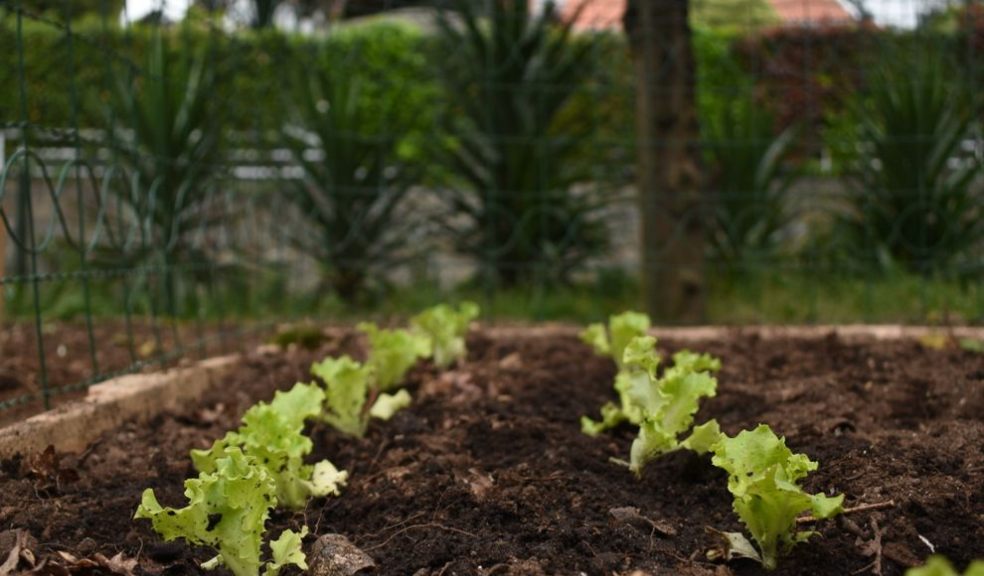
How a Power Tiller Turns Lawn Into a Family Vegetable Bed
Every family has one patch of lawn that never quite earns its keep. It is the corner where the grass thins out, the kids stopped playing years ago, and the grocery receipts keep suggesting something better: a row of tomatoes, a few bean poles, a herb bed within reach of the back door.
Turning that corner into a garden is a weekend project once the ground thaws, and with a short Canadian growing season, getting the bed ready early pays off. The first job is not planting. It is breaking up the turf and loosening the soil beneath it, which is where a self-propelled garden tiller takes over from the shovel and the sore back.
Why the Soil Matters Before the Seeds
Lawn soil is packed down by years of mowing, foot traffic and winter frost, and young roots struggle to push through it. Good vegetable garden soil is loose and crumbly, so water drains and air reaches the roots, and the ground beneath the grass has to be worked before anything goes in.
Skipping this step is why many first vegetable patches struggle. Seedlings planted straight into dense turf stay shallow-rooted, dry out quickly and need constant watering, while seedlings in loosened soil send roots down and look after themselves far better.
That is the whole idea behind tilling. Spinning tines break the compacted layer into small crumbs, mix in compost or other amendments, and chop the turf into pieces that rot down as food for the next crop instead of sitting in the bed as a mat.
How a Power Tiller Does the Work
Behind the handlebars sits an engine that turns a set of curved steel tines. As the tines dig in, they throw soil backward and break it apart, and a self-propelled machine drives its own wheels, so the operator steers rather than hauling the machine through the ground.
This model is listed at 18 inches wide with a 196cc, 6.5 horsepower engine and dual rotation. Dual rotation, as the name suggests, lets the tines turn in more than one direction, which gives the operator a choice between aggressive digging and gentler mixing in softer ground.
Width matters less than people expect. An 18 inch path is narrow enough to work between garden beds and through a side gate, yet wide enough that a family-sized plot takes a handful of passes rather than an afternoon of them.
Why Self-Propelled Makes the Job Gentler
Hand digging a bed of this size is slow, and it is hard on the back and shoulders, especially in clay. A power tiller can turn a day of shoveling into an hour or two, and the drive wheels mean the machine pulls itself forward instead of dragging its operator behind it.
Time is only part of it. Walking behind a machine that moves at a steady pace gives an even result, with no missed strips and no deep holes where tiring arms dug harder than they meant to.
A couple turning a thirty by twenty foot corner of their backyard into vegetable beds might finish the first pass in a morning, then spend the afternoon raking and shaping beds while the soil is still workable. The machine does not replace the gardener, but it removes the heaviest hours.
Reading Your Soil Before You Start
Soil moisture decides whether tilling helps or hurts. Ground that is too wet smears into hard clods that bake solid, while ground that is bone dry turns to dust and blows away. A handful that holds together when squeezed and crumbles when poked is ready.
Rocks, roots and buried lines deserve a look as well. Walk the plot first, clear stones the size of a fist, mark any irrigation pipes or cables, and expect a pass through old lawn to need two or three runs, each a little deeper than the last.
Compost goes on before the final pass. Spread an inch or two over the surface and let the tines fold it in, so the nutrients end up where the roots will actually be, rather than sitting on top where heavy rain can wash them away.
Front Tine, Rear Tine or Cultivator?
Home tillers come in a few styles. A front tine tiller has its tines ahead of the wheels, which is light and quick to maneuver but tends to bounce on hard ground. A rear tine tiller puts the tines behind the wheels, giving steadier digging in tough soil.
A small garden cultivator, by contrast, is built for loosening already worked ground between rows rather than breaking new turf. It is lighter and quieter, but it will struggle with a first pass through lawn, which is why a self-propelled power tiller suits a new bed better.
The Case for Tilling Less Often
Tilling has real benefits for a new bed, but it is not something to repeat every year. Each pass breaks the soil structure and exposes organic matter to the air, so many gardeners till once to establish a bed and then top-dress with compost afterward.
The trade-offs are plain. A power tiller is noisy, burns fuel, and needs somewhere dry to store it, and over-working fine soil can leave it prone to crusting. Used once or twice with care, though, it gets a stubborn lawn ready in a fraction of the time.
Staying Safe, and Staying Neighborly
A few habits keep the job safe and the neighbors happy.
- Wear eye and ear protection every time
- Keep children and pets well clear of the work
- Check for buried lines before the first pass
- Till at reasonable hours, never early or late
A running tiller is loud, and the tines can throw stones and clods sideways. Closed shoes, long pants and gloves belong with the protection, and the machine should be stopped completely before anyone clears tangled grass or roots from the tines.
Fuel deserves the same care. Fill the tank outdoors with the engine cool, store gasoline in an approved container, and run the machine out of fuel or add stabilizer before putting it away for the winter, so the carburetor is clean at the next start.
Where Home Gardening Is Heading
Interest in growing food at home has not faded, and the tools are following. Battery-powered tillers are getting stronger and quieter for small plots, and more gardeners are pairing a single deep tilling with raised beds and mulch, so the soil stays loose for years afterward.
Before choosing a machine, think about how big the bed will be and what the soil is like underneath the grass. TMG Industrial gives the width, engine size and rotation type for this tiller, so a family can check it against their own plot before the first weekend of digging.
Collaborative post.