






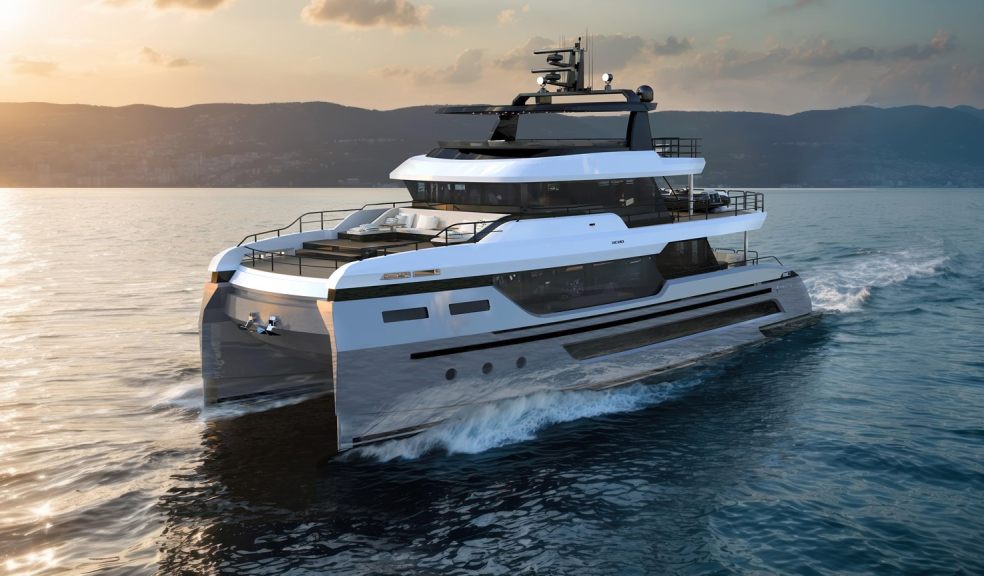
Bering: Steel Explorer Yachts for Long-Range Cruising
Built to go where the marinas stop
here is a point on any chart where the marinas thin out, the fuel docks vanish and the nearest harbour with a chandlery is a long way behind. Most yachts are not designed to go there. A Bering is. The brand builds steel-hulled explorer yachts around a single idea: that a boat should be able to cross an ocean and keep going, carrying its owners in comfort, with enough fuel, enough strength and enough redundancy to be self-sufficient for weeks at a time.
A Different Kind of Yard
Bering was founded in 2007 with the aim of producing steel, ocean-going trawler-style yachts. The first build was a fifty-foot all-metal vessel in China, and the yard completed several more there before moving production to Turkey, where it is now based. The company’s first flagship, the Bering 65, was developed from 2011 and revealed at the Monaco Yacht Show that year. The Bering 92 followed in 2018, and later the Bering 145, each a step up in scale but built to the same philosophy. Today the range stretches from around sixty feet to well over a hundred and sixty.
Why Steel, and Why Displacement
Steel is the material of choice for expedition yachts because it is tough, repairable almost anywhere in the world and forgiving of the knocks that come with remote cruising. Many explorer yachts, Bering included, pair steel hulls with lighter aluminium superstructures to keep weight and centre of gravity down. The hull form is equally deliberate. A displacement hull moves through the water rather than skimming over it, which means lower speeds, typically in the region of eight to ten knots for this type of boat, but remarkably low fuel consumption and exceptional range. The trade is time for distance, and for the right owner it is an excellent one.
Built to Class
The boats are built to the standards of recognised classification societies, including Lloyd’s Register and the American Bureau of Shipping. For a buyer that matters in practical ways: class compliance underpins insurance, resale and the ability to charter, and it means the yacht has been designed and inspected against a published set of rules rather than the builder’s own judgement.
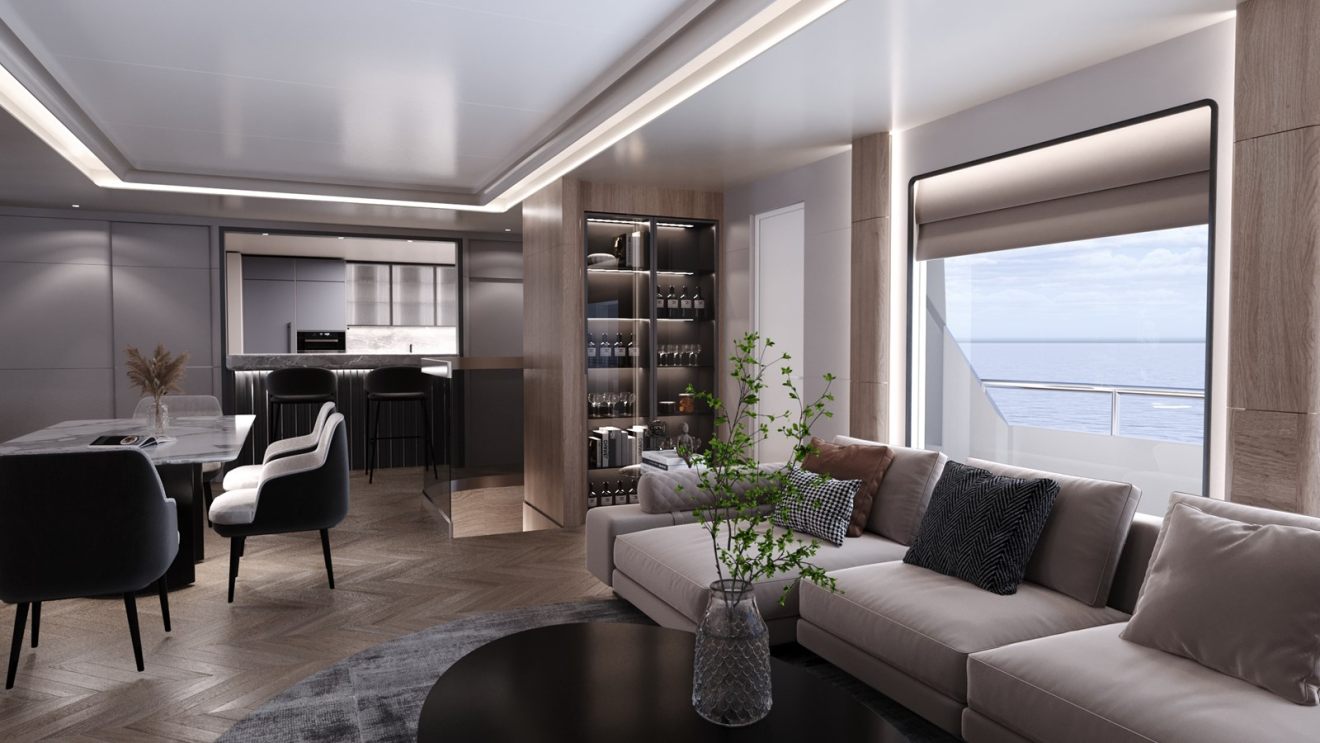
Life Aboard an Explorer
Inside, an explorer can be as comfortable as any yacht of its size. A well-planned boat of this type combines panoramic windows, a spacious saloon and cabins arranged for privacy, with a pilothouse that doubles as a social space on passage. The emphasis is on practicality: generous storage for long trips, ample tankage and a technical area that makes servicing straightforward. A boat like this is meant to be lived on for months, and the best of them are designed with that reality in mind rather than as an afterthought.
Where These Boats Go
Patagonia and the Chilean fjords. The Norwegian coast and Svalbard. The Pacific islands, reached by the long route through the Panama Canal. These are the cruising grounds an explorer yacht is built for, places where support is thin and self-sufficiency matters. Even for owners who never leave the Mediterranean, the appeal lies in the confidence the boat gives: the knowledge that if the plan changes, the yacht can handle it.
The Range, Briefly
Across the line the sizes vary widely, from the sixty-foot catamaran explorers to yachts of more than a hundred and sixty feet, and the choice between them is less about size than about intent. A smaller Bering suits a couple or a family planning extended cruises with a small crew. The larger yachts carry a full crew, a garage for tenders and toys, and the supplies to support guests far from help. In each case the underlying promise is the same: range, strength and the ability to stay out. Choose the size that matches the length of your trips rather than the size of your ambitions, and the boat will feel right for years.
What to Check Before You Buy
With a steel yacht the paint system is the first place to look, because the integrity of the coating is what keeps the hull healthy. Ask for survey reports including hull thickness measurements, and find out how the boat has been maintained between cruises. Review the machinery history carefully, especially the generators, stabilisers and the fuel and water systems that long-range cruising depends on. Where the boat has crossed oceans, ask for the logs and the refit record. And remember that an explorer’s real value lies in its capability, so make sure the equipment on board matches the cruising you intend.
If long-range cruising is the plan, begin with The Yacht Collection’s selection of Bering yachts for sale, chosen for condition and specification. The brokers at The Yacht Collection can walk you through the differences between the models and what each is designed to do.
Beyond the Guidebook
Most yachts are built to stay close to home and look good while doing it. A Bering is built for the opposite brief, and it does the job with a calm, practical confidence. For anyone whose ideal holiday starts where the guidebook ends, that is exactly the right quality.
Collaborative post.