






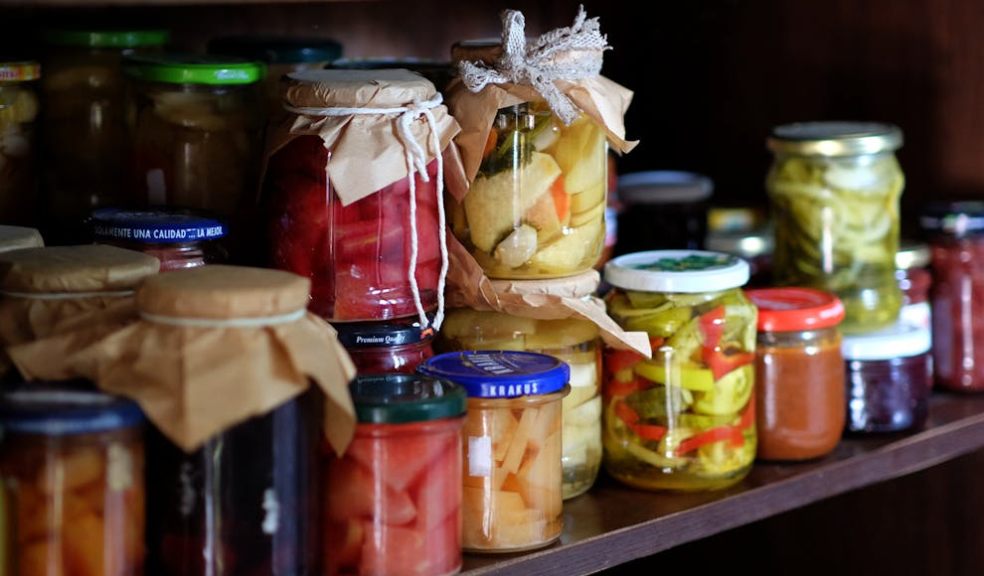
How to build a low-waste pantry
Ever opened your cupboard and found three half-used bags of pasta, a jar of lentils you forgot existed, and spices that expired last summer? Yeah. You’re not alone. A cluttered pantry often leads to wasted food, wasted money, and a very guilty conscience. The good news? A low-waste pantry is surprisingly easy to create. It’s all about making small, thoughtful changes that fit your lifestyle, so you feel in control rather than overwhelmed.
In the UK, households throw away millions of tonnes of food every year, and most of it could have been eaten. That’s not just bad for the planet, it’s quite bad for your wallet too, with the average family losing thousands of pounds annually to food waste. Building a pantry that works for you means fewer forgotten tins, less plastic packaging, and more space for the things you actuallyuse.
Start with an audit
Before you buy anything new, take stock of what you already have. Pull everything out, check expiry dates, and group similar items together so you can see what’s hiding at the back. Create a “use first” basket for anything close to its best-before date – that’s a very simple trick that saves money and prevents waste. While you’re at it, make a note of what you tend to overbuy or forget to use (rice, anyone?). This insight will help you shop smarter next time.
Next, look at how you actually store things. Clear containers are your best friend. They make it easy to see what you’ve got and stop you buying duplicates. Airtight jars keep dry goods fresh, and stackable tubs save space in even the smallest cupboards. Label everything! Because no one wants to play “guess the grain” six months from now. If you’re feeling creative, invest in reusable labels or chalk pens for a neat, stylish look that makes your pantry feel curated rather than chaotic.
Shop with intention
Impulse buys are very much the enemy of a low-waste pantry – but unfortunately, it’s what a lot of us like to do. Plan your meals before you shop and stick to your list. It’s the simplest way to avoid clutter and overspending. Buy in bulk only for staples you use regularly, and think about where your food comes from. Supporting local suppliers often means less packaging and fresher produce, which lasts longer. Even simple swaps can help cut down on waste and bring back a sense of old-fashioned convenience. Refill stations are popping up everywhere, too, and they’re brilliant for reducing packaging. Bring your own containers and stock up on essentials like rice, oats, and spices without the plastic guilt. Combine this with doorstep delivery for items like milk or bread, and you’ll slash single-use plastics without sacrificing convenience. These services often source locally, so you’re not just cutting waste, but you’re supporting farmers and small businesses too!
Rotate and Refresh
The FIFO method – First In, First Out – is a game-changer. Put new items at the back and older ones at the front so nothing gets forgotten. Every few months, do a quick pantry refresh: check what’s running low, what’s expired, and what you’ve barely touched. This habit stops you from stockpiling ingredients you’ll never use and keeps your pantry feeling organised and intentional rather than overwhelming.
Here are some other quick wins:
- Freeze leftovers before they go bad; it’s like giving food a second life.
- Turn vegetable scraps into homemade stock for soups and sauces.
- Compost anything you can’t eat, so even waste becomes something useful.
Start small
You don’t need to overhaul your entire kitchen overnight, though. Begin with one shelf or one habit. Each step brings you closer to a pantry that’s tidy, sustainable, and stress-free. And over time, these changes become second nature, and you’ll wonder how you ever lived without them!