





How to Choose Freeze-Dried Food Based on Your Activity Level
Freeze-dried food has become increasingly common in the outdoor world, but for many people it remains a confusing category. The shelves are full of different meals, calorie numbers, portion sizes and promises of performance. For someone just starting out, it is not always clear how to choose the right food for the right type of trip.
The reality is that not all freeze-dried food is designed for the same level of effort. A gentle weekend walk and a demanding mountain trek do not place the same demands on your body. Choosing the wrong type of meal can leave you under-fuelled, over-loaded, or simply disappointed at the end of the day.
Understanding effort, not just distance
When people think about outdoor food, they often focus on kilometres or days. In practice, effort matters more than distance. A short but steep trail with a heavy pack may require more energy than a long but flat walk. Wind, cold, technical terrain and mental fatigue all increase energy needs.
Freeze-dried food works best when it matches the real intensity of your activity, not just its duration.
Easy hiking: comfort first
For relaxed walks, coastal paths or weekend rambles, food plays more of a comfort role than a performance one. Energy needs are moderate, and weight savings are helpful but not critical.
In this context, freeze-dried food is mainly about simplicity. You want meals that are easy to prepare, pleasant to eat and not overly heavy on the stomach. Medium-calorie meals work well here, especially if you are also carrying snacks or stopping at cafés or campsites.
For beginners, this is often the best way to discover freeze-dried products: low pressure, low risk, and plenty of room to experiment with flavours and formats.
Committed trekking: fuel becomes strategy
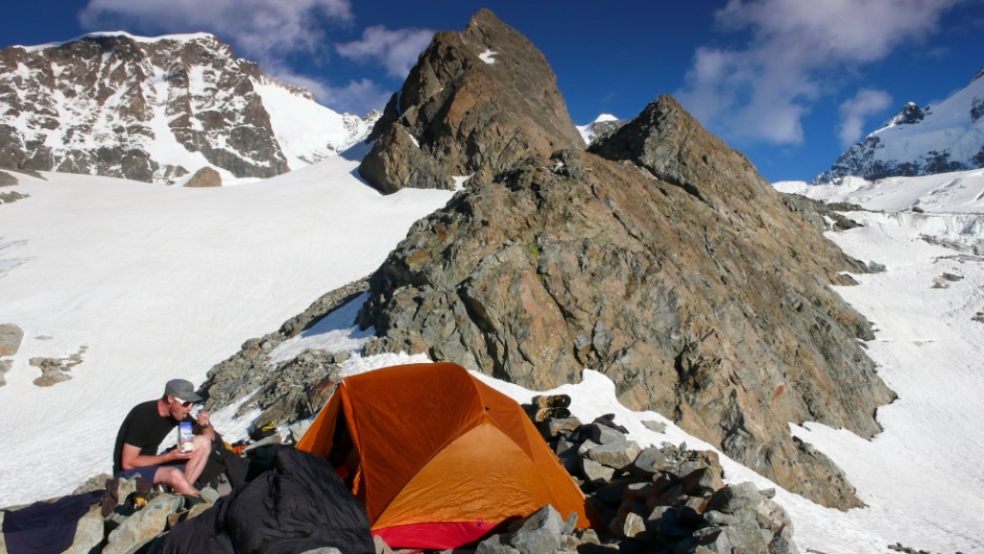
On multi-day treks, especially in mountainous or remote areas, food becomes a strategic choice. Your pack is heavier, recovery matters more, and resupply options are limited.
Here, freeze-dried products show their full value. High-calorie meals allow you to carry more energy for less weight. Balanced nutrition becomes essential, not just to avoid hunger, but to maintain physical and mental performance over several days.
At this level, choosing the right meals is not about taste alone. It is about calorie density, portion size, ease of digestion and how your body responds after long hours of effort.
Trail and fastpacking: efficiency above all
In trail running or fastpacking, time and weight are critical. Cooking is often minimal or even avoided altogether. Some freeze-dried meals can be rehydrated with cold water or eaten partially dry, which makes them suitable for short stops and quick refuelling.
Meals for this type of activity tend to be smaller but more energy-dense. The goal is not comfort, but rapid recovery and steady energy levels. Lightness, speed and simplicity come before culinary pleasure.
Bikepacking: balancing speed and practicality
Bikepacking sits somewhere between trekking and trail running. You move fast, but you still carry gear. You want food that packs well, does not require complex cooking, and can be eaten without turning camp into a kitchen.
Freeze-dried food fits well here because it is compact and predictable. After a long day on the bike, being able to prepare a full hot meal in a few minutes is both physically and mentally valuable.
Choosing food that matches your reality
A better approach is to ask simple questions. How hard will I actually work each day? How long will I be active? How much weight am I willing to carry? How easy does preparation need to be?
Answering these questions helps narrow down what really matters to you, rather than what looks impressive on a label. This is also where having access to the best selection of freeze dried food on Freezedriedandco.com makes a difference, as it allows you to compare formats, calorie levels and meal types based on real usage, not just marketing promises.
Freeze-dried meals are not a one-size-fits-all solution. But when chosen correctly, they become one of the most reliable tools for outdoor travel. They adapt to your effort, not the other way around.