






How to deal with a home emergency this winter
Winter brings its own set of challenges for homeowners. When freezing temperatures and unpredictable storms hit, you may suddenly find yourself facing a few home emergencies. But hopefully not.
Whether it’s a power outage or burst pipes, knowing what to do ahead of time can help you stay safe and keep things under control when you need it most.
Prepare your home for the worst
You can significantly reduce the risk of damage by taking a few simple steps to weatherproof your home before winter hits. Begin by making sure that your heating system is in good working order.
Have a qualified technician service your boiler each year and inspect your chimney if you have a log burner. This should help prevent issues during periods of heavy use. An annual boiler service is necessary to keep most warranties valid anyway.
For peace of mind, check the condition of your pipes, especially in unheated areas like attics or garages. Insulate exposed pipes with foam sleeves or heat tape to prevent freezing.
Knowing where your water shut-off valve is located is crucial, as it will allow you to act quickly if a pipe bursts. Another often overlooked task is to disconnect outdoor hoses and shut off the water to exterior taps. This small action can prevent damage when temperatures drop below freezing.
Prepare an emergency kit
Emergencies can disrupt your access to power, water and heat. That’s why it’s a good idea to have a well-stocked emergency kit ready. Keep your cupboards stocked with non-perishable food and water to last for at least three days, along with extra blankets and warm clothing to keep your family comfortable.
A battery-powered radio and spare mobile phone chargers could help you stay informed and connected, even when the power goes out. Don’t forget to pack a first-aid kit, a fire extinguisher, a torch and copies of important documents in waterproof containers.
Handling a power cut
When the power goes off, your first priority should be to stay warm. Close doors to conserve heat, and stuff towels under doors to block drafts. Layer up in warm clothing, and if you’re using alternative heating sources, make sure they’re placed at least three feet from anything flammable.
Always ventilate areas properly if using a fireplace to avoid carbon monoxide risks, and make sure your fire and gas alarms are working. A portable generator can be a lifesaver in extreme conditions, but make sure you run it outdoors, under cover, and well away from windows, doors or vents to avoid dangerous fumes.
What to do if pipes freeze or burst
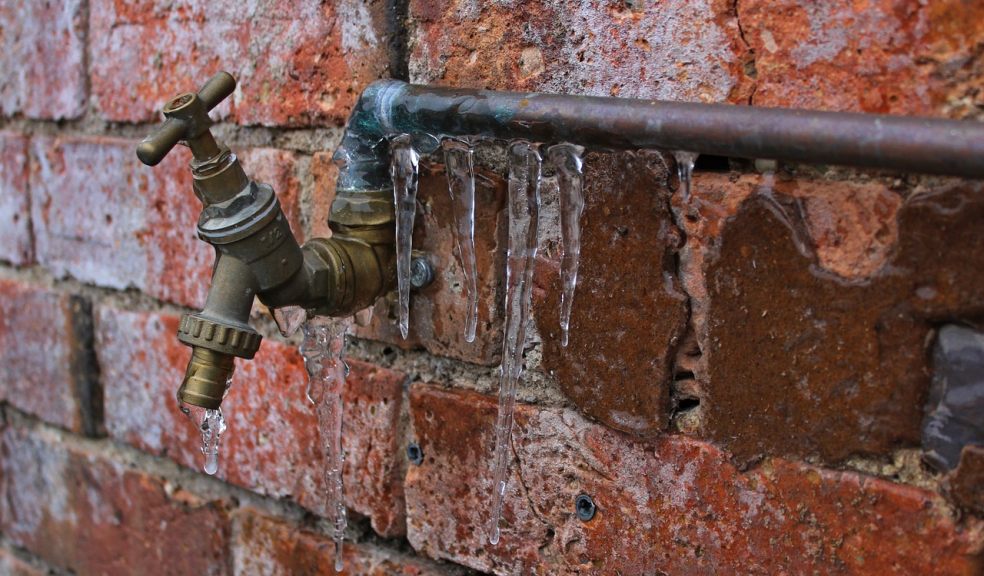
Frozen pipes can cause extensive damage, but there are things you can do to prevent and manage the situation. If a pipe bursts, act fast: turn off your main water supply to stop flooding. Call a plumber immediately to assess the damage and advise on repairs.
If the pipe has frozen but hasn’t burst yet, you can try thawing it by opening the tap and applying gentle heat. Use a hairdryer, electric heating pad or warm towels to warm up the pipe gradually. Never use an open flame, as it can cause a fire or crack the pipe.
If you find yourself in a difficult situation where additional support is needed and you don’t have the money, contact your home insurance provider. If they won’t cover the costs, you could apply for a loan to cover emergency repairs or temporary living costs until your home is back to normal. But only do this if you can afford the repayments.
Staying safe during extreme cold
Exposure to freezing temperatures can be dangerous, especially if you’re caught without power or heating. Be aware of the symptoms of hypothermia and frostbite. Shivering, confusion and slurred speech are early signs of hypothermia, while frostbite causes numbness and a white or yellowish appearance of the skin.
To reduce the risk, stay hydrated and keep your energy up by eating regular meals. Avoid alcohol, as it can lower your body temperature.