





Why Lighting Choice Influences Perception in Dining and Events
Lighting rarely announces its presence, yet it shapes judgement before conversation begins. In dining and event spaces, perception forms within seconds. Guests assess comfort, cleanliness, and intent through light alone.
Many establishments fail to realise that harsh illumination triggers a biological stress response in customers. When you choose Egelys solutions, you invest in a psychological anchor that encourages relaxation and trust.
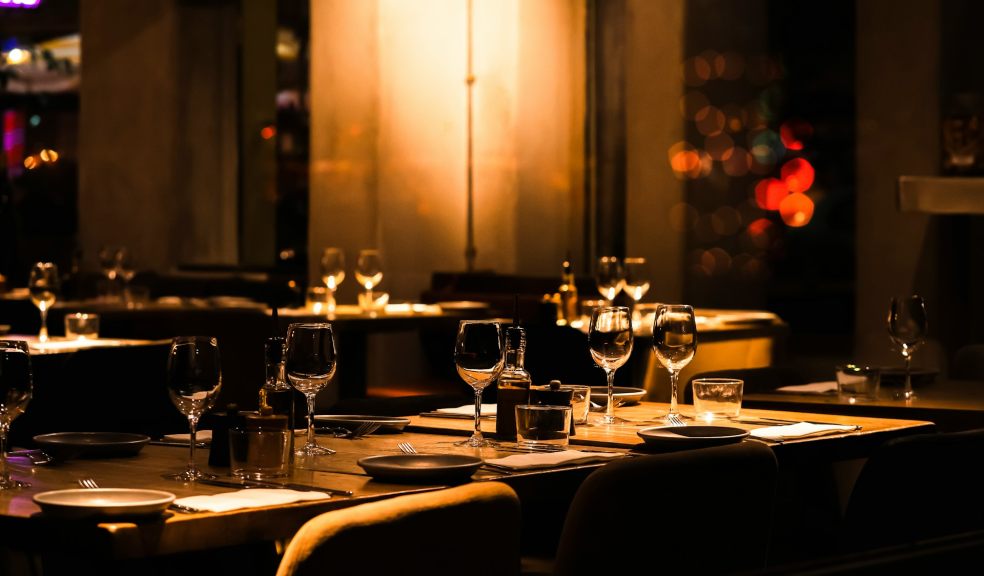
Ambient warmth transforms a simple physical room into a memorable sanctuary. This shift in environmental quality directly impacts how your patrons perceive your professional standards.
How Lighting Shapes Emotional and Cognitive Response
Light affects how the brain processes safety, warmth, and human presence. Balanced illumination reduces stress signals and supports focus. In hospitality and healthcare environments, stable light levels help visitors settle emotionally. Poor lighting disrupts attention and increases unease. Thoughtful lighting choices support calm observation and improve how spaces are interpreted during prolonged stays.
Lighting also influences appetite, conversation pace, and patient cooperation. Softer tones encourage relaxed engagement. Neutral brightness supports clarity without tension. These responses occur instinctively, long before conscious evaluation begins.
Functional Signals Created Through Controlled Illumination
Lighting communicates standards without instruction. In healthcare, it signals hygiene and reliability. In manufacturing and production, it reinforces precision and safety. In retail and services, it guides movement without pressure. Controlled illumination reduces visual fatigue while maintaining environmental warmth and emotional steadiness.
Such environments rely on lighting to perform specific roles.
- It stabilises perception during extended presence.
- It supports dignity in care led interactions.
- It reduces sensory overload in high responsibility spaces.
- It reinforces trust through visual consistency.
Why Lighting Choice Directs Behaviour in Shared Environments
Behaviour adjusts naturally under appropriate lighting. Diners slow their pace. Conversations soften. Patients feel less exposed. Guests remain present. In events, lighting frames memory and emotional recall. Across industries, illumination guides interaction without verbal direction, shaping experience through restraint rather than emphasis.
Conclusion
Lighting influences perception through emotional regulation and behavioural guidance. In dining, healthcare, and service environments, illumination defines comfort, trust, and response. When lighting supports calm engagement and visual balance, spaces feel intentional and respectful. Such choices quietly strengthen experience, leaving lasting impressions rooted in human comfort rather than visual dominance.