






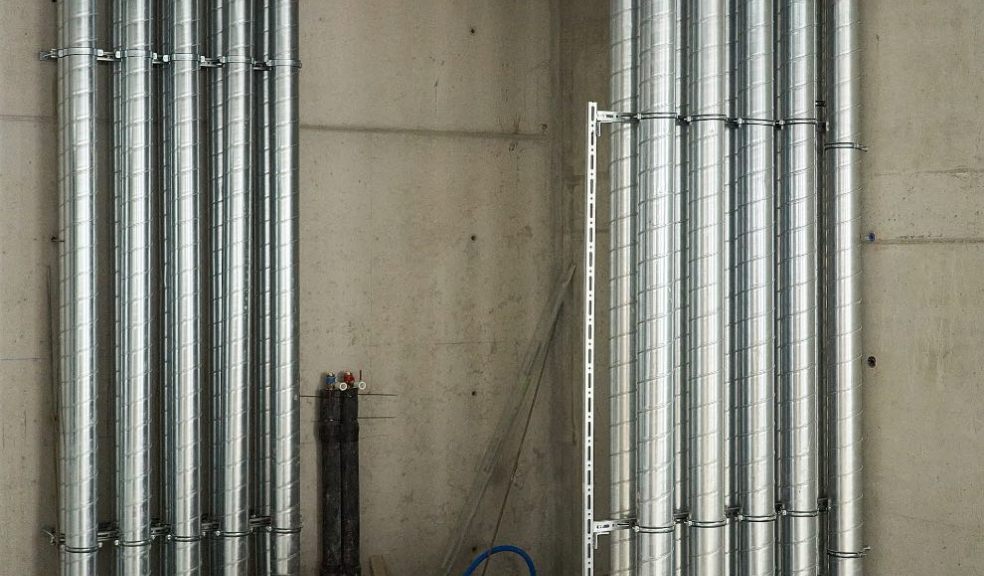
The Role of Pipework Insulation in Sustainable Building Design
Sustainable building design often highlights solar panels, green roofs, and high-performance glazing, yet major efficiency gains come from systems hidden behind walls and ceilings. Pipework insulation belongs in that category. It rarely attracts attention but plays a critical role in building performance.
If you want to design or manage buildings that waste less energy, you can’t ignore the pipe network. Hot water, chilled water, and heating systems lose efficiency when left exposed. Proper insulation prevents that. It protects energy, stabilises performance, and strengthens long-term sustainability. Let’s explore how pipework insulation supports smarter building design.
Reducing Heat Loss Across Mechanical Systems
Hot water systems move energy through long pipe networks. Without insulation, that energy escapes into surrounding spaces, and pipes lose heat before the water reaches its destination. Boilers and heaters then work harder to keep water at the required delivery temperature.
Pipe insulation slows this heat transfer by creating a barrier between the pipe surface and the surrounding air. It keeps heat where it belongs, inside the system. This simple protection can significantly reduce energy demand.
In sustainable design, every kilowatt matters. Limiting heat loss means heating systems cycle less often. Equipment runs more efficiently, consumes less fuel or electricity, and improves overall building performance over time.
Supporting Energy Efficiency Targets
Modern building standards demand strict energy performance, with regulations and certifications requiring measurable reductions in heat loss. Pipe insulation is a straightforward way to meet those targets, helping mechanical systems retain energy and operate more predictably.
Insulating hot water lines, heating pipes, and chilled water systems reduces unwanted thermal exchange, making energy use easier to model and control. Specialist contractors such as thermal-clad.co.uk show how professional installation ensures these gains are fully realised. By sealing weak points and selecting the right materials, they help building managers avoid insulation that looks adequate on paper but underperforms in practice.
This precision is crucial during certification. Green building frameworks reward strategies that cut operational energy, and pipe insulation offers a cost‑effective improvement without complex technology. Done well, it strengthens compliance while delivering lasting efficiency benefits.
Improving Temperature Stability in Water Systems
Temperature fluctuations create inefficiencies. When hot water cools inside pipes, occupants must wait longer for warm water to reach taps and showers. During that delay, water runs unnecessarily down the drain.
Insulated pipework helps maintain consistent temperatures along the entire network. Water arrives closer to its intended temperature. Users experience shorter waiting times, and the system wastes less water.
This improvement may seem small, yet it scales across large buildings. Hotels, hospitals, and apartment complexes all rely on extensive plumbing networks. Even minor efficiency gains across hundreds of outlets can produce meaningful sustainability benefits.
Preventing Condensation and Moisture Damage
Cold water pipes often attract condensation in warm environments, creating damp conditions that damage walls, ceilings, and finishes. Over time, this moisture can encourage mould growth and compromise indoor air quality.
Insulation prevents humid air from reaching cold pipe surfaces, stopping condensation before it forms. By controlling moisture, it protects the building fabric and supports healthier, more resilient spaces.
Enhancing Performance of Heating and Cooling Systems
Heating and cooling systems depend on consistent thermal control to deliver comfort across a building. Insulation ensures chilled water lines stay cold and heating pipes retain warmth, so energy reaches its destination without disruption.
By stabilising temperatures, insulation helps systems deliver predictable performance. Pumps, chillers, and boilers operate smoothly without constant adjustment, which translates into steadier indoor conditions. Occupants experience reliable heating and cooling, while managers gain confidence that the system responds as designed.
Extending the Life of Mechanical Infrastructure
Durability is central to sustainable design, and insulation helps mechanical systems last longer by reducing stress and corrosion.
- Temperature stress: Insulation moderates rapid thermal changes that cause expansion and contraction, helping pipes stay structurally sound.
- Corrosion risk: By preventing condensation and moisture buildup, insulation reduces deterioration in metal pipework and extends service life.
In effect, insulation safeguards mechanical infrastructure, reducing maintenance needs and replacement costs.
Supporting Acoustic Comfort in Buildings
Pipe networks sometimes create unwanted noise. Water movement, pressure changes, and pipe vibration can travel through structural cavities. Occupants may hear knocking or rushing sounds, especially in multi-storey buildings.
Insulation dampens some of that sound energy. The insulating material absorbs vibration and reduces noise transmission through walls and ceilings. Spaces remain quieter and more comfortable for occupants.
This acoustic benefit contributes to sustainable design in a broader sense. Buildings should support both environmental and human wellbeing. When you control mechanical noise, you create healthier indoor environments.
Choosing the Right Insulation Materials
Insulation materials differ in performance, durability, and environmental impact. Selecting the right option depends on system demands and sustainability goals.
- Mineral wool: Strong thermal resistance with added fire protection.
- Elastomeric foam: Moisture‑resistant, ideal for chilled water systems.
- Phenolic foam: High thermal efficiency in thinner profiles.
- Polyethylene: Lightweight and versatile for general use.
The right choice balances efficiency with environmental responsibility. Still, material selection is only half the equation. Insulation delivers lasting benefits only when installed correctly and inspected periodically to ensure it remains intact and effective over time.
Final Thoughts
Pipework insulation is one of those quiet essentials that supports sustainable building design. It protects thermal energy, stabilises system performance, and prevents moisture damage. At the same time, it reduces operational costs and extends the life of mechanical infrastructure.
When you design or manage buildings with sustainability in mind, every component contributes to the bigger picture. Insulated pipe networks reinforce energy efficiency, water conservation, and occupant comfort. By recognising the value of this detail, you strengthen the overall environmental performance of your building.