






What to Consider Before Installing a Wall-Mounted Heater
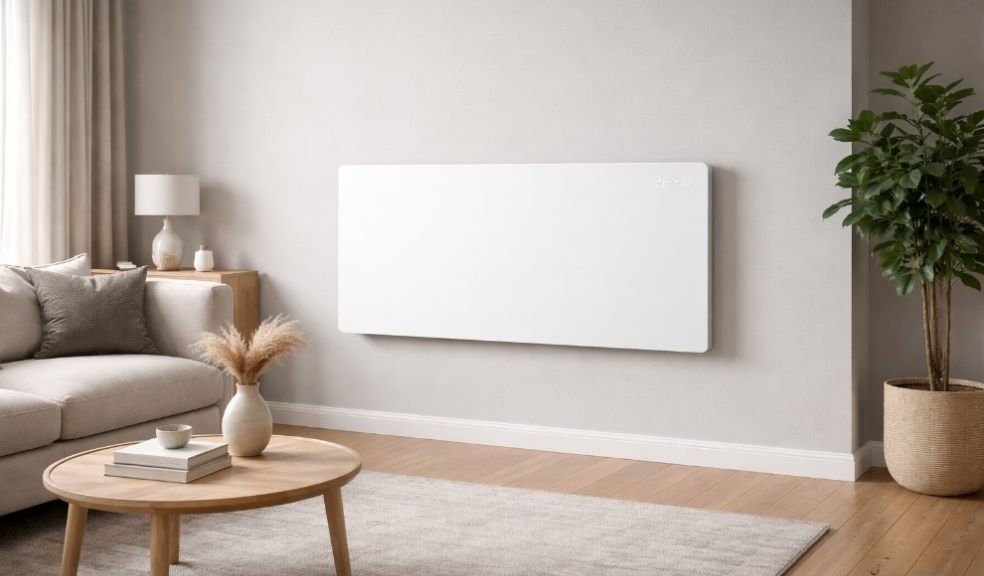
Installing a wall-mounted heater can be an effective way to keep indoor spaces warm while preserving valuable floor space. These heaters are designed to sit neatly against the wall, allowing heat to circulate through the room without taking up space needed for furniture or daily activities. Because of their compact design and efficiency, they have become a popular option in many modern homes.
However, installing one requires more than simply mounting it to the wall and turning on the power. A few important factors determine whether the heater will perform efficiently and operate safely. Homeowners should carefully evaluate electrical capacity, room size, installation location, and wall materials before beginning the process. Taking these steps early helps avoid energy waste, uneven heating, or potential safety issues later on.
Check the heating capacity for the room size
Before choosing a heater, it is important to determine how much heat the room actually requires. A heater that is too small will struggle to maintain a comfortable temperature, while an oversized unit may consume unnecessary energy and create uneven heating cycles.
Heating capacity is usually measured in watts, and the required output depends on room size, ceiling height, insulation quality, and window placement. Larger or poorly insulated spaces typically require more powerful heaters to maintain warmth during colder months.
When selecting a unit, many homeowners review guides comparing the best electric radiators for your home to understand which models provide suitable heating output for different room sizes. This helps ensure the chosen heater delivers steady warmth without excessive energy consumption.
Confirm the electrical system can support the heater
Electric wall heaters require a reliable and properly rated electrical supply. Before installation, the circuit should be checked to confirm it can handle the heater’s voltage and wattage requirements. Most residential heaters operate on a standard 230–240 volt system, which matches typical household electrical setups.
However, even with the correct voltage, the circuit breaker must also support the heater’s current demand. If multiple appliances share the same circuit, it may overload once the heater begins operating. Dedicated circuits are often recommended for larger heating units to prevent breaker trips or unstable performance.
It is also important to ensure that wiring size meets the heater’s specifications. Undersized wiring can overheat and create potential electrical hazards. Verifying these details before installation protects both the equipment and the household electrical system.
Choose the correct wall location
Where the heater is installed plays a major role in how effectively it warms the room. Wall-mounted heaters generally perform best when placed on interior walls rather than exterior ones. Exterior walls tend to lose heat faster due to outdoor temperature exposure, which can reduce heating efficiency.
Positioning the heater away from doors and windows also improves performance. Drafts from these areas can interrupt airflow and cause warm air to escape before it circulates throughout the room.
Many heaters are installed lower on the wall so that rising warm air distributes evenly across the space. This natural convection movement allows heat to spread upward, reducing cold spots near the floor and creating a more balanced indoor temperature.
Ensure safe wall materials and backing
The wall surface behind a heater must be capable of withstanding continuous exposure to heat. Some materials can gradually weaken or discolor if exposed to high temperatures for long periods.
For this reason, installers often use heat-resistant materials such as cement board, tile backing, or metal shielding behind the heater. These materials protect the wall structure and help direct heat outward into the room rather than allowing it to accumulate inside the wall.
Adding a protective backing layer is especially useful when installing heaters in older homes where wall construction materials may not have been designed for prolonged heat exposure. This extra barrier improves both durability and safety over time.
Maintain proper clearance around the heater
Adequate space around the heater allows air to circulate freely and prevents nearby materials from overheating. Furniture, curtains, and other household items should be kept at a safe distance from the unit.
Manufacturers usually provide minimum clearance recommendations for the top, bottom, and sides of the heater. Following these guidelines ensures that airflow remains unobstructed and that heat can distribute evenly throughout the room.
Proper spacing also reduces fire risk. Combustible materials placed too close to a heating element can gradually dry out and become more vulnerable to ignition. Maintaining the recommended clearances helps keep the environment safe while allowing the heater to operate efficiently.
Consider long-term maintenance and accessibility
Although wall-mounted heaters require relatively little maintenance, they should still be installed in a location that allows easy access for cleaning and inspection. Dust and debris can accumulate around vents or heating elements over time, reducing airflow and efficiency.
Periodic cleaning helps maintain steady performance and extends the lifespan of the unit. Easy access also makes it simpler to inspect wiring connections or check for signs of wear.
Planning for accessibility during installation ensures that routine maintenance can be performed without removing the heater or making structural adjustments later.
Conclusion
Installing a wall-mounted heater can improve comfort while saving valuable floor space, making it a practical heating solution for many homes. However, the success of the installation depends on careful planning and attention to safety.
Homeowners should evaluate heating capacity, electrical compatibility, wall materials, and placement before beginning the installation. These factors determine whether the heater will operate efficiently and provide consistent warmth throughout the room.
With the correct preparation and proper installation, a wall-mounted heater can deliver reliable heating performance while maintaining both safety and energy efficiency for many years.