




How the Right Roofing Upgrades Can Future-Proof Commercial Premises
A commercial roof can look fine from ground level and still be quietly holding a business back. Small defects, ageing materials and poor thermal performance do not always announce themselves with a dramatic leak. More often, they show up as higher running costs, greater weather risk and a building that is less ready for whatever comes next.
That is why future-proofing commercial premises starts at the top. The right roofing upgrades do more than solve today’s maintenance issues. They help a property stay efficient, adaptable and resilient as business needs change.
Future-proofing is really about reducing avoidable risk
For many owners and facilities managers, the real challenge is not simply keeping the roof watertight. It is making sure the building can cope with rising energy costs, tougher expectations around performance and the growing pressure that extreme weather puts on commercial property.
Roofing decisions play directly into that. A tired system may be more vulnerable to temperature swings, heavy rainfall and repeated repair cycles. By contrast, planned upgrades can improve protection, strengthen thermal performance and make budgeting more predictable. That is why businesses looking at long-term building performance often consider industrial roofing and cladding services in Bath as part of a wider asset strategy rather than a one-off repair job.
Better roof performance supports a more adaptable building
A future-ready property needs to work harder than it did a decade ago. It may need to support changing occupancy patterns, more demanding sustainability targets or additional technology on site. In many cases, the roof becomes part of that conversation.
Improving insulation levels, upgrading sheeting and reviewing the wider roof build-up can all help a building perform more consistently. That matters because thermal performance in commercial buildings is increasingly tied to long-term efficiency, occupant comfort and refurbishment planning.
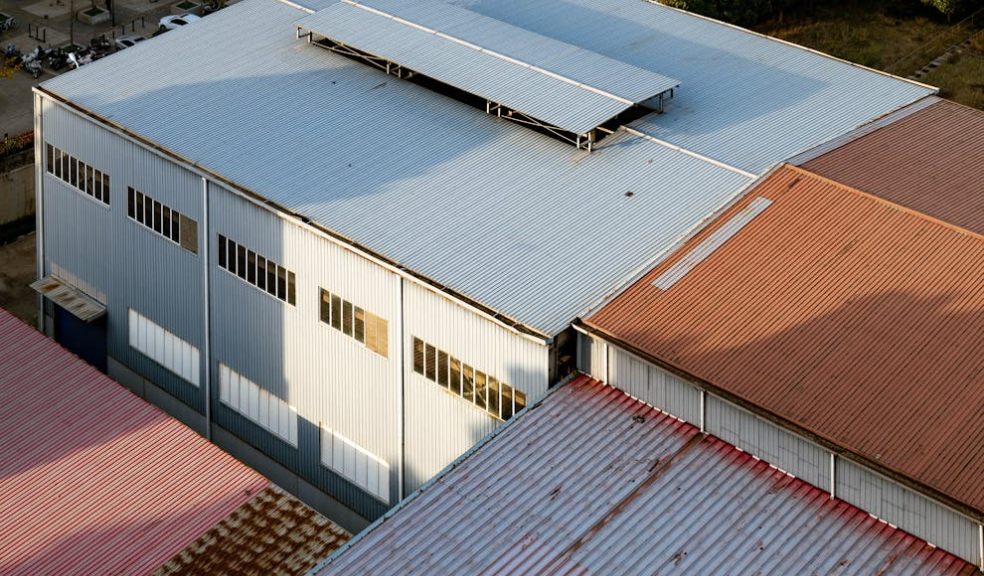
Over cladding can also be part of the answer. For some premises, it offers a way to improve protection and appearance while avoiding the disruption that can come with a full strip and replacement. When handled properly, it can extend the useful life of the existing structure and make the property better suited to future demands.
The roof may also need to support new uses
More businesses are thinking beyond the roof as a basic covering. They are considering whether it may need to accommodate solar PV, upgraded drainage strategies or additional resilience measures over time. That makes early planning much more valuable.
A roof that is already close to the end of its life can limit those options. A stronger, better-specified system gives owners more flexibility, especially as roof-mounted solar panels and ongoing maintenance risks become a bigger part of commercial property planning.
Why timing matters as much as specification
One of the biggest mistakes businesses make is waiting until the roof forces the decision. Emergency work is usually more disruptive, harder to phase and less aligned with wider investment plans. Planned upgrades, on the other hand, give you room to consider programme, access, material choice and the likely needs of the site over the next several years.
That does not mean every building needs a full overhaul. It means every commercial property benefits from a clear view of where its roof stands now and what it may be expected to do next.
Looking ahead starts with the right questions
If you want to future-proof commercial premises, the roof is one of the best places to start. The right upgrade can reduce uncertainty, support better performance and leave the building ready for change instead of vulnerable to it. In a market where resilience matters more every year, that is a practical advantage worth building in early.