






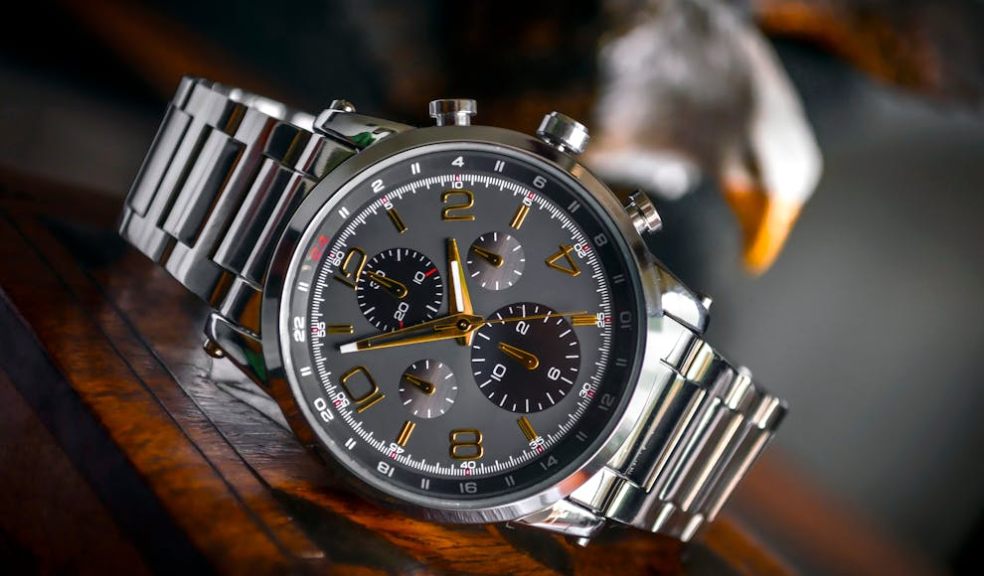
Why Luxury Watches Are Moving Beyond Collector Culture
For a long time, luxury watches sat in a fairly predictable space. They were associated with collectors, enthusiasts, or people deep into mechanical details that most buyers never really cared about. That has started to change.
Watches have become less about status and more about personal style. Not in the trend-driven sense, but as part of a broader shift towards buying fewer things that last longer and actually mean something to the person wearing them.
That change is one of the reasons the pre-owned market has grown so quickly over the last few years.
The End of Disposable Luxury
Fashion moves quickly now. Trends barely survive a season before something else replaces them. In response, more people are starting to step away from constant consumption and towards pieces they can genuinely live with long term.
A good watch fits naturally into that mindset.
Unlike most accessories, it is built to last. It ages with the wearer, picks up memories through travel and everyday life, and often becomes more personal over time rather than less.
That is a very different relationship to the kind of throwaway consumption that dominates most modern retail.
Why Certain Brands Still Stand Out
Part of the appeal comes from identity. The strongest watch brands have a clear sense of purpose that goes beyond marketing.
Breitling still carries strong links to aviation and travel, which gives models like the Navitimer a sense of character that feels authentic rather than manufactured. There is a reason so many buyers continue to gravitate towards older Breitling pieces instead of just chasing the newest release. The appeal is already established.
TAG Heuer occupies a different space entirely. It has always balanced sport and style well, which is probably why it continues to attract buyers outside traditional watch collecting circles. Models like the TAG Heuer Carrera still feel modern without trying too hard.
There is also something reassuring about brands that have remained recognisable across decades rather than constantly reinventing themselves. Omega is a good example of that. Whether it is the Seamaster or Speedmaster, the designs still feel connected to their own history without becoming trapped by it.
Buying Better, Not Just Buying More
The rise of pre-owned watches also reflects a wider change in how people think about luxury purchases generally.
Newness matters less than it used to. Buyers are more comfortable purchasing items with history behind them, particularly when quality and longevity are part of the appeal. In many ways, that makes luxury watches one of the more sensible areas of modern fashion. They can be serviced, repaired, and worn for decades without losing their purpose.
That is difficult to say about most things people buy today.
Final Thought
Luxury watches are no longer reserved for hardcore collectors. They have become part of a broader move towards ownership that feels more personal and less disposable.
In a culture obsessed with constant replacement, there is something refreshing about buying a piece designed to stay with you for years rather than months.
Promotional content