






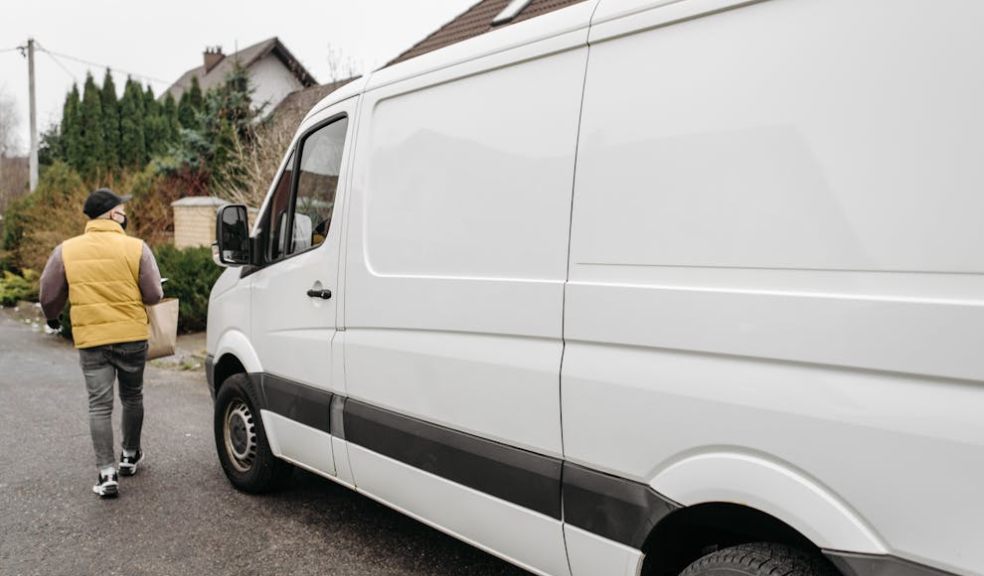
Managing Multiple Vans Without Losing Track of Daily Routes
Running several delivery vans sounds simple until the day starts moving. Drivers head in different directions. Schedules shift by mid morning. One missed update turns into wasted fuel, late stops, and customers asking questions the office cannot answer yet.
Fleet tracking systems give managers a central view of the day without relying on constant calls or driver check-ins. The tool helps. The routine around it matters more.
Why Do Multi-Van Operations Become Chaotic So Quickly?
Three vans is manageable. Five becomes complicated. Eight without a system is a daily scramble. Each route carries its own variables: road conditions, stop sequences, loading times that run long. Dispatchers without a fleet tracker can spend too much of the day confirming locations. That is office time spent chasing facts that should already be visible.
Communication gaps compound the problem. A driver misses a check-in. Someone calls to find out why. Two more calls follow. Another stop falls behind in the meantime and nobody has flagged it. Paper logs and phone updates cannot keep pace with a multi-van operation once it scales past a handful of vehicles. The information always arrives too late to act on.
How Does a Fleet Tracking System Change Daily Operations?
For businesses managing transport fleet tracking across multiple vans, a central view of vehicle location, stop progress, and delays can make the difference between a quick route change and a missed delivery. The value is not watching dots move on a map. It is knowing which decision needs making before the customer starts chasing.
When something goes wrong, the response time changes. A delay appears on screen. Office staff suggest a route adjustment and send it directly. The day stops running ten minutes behind itself.
The useful part often shows up after a week or two. Which routes consistently run long, which stops generate delays, where fuel consumption spikes. A fleet tracker is not only a live monitoring tool. It builds a record that shows where the operation needs adjustment before the same problem repeats.
What Should Daily Route Protocols Look Like?
Good planning reduces confusion before vans leave the yard. Detailed route sheets for every driver, with stop sequences and timing, cut down on instant decisions that slow things down. Area-based assignments add another layer of efficiency. Drivers covering the same zones repeatedly build local knowledge. Fewer wrong turns. Faster stop completion. Less time lost to unfamiliar roads.
Flexible route plans matter too. A schedule with no buffer for traffic, loading delays, and unexpected events breaks the moment one stop runs over. Short time gaps after each stop absorb the small delays that happen daily without cascading into larger ones. That buffer is not slack. It is what keeps the rest of the day on schedule.
These protocols set the plan. The morning briefing is what puts it in motion.
What Should a Morning Briefing Cover?
Before drivers leave, a short meeting covers the day's route, any known complications, and vehicle checks. Drivers who leave with a clear plan and confirmed expectations make fewer calls back to the office during the day. Across a full operation, those saved calls turn into real hours by the end of the week.
Planned check-in windows during the day let managers catch problems early without constant contact. Set times for updates keep information current. Between those windows, the fleet tracking system covers the gaps so managers are not waiting in the dark between scheduled calls.
How Do You Maintain Live Visibility Without Micromanaging Drivers?
GPS position data for every van sits on the dashboard without anyone having to report in. Which vehicles are moving. Which are stationary. Which are falling behind schedule. When a delay appears, the response happens from the office without interrupting the driver mid-delivery.
That cuts a lot of internal back and forth. Customer calls drop because updates are available before the question gets asked. Managers spend less time asking where things are and more time fixing what is slowing the day down.
Drivers need to know what the data is for. A fleet tracker used to spot route problems and reduce driver pressure is received differently than one used to monitor every stop for compliance. When drivers understand the data is there to solve problems rather than build a case, the system stops being a point of friction. Both sides start using it.
How Should Daily Performance Reviews Work?
Daily closing checks do not need to take long. Mileage and fuel rates give managers a useful baseline, but the real pattern shows up inside the operation itself. Fuel use against distance. Stop completion times. These data points reveal problems that are not visible in the moment.
Comparing actual routes with planned fleet tracking system data shows where detours happened, where idle time built up, and where stop sequences could be reordered. Small adjustments based on that data prevent the same inefficiencies from repeating the following week. Recurring problems show up in the data before they become expensive. The daily review is what surfaces them early enough to act.
Operations that build the same habit each day tend to settle faster. Plan, track, review, adjust. The fleet tracker generates the data. The daily review turns that data into a tighter operation the following morning.
Managing several vans gets harder when the day depends on phone calls, guesswork, and late updates. A clear routine gives the operation something steadier to run on. Planned routes, live visibility, driver trust, and a short review before the next day starts. The tracking system provides the information, but the real improvement comes from using it the same way every day.