




Colours and Materials That Are Shaping Home Décor Trends
Home décor trends are evolving toward spaces that feel warmer, more natural, and more personal. Today, homeowners are looking for interiors that combine comfort, style, and functionality without making rooms feel overly decorated. Instead of chasing short-lived trends, many people are choosing colors and materials that create a timeless and welcoming atmosphere.
One of the biggest changes in interior design is the growing preference for natural inspiration. Earthy shades, organic textures, and durable materials are becoming essential in modern homes. This shift reflects a broader desire to create interiors that feel calm, balanced, and closely connected to nature.
Window treatments are also playing a more important role in the overall look of a room, and many homeowners are choosing roman blinds as a stylish and practical solution. Their elegant structure, soft folds, and versatile designs make them a popular choice for spaces that need both light control and a refined decorative touch. They work especially well in interiors that focus on texture, softness, and understated sophistication.
In this article, we will explore the colors and materials that are currently shaping home décor trends and explain how they can transform any living space into a modern, inviting, and visually cohesive home.
Earthy Colors Are Dominating Modern Interiors
One of the strongest home décor trends today is the rise of earthy color palettes. Tones inspired by nature are replacing colder and more artificial-looking shades. Colors such as sand, terracotta, clay, warm beige, taupe, and soft olive are being used to create interiors that feel grounded and relaxing.
These shades work particularly well because they add warmth without overwhelming a room. In living rooms, earthy tones can make the space feel cozy and sophisticated at the same time. In bedrooms, they create a restful atmosphere that encourages relaxation. Even kitchens are embracing these colors through painted cabinets, decorative accessories, and wall finishes.
Earthy colors are also highly versatile. They pair beautifully with a wide range of materials, including wood, linen, stone, and ceramic. This makes them ideal for homeowners who want a cohesive look throughout the house.
Warm Neutrals Are Replacing Cool Greys
For years, cool grey dominated interior design, but current home décor trends show a clear move toward warmer neutrals. Shades like cream, ivory, greige, mushroom, and caramel are now preferred because they feel softer and more inviting.
Warm neutrals create a perfect backdrop for layering textures and accent colors. They can make smaller rooms appear brighter while still maintaining a sense of warmth. Unlike stark white or cold grey, these tones have a more organic quality that suits both modern and traditional homes.
Another advantage of warm neutrals is their timeless appeal. They do not go out of style quickly, which makes them an excellent choice for walls, sofas, rugs, and larger furniture pieces. When combined with natural materials, they help create interiors that feel elegant, effortless, and balanced.
Green Continues to Be a Key Trend in Home Décor
Green remains one of the most influential colors in interior design. From muted sage to deeper forest tones, green is being used to bring freshness, serenity, and depth into the home. Its connection to nature makes it especially appealing in spaces designed for comfort and wellbeing.
Softer greens are often used in bedrooms, bathrooms, and home offices because they create a peaceful atmosphere. Darker greens, on the other hand, can add richness and character to dining rooms, living areas, or statement walls. Green also works beautifully alongside warm neutrals, wood finishes, and brass accents.
The popularity of green shows that homeowners want colors that feel soothing rather than overwhelming. It is a shade that brings personality into a room while still remaining elegant and easy to combine with other décor elements.
Natural Wood Is More Popular Than Ever
When it comes to materials, natural wood continues to be one of the most important elements in modern home décor. Light oak, walnut, ash, and reclaimed wood are all widely used in furniture, flooring, wall details, and decorative accessories.
Wood introduces warmth, texture, and authenticity into a space. It softens interiors and helps balance smoother surfaces such as painted walls, glass, or metal. Light woods are especially popular in contemporary interiors because they create an airy and relaxed look, while darker woods add depth and sophistication.
The appeal of wood also lies in its versatility. It can work in minimalist homes, rustic interiors, Scandinavian-inspired spaces, or more classic settings. Whether used in a dining table, shelving, or ceiling details, wood adds a timeless quality that supports many of today’s leading décor trends.
Stone and Ceramics Add Texture and Elegance
Natural stone and handcrafted ceramics are also shaping modern interiors in a big way. Materials such as marble, travertine, limestone, and terrazzo are increasingly visible not only in kitchens and bathrooms but also in furniture and decorative details.
Stone adds character because every surface has unique variations in color and pattern. This makes it a great choice for homeowners who want to create interiors with a more authentic and luxurious feel. Coffee tables, countertops, side tables, and vases made from stone are especially popular.
Ceramics are equally important because they introduce artisanal charm into the home. Handmade bowls, textured lamps, clay vases, and ceramic tiles all help create a more personal and curated look. These materials fit perfectly into the broader trend toward homes that feel lived-in, thoughtful, and full of natural beauty.
Soft and Textured Fabrics Are Essential
Texture plays a crucial role in modern home décor, and fabrics are one of the easiest ways to introduce it. Linen, bouclé, cotton, wool, and velvet are all being used to make interiors feel softer and more inviting.
Linen is particularly popular because of its relaxed and natural appearance. It is commonly used for curtains, cushion covers, and upholstery, especially in rooms designed around neutral color palettes. Bouclé, with its soft and tactile finish, remains a favorite for armchairs and accent furniture. Wool and cotton also continue to be key materials for rugs, throws, and bedding.
These fabrics do more than add comfort. They create visual depth and prevent a room from feeling flat or sterile. In homes where the color palette is subtle, texture becomes even more important because it adds richness without relying on bold patterns or bright tones.
Rattan and Woven Materials Bring a Natural Touch
Another major trend in home décor is the use of rattan, cane, jute, and other woven materials. These elements bring an organic and relaxed feel to interiors, making them especially popular in living rooms, bedrooms, and outdoor-inspired spaces.
Woven materials are often used in lighting, chairs, baskets, mirrors, and decorative accents. Their appeal lies in their ability to add texture while keeping the look light and natural. They work especially well with earthy tones, wooden furniture, and soft textiles.
Because they are visually light, woven materials are ideal for balancing heavier elements such as stone or dark wood. They also reinforce the overall trend toward interiors inspired by nature and simplicity.
Warm Metallic Accents Complete the Look
Although natural materials dominate, metallic finishes still have an important place in home décor trends. The difference is that warm metallics are now preferred over colder finishes. Brass, bronze, and brushed gold are replacing shiny chrome in many interiors.
These finishes are commonly used for cabinet handles, taps, mirrors, light fixtures, and decorative accessories. They add subtle contrast and a sense of refinement without disrupting the softness of the overall design. Warm metallics pair especially well with green, beige, terracotta, and wooden finishes.
Used in moderation, metal accents can elevate a room and make it feel more polished. They are particularly effective when layered with natural textures to create a balanced and sophisticated look.
Sustainable Materials Are Influencing Design Choices
Sustainability is becoming a major factor in the way people decorate their homes. More homeowners are paying attention to the origin, durability, and environmental impact of the materials they choose. As a result, reclaimed wood, recycled materials, organic fabrics, and responsibly sourced furniture are becoming increasingly desirable.
This trend is not only about ethics but also about quality. People are moving away from disposable décor and investing in pieces that last longer and age beautifully. Sustainable choices often bring more texture, individuality, and craftsmanship into the home, which fits perfectly with the current preference for authentic interiors.
A home designed with sustainable materials tends to feel more intentional and personal. It reflects a lifestyle that values both beauty and responsibility.
How to Combine Trending Colors and Materials in Your Home
The key to using these home décor trends successfully is balance. Rather than introducing too many colors or materials at once, it is better to start with a neutral base and then layer in natural textures and warmer tones.
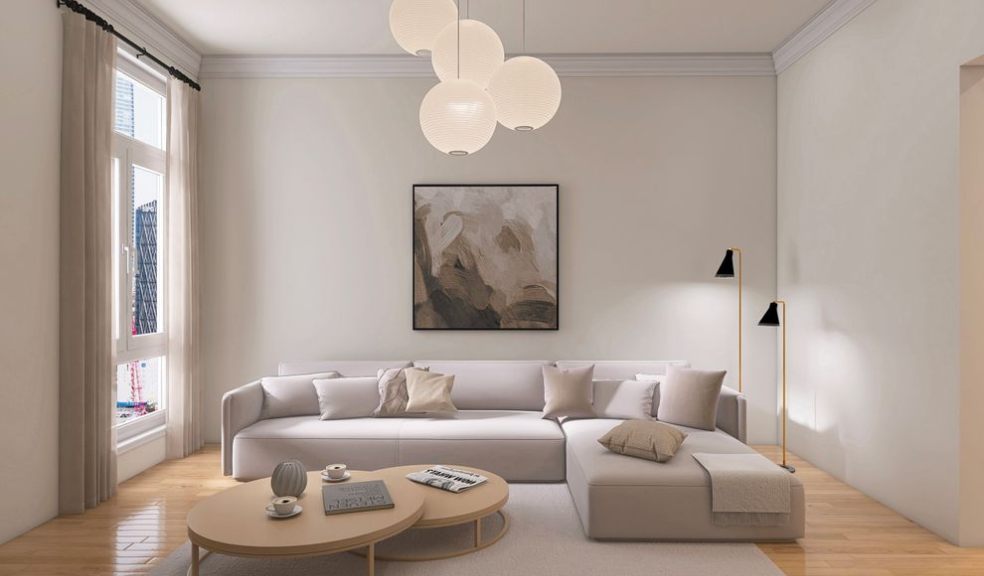
For example, a living room could combine cream walls, a beige sofa, a wooden coffee table, linen curtains, and a few ceramic accessories. A bedroom might feature sage green accents, soft cotton bedding, oak furniture, and a woven light fixture. These combinations feel stylish without looking forced.
The most effective interiors are those where colors and materials complement each other naturally. When done well, this approach creates a home that feels coherent, comfortable, and visually appealing.
Conclusion
The colors and materials shaping home décor trends today all point in the same direction: warmth, authenticity, and connection to nature. Earthy tones, warm neutrals, green accents, natural wood, stone, textured fabrics, and sustainable materials are helping homeowners create interiors that feel both modern and timeless.
These trends are not just about appearance. They reflect a deeper desire for homes that support comfort, wellbeing, and everyday living. By choosing the right combination of colors and materials, it is possible to design spaces that feel elegant, welcoming, and full of personality.
If you want your home to feel current without losing timeless appeal, focusing on these colors and materials is one of the best ways to achieve it.