






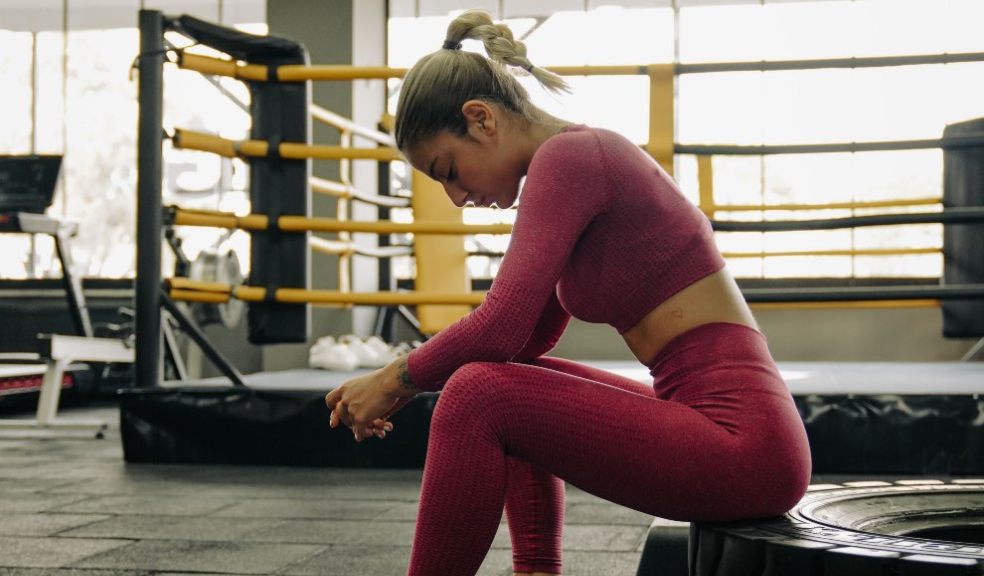
The Rise of Athleisure: Why Sportswear Has Become Everyday Fashion
Fashion has quietly but mightily changed over the last 10 years. Sportswear, clothing that was once reserved for gyms, running tracks and training grounds, is now a staple in weekday wardrobes around the globe. Beyond a simple trend, this transition reflects how diverse lifestyle, work culture and comfort and identity are now intertwined in everyday life as athleisure.
Essentially, athleisure is somewhere between functional sports performance and casual everyday wear, as it borrows ideas from both of these styles. Just commuting, working from anywhere, meeting friends or going to informal jobs more people want the 'regular outfits' that can be flexible with several environments without changing so many times.
Athleisure: What it is and why does it matter?
Athleisure is sportswear designed for performance, with qualities such as stretch, breathability and durability and styled for wear-as-basic instead of sport. Athleisure, in contrast to conventional sportswear which is solely manufactured for workout or athletic activity, is designed to fluidly transition from one environment to another.
Regular athleisure items make up a collection of joggers, hoodies, Leggings, sneakers,performance tops,and light weight jackets. Their uniqueness extends beyond their appearance, however; it lies in their versatility. Designed to aid movement while keeping a casual social profile, these are engineered garments.
Routine is no longer static; as a result, clothing has become more functional. This allows people to seamlessly transition from a morning walk to a meeting at the cafe, then head back home or even travel all within the same outfit.
Short Content: A fashionable and comfortable solution: athleisure became an international phenomenon.
The transition to athleisure was not instant. It has evolved alongside significant lifestyle changes.
These increased frequencies are mainly due to an increasing health and wellness trend. Around the 2000s the rise in fitness culture going mainstream drove individuals to spend on comfy, performance clothing that could be worn outside of the gym. Balancing this out were yoga culture, running communities and fitness influencers generating conversation around athletic attire as pieces of daywear.
The trend was further boosted by the shift to flexible working environments later on. The pandemic also offered remote work and hybrid office models that decreased demands for formal dressing, opening the door to asymmetric clothing driven by comfort and which acquired acceptance in professional and social settings.
This shift was further propelled by social media. Celebrities and influencers were seen in sport-inspired, casual looks on the regular, helping to normalize how wearing formal clothing or structured pieces isn't required for a stylish look anymore.
Modern Sportswear: The Role of Technology
The development of textiles and fabrics is another major reason for the increased prevalence of athleisure. The modern sport is no longer only in look but use technical innovations that allow for optimum comfort and performance.
Moisture-wicking fabrics regulate body temperature, stretchable materials enhance the range of motion, and lightweight weaves provide comfort during long durations of use. Athletic wear has been perfected to appeal not only to the athlete but also the everyday consumer who appreciates well-crafted utility.
Consequently, the line between sportswear and casual wear has become more blurred than ever. These days, you can find performance-fueled outfits dug in airports, workplaces and social layouts.
Reason for Choosing Athleisure in Daily Life
We have seen how human behavior is changing and athleisure has great relevance here. However, modern life is quicker-paced and more mobile, less predictable than the past. People used to opt for wider wear including outfits specially made for specific tasks, but they now like clothes which are versatile and serve many occasions.
This is primarily due to comfort. Wearing breathable, flexible fabrics that do not obstruct movement and feel like a soft caress against the skin is naturally going to enhance comfort levels through an average day. Simultaneously, athleisure gives the wearer a feeling of readiness-walk, plane, or light exercise already dressed for it.
There is also a psychological aspect. Based on studies in behavioral science, clothing is capable of changing mindset and productivity. Clothing that is designed for movement, and performance-oriented often tends to inspire more movement first thing in the morning with a bit more pizazz.
Athleisure as a Cultural Identity
Athleisure has also grown as a cultural signifier beyond functionality. It is representative of a healthy, easy and flexible lifestyle. In many urban centers sporty apparel is newly known as an active style rather than an athletic one.
This trend (and the rising cost of materials) has drawn a number of brands to rethink how they design collections, fashion experts note. There was a major paradigm shift from seasonal fashion cycles to wardrobe staples that are versatile enough to be worn repeatedly and in a variety of contexts. Which has pushed towards a quicker consumption style where consumers are buying less but more effective pieces.
Even in the athletic apparel realm, companies like USportsGear have helped this transformation by developing functional design meant to connect high-intensity performance with common use, demonstrating that sportswear truly is a part of contemporary lifestyle culture.
The Trend Is itself: Challenges and Criticism
As popular as athleisure is, it also has its detractors. Others complain that the rise of casual dress has gone too far and they believe many occasions in which it was important to be well dressed are no more. Some worry about sustainability, especially the widespread adoption of synthetics in performance apparel.
Nevertheless, some companies are staying on top of the trends with new biodegradable materials and improved manufacturing processes to make sliders ecologically friendly while still being comforting and stylish
The Future of Athleisure
Moving forward, athleisure will continue to be woven into the fabric of daily life. The next generation of clothing will likely be driven by advances in smart textiles, sustainable fabrics and wearable technology. For instance, responsive materials (smart fabrics) may allow garments to respond to temperature change or movement monitoring or movement tracking and so on.
While athleisure is not going out of style any time soon, it is becoming more than a trend and instead a permanent developmental mindset in the way we think about clothing. One embodies a vision of fashion not just as an aesthetic but also an evolution, designed for function, versatility and wellbeing.
Final Thoughts
Athleisure has become more than just a fashion trend; it is indicative of the evolution of modern life. Alright, so as people place more value on comfort, flexibility and practicality clothing has evolved. Athleisure is a fashion trend that has proved there are no long term divisions anymore in fashion and lifestyle.
In this new era, dressing is not just about looking good, it is about living better.